


Encourage Arching Stems
Position the pot on a plant stand or shelf edge so stems can drape freely, which reduces mechanical damage at the crown and showcases the flowers more effectively when caring for crenate orchid cactus.

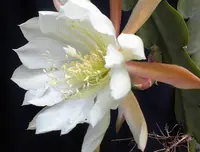
The crenate orchid cactus, Disocactus crenatus, is an epiphytic cactus native to tropical forests of Mexico and Central America. It naturally grows on trees rather than in desert soil. The plant forms flattened, scalloped stems that arch or trail, creating a cascading habit suited to hanging baskets or high shelves. In the right conditions, it produces large, showy funnel-shaped flowers in spring. Disocactus crenatus is considered moderately easy if its forest origins are respected. It prefers bright, indirect light, airy but moisture-retentive soil, and regular watering with good drainage. Understanding these natural conditions helps clarify how to care for crenate orchid cactus at home.

Care Difficulty
Moderate Care

Light Preference
Bright Indirect Light

Water Requirements
Moderate Water

Temperature Preference
Tropical / Frost Sensitive

Hardiness Zone
10–11

Soil Texture
Sandy, Loamy, Organic-rich

Soil pH
Acidic (5.5–6.5), Slightly acidic (6.5–7.0)

Soil Drainage
Well-drained

Fertilization
Light (every 4–6 weeks)
Scan your plant to receive care tips personalized for your specific plant
Available on iOS and Android
This epiphytic cactus prefers bright, indirect light that mimics a bright forest canopy edge.
This species prefers evenly moist but never waterlogged conditions, with brief drying between waterings.
This cactus grows best in mild, stable temperatures without frost exposure.
This epiphytic cactus prefers moderate indoor humidity and reacts if air is very dry.
This species needs a loose, airy, fast-draining mix closer to epiphytic orchid media than desert cactus soil.
This plant is very suitable for container growing, especially in hanging baskets or stable pots on shelves.
This epiphytic cactus benefits from modest feeding to support flowering while avoiding salt buildup in the potting mix.
Pruning helps maintain a tidy shape and encourages strong, flower-bearing stems in Disocactus crenatus.
This cactus prefers slightly snug containers and only needs repotting when growth or root health is affected.
This species is commonly propagated from stem cuttings, which root reliably under warm, slightly moist conditions.
This subtropical cactus is frost sensitive and needs mild, dry, and bright conditions in winter.

Plant Health Check
Not sure what's wrong with your plant? Check your plant's health inside the app.
In nature this species often grows as an epiphyte or lithophyte, rooting into moss and leaf litter on cliffs and trees rather than in deep soil, which helps explain its shallow, fine root system in cultivation.
The large, showy flowers are adapted for pollination by nocturnal or crepuscular visitors, with pale, luminous inner petals and a strong tubular shape that help guide pollinators in low light.
Many plants sold under this name are actually complex hybrids derived from Disocactus crenatus and related species, developed by breeders over more than a century to produce a wide range of flower colors and forms.

The wild form of this species typically has red to scarlet flowers, and the now-common white and pink large-flowered forms only became widespread after extensive European breeding programs in the 19th and early 20th centuries, which made it one of the foundational parents of modern orchid cactus hybrids.
Lack of blooms usually comes from insufficient light, too-warm winter rest, or heavy feeding with high-nitrogen fertilizer. Provide bright, indirect light, a slightly cooler, drier winter period, and use a balanced or bloom-boosting fertilizer sparingly.
Keep your plants happy and healthy with plant identification, disease detection, and easy care guidance.

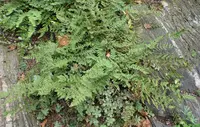
hairy lip fern
Hemionitis lanosa
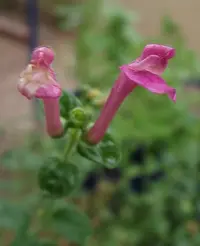
Cherry Skullcap
Scutellaria suffrutescens
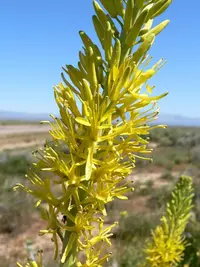
desert princesplume
Stanleya pinnata
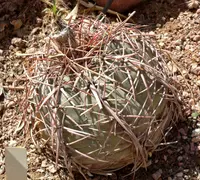
turk's head cactus
Echinocactus horizonthalonius
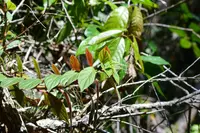
Columnea schiedeana
Columnea schiedeana
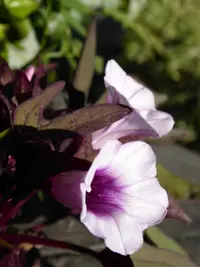
Ornamental Sweet Potato
Ipomoea batatas 'Blackie'

Acanthocereus oaxacensis
Acanthocereus oaxacensis
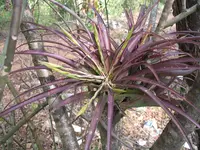
Tillandsia flabellata
Tillandsia flabellata