Kohleria tubiflora Care

Kohleria tubiflora

About Kohleria tubiflora

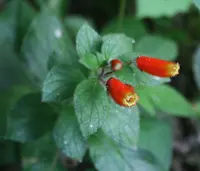
Kohleria tubiflora is a small, tuberous perennial from the Gesneriaceae family, related to African violets. It is often grown as a compact indoor or windowsill plant. Slender, arching stems carry narrow, softly hairy leaves and striking tubular orange to red flowers, which appear in succession and can give a long blooming season. In good conditions it forms a dense, attractive clump. This species comes from Central and South America, where it grows in warm, humid, partially shaded habitats. Its preference for stable warmth, bright but indirect light, and evenly moist, airy soil makes care for Kohleria tubiflora manageable for growers who can avoid cold drafts and overwatering.

Main Plant Requirements

Care Difficulty

Moderate Care

Light Preference

Bright Indirect Light

Water Requirements

Moderate Water

Temperature Preference

Tropical / Frost Sensitive

Hardiness Zone

11–12

Soil Texture

Loamy, Peaty, Organic-rich

Soil pH

Acidic (5.5–6.5), Slightly acidic (6.5–7.0)

Soil Drainage

Moist but well-drained

Fertilization

Light (every 4–6 weeks)

Get Personalized Care Plan

Scan your plant to receive care tips personalized for your specific plant

Available on iOS and Android

How to Care for the Kohleria tubiflora

This species prefers bright, indirect light with some gentle direct sun for best flowering.

  • Provide 4–6 hours of bright, filtered light daily, such as near an east- or north-facing window or under light shade outdoors.
  • Allow soft morning sun but protect from harsh midday and afternoon sun, which can scorch leaves and fade Kohleria tubiflora blooms.
  • In winter, move plants closer to a bright window or supplement with grow lights to compensate for shorter days and weaker sun.

Watering should keep the root zone lightly moist but never waterlogged.

  • Rewater when the top 2–3 cm of soil feels dry, using enough water so some drains freely from the pot or through the bed profile.
  • During active growth, watch foliage for slight limpness or dull color as a sign to check moisture; crisp, brown edges usually indicate underwatering.
  • In cool seasons, reduce frequency so soil dries a bit deeper, and ensure fast-draining, airy mix to prevent rot, mushy stems, and sour smell from overwatering.

Stable, warm temperatures support strong growth and flowering.

  • Aim for 65–80°F (18–27°C) during the growing season, as growth slows noticeably below 60°F (16°C).
  • Protect from cold drafts and temperatures under 50°F (10°C); this plant is not frost hardy and tubers can be damaged near freezing.
  • Short periods up to 85–90°F (29–32°C) are tolerated if humidity is moderate and soil does not dry out completely in intense heat.

This species prefers moderately moist air and reacts if kept too dry for long periods.

  • Aim for 50–70% humidity, which matches its tropical origin and supports steady flowering.
  • It tolerates brief drops to 35–40% but prolonged dry air causes crisp leaf edges and stalled growth.
  • Increase humidity with a nearby pebble tray or small humidifier rather than misting, which can spot the leaves.

Kohleria tubiflora grows best in a light, airy, fast-draining mix that still holds some moisture.

  • Use a peat- or coco-based mix with 30–40% perlite and/or fine bark to keep it loose and well aerated.
  • Ensure rapid drainage; the mix should feel springy, not compacted or sticky when moist.
  • Keep pH slightly acidic to neutral, around 6.0–7.0, which supports nutrient availability for this species.
  • Avoid heavy clay-based mixes or straight garden soil, which trap water around the rhizomes and encourage rot.

This species is well suited to container growing when pot choice manages moisture and supports its rhizomatous growth.

  • Choose a pot just 2–3 cm wider than the root mass so the mix dries evenly between waterings and rhizomes do not sit in cold, wet pockets.
  • Select a relatively shallow but broad container to give underground rhizomes horizontal space without excess depth of wet substrate.
  • Use a stable, heavier pot material if stems become top-heavy, preventing the container from tipping as growth elongates.

Nutrient inputs support compact growth and flowering in Kohleria tubiflora grown in containers.

  • Use a balanced liquid fertilizer (around 10-10-10 or 20-20-20) diluted to 1/4–1/2 strength for each feeding.
  • Apply every 2–3 weeks during the active growing and flowering season, on already moist soil.
  • Pause or reduce feeding to once every 6–8 weeks in winter or dormancy, using very weak solution.
  • Organic growers can use a light top-dressing of fine compost or a low-dose slow-release fertilizer at spring onset.

Pruning helps maintain a tidy form and sustained flowering on Kohleria tubiflora.

  • Best time is late winter or very early spring before strong new growth starts.
  • Remove dead, diseased, or damaged stems and thin crowded shoots to improve air flow.
  • Pinch or trim soft tips to encourage branching and a fuller, bushier habit with more blooms.
  • Use clean, sharp scissors or small pruners; disinfect blades beforehand to limit disease spread.

Container-grown Kohleria tubiflora benefits from periodic repotting to refresh the root zone.

  • Repot every 1–2 years in spring when roots circle the pot, growth slows, or soil dries very quickly.
  • Choose a container only 2–3 cm wider with drainage holes and use a light, airy, peat-free soilless mix.
  • Gently loosen circling roots, remove decayed material, and keep rhizomes at similar depth when moving.
  • Water lightly after repotting, keep in bright but indirect light, and avoid heavy feeding for 2–3 weeks to reduce stress.

Propagation of Kohleria tubiflora is commonly done from rhizomes and stem cuttings.

  • In late winter to spring, divide rhizomes, keeping several eyes or buds per division, and replant in moist, airy mix.
  • Take 7–10 cm non-flowering stem cuttings, remove lower leaves, and insert into sterile, barely moist substrate.
  • Maintain high humidity, bright indirect light, and temperatures around 70–75°F for reliable rooting.
  • Seeds can be sown on the surface of fine mix, kept lightly moist and warm, though flowering-size plants take longer.

Kohleria tubiflora is frost-sensitive and needs managed winter conditions in most climates.

  • Move containers indoors before temperatures drop near 50°F, providing bright, indirect light.
  • Allow aboveground growth to decline naturally; rhizomes can rest in barely moist substrate.
  • Avoid cold drafts and keep indoor temperatures around 60–70°F during dormancy.
  • Resume stronger watering and feeding only as clear new shoots emerge toward late winter or early spring.

Care Tips

Encourage Bushy Growth

Pinch back soft shoot tips above a leaf node every few weeks in active growth to create a fuller, branching plant with more flowering points.

Manage Rest Period

Allow a light rest phase after heavy flowering by slightly reducing watering, then repot and resume stronger feeding when new shoots emerge from the rhizomes.

Use Wide, Shallow Pots

Choose a broad, shallow container to match the rhizomatous root system and to keep the plant stable as arching stems extend outward.

Rotate For Even Stems

Turn the pot 90° every 1–2 weeks so the long tubular stems develop evenly and do not lean strongly toward one side of the window or grow light.

Monitor For Mites

Inspect the undersides of leaves weekly with a hand lens if possible, and at the first sign of stippling or webbing, isolate the plant and treat promptly, which is essential for successful Kohleria tubiflora plant care.

Common Pests and Diseases

Cyclamen mites

This pest often hides in leaf and flower buds, causing distorted new growth, hardened leaves, and deformed or aborted flowers. Symptoms include stunted shoots and a rough or brittle texture on young foliage.

Solution

Isolate the plant, remove and discard the most distorted growth, and increase humidity briefly to discourage further spread while avoiding leaf wetness. Treat remaining foliage and stems with several rounds of insecticidal soap or a miticide labeled for cyclamen mites, and keep the plant in bright, warm, well-ventilated conditions to support recovery when caring for Kohleria tubiflora.

Mealybugs

This pest appears as white, cottony clusters in leaf axils, on stems, and around rhizomes, often leading to sticky honeydew and sooty mold. Symptoms include yellowing, weakened growth and reduced flowering.

Solution

Isolate the plant and physically remove visible mealybugs with a cotton swab dipped in 70% isopropyl alcohol, then rinse the plant gently with lukewarm water. Follow with repeated applications of insecticidal soap or a light horticultural oil, ensuring good coverage on stem joints and the underside of leaves, and inspect regularly for re-infestation.

Botrytis blight

This disease causes soft, water-soaked spots on leaves, stems, or flowers that quickly develop gray, fuzzy mold, especially in cool, humid, poorly ventilated conditions. Symptoms include flower drop, collapsed stems, and rotting of dense fuzzy foliage.

Solution

Improve air circulation, avoid overhead watering, and keep leaves as dry as possible while removing and discarding all affected plant parts. Disinfect scissors between cuts, reduce humidity slightly, and if needed apply a fungicide labeled for Botrytis on ornamentals, focusing on the upper foliage and flower zones.

Powdery mildew

This disease presents as a white, powdery coating on leaves and stems, often starting on older foliage in warm, dry air with poor circulation. Symptoms include dull, yellowing leaves and reduced vigor or flowering.

Solution

Increase airflow around the plant, avoid crowding, and remove heavily infected leaves to slow spread. Treat remaining foliage with a labeled fungicide for powdery mildew or a baking soda–based spray, and maintain stable moderate humidity and bright indirect light to help new growth stay healthy.

Thrips

These insects feed by scraping and sucking plant cells, causing silvery streaks, pale patches, or brown scarring on leaves and discolored, deformed flowers. Symptoms include reduced blooming and fine black specks of frass on foliage and petals.

Solution

Isolate the plant and rinse foliage and flowers thoroughly under lukewarm water to dislodge adults and larvae. Use blue or yellow sticky traps to monitor, then apply insecticidal soap or a systemic insecticide labeled for thrips, repeating at 5–7 day intervals to target newly emerging insects while keeping the plant in stable, non-drafty conditions.

Interesting Facts

Tubular hummingbird flowers

This species produces long, narrow, orange-red tubular flowers with greenish tips that are specifically shaped for pollination by hummingbirds in its native Central American range.

Rhizomes for survival

It grows from scaly underground rhizomes, which store energy and allow the plant to survive short dry periods and resprout after stems die back.

Velvety foliage surface

Leaves have a fine covering of hairs that give them a velvety texture and can reduce water loss by slightly trapping a layer of still air over the surface.

Botan icon

Did you know?

In its native habitats of Costa Rica and Panama, this species often grows as a lithophyte on rocks or in very thin, mossy substrates, showing an unusual ability among ornamentals to anchor and thrive with minimal soil.

FAQs about Kohleria tubiflora

This species suits indoor display because of its compact size, showy tubular flowers, and tolerance of typical household conditions. Kohleria tubiflora indoor care focuses on stable warmth, moderate humidity, and avoiding drafts or temperature swings.

Grow Healthy Plants with Botan Care

Keep your plants happy and healthy with plant identification, disease detection, and easy care guidance.

Botan plant care app — identify plants on mobile

Explore More Plants