Austrocylindropuntia vestita Care

Austrocylindropuntia vestita

About Austrocylindropuntia vestita

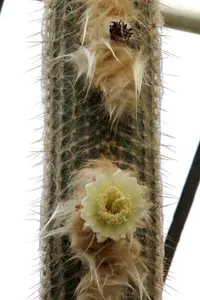
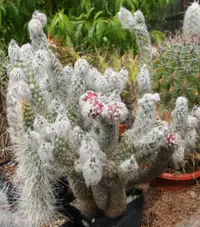
Austrocylindropuntia vestita, often called the old man cactus or cotton cactus, is a columnar cactus known for its long white hairs that cover the stems. These hairs protect the plant from strong sun and temperature swings, giving it a distinctive woolly look.

It originates from high, dry regions of Bolivia and Argentina, where it grows in rocky, well-drained soils with intense light and low humidity. In cultivation it stays compact for many years and usually grows slowly.

This species is generally considered easy to manage as long as excess moisture is avoided. Bright light, very free-draining soil, and careful watering are the main points to understand when learning how to care for Austrocylindropuntia vestita.

Main Plant Requirements

Care Difficulty

Easy Care

Light Preference

Full Sun

Water Requirements

Low Water

Temperature Preference

Tropical / Frost Sensitive

Hardiness Zone

9–11

Soil Texture

Sandy, Loamy, Rocky

Soil pH

Slightly acidic (6.5–7.0), Neutral (7.0)

Soil Drainage

Well-drained

Fertilization

Minimal (feed rarely)

Get Personalized Care Plan

Scan your plant to receive care tips personalized for your specific plant

Available on iOS and Android

How to Care for the Austrocylindropuntia vestita

This cactus prefers bright, strong light that mimics high-altitude sun exposure.

  • Provide 6–8 hours of direct sun daily, ideally with morning sun and some light afternoon shade in very hot, dry climates.
  • Outdoors, place Austrocylindropuntia vestita in an open, unshaded spot; in brighter coastal or high-heat areas, use thin shade cloth or filtered light for afternoon protection.
  • Watch for pale, elongated growth as a sign of too little light and scorched, yellowed patches as a sign of excessive, intense sun.

This species needs infrequent, deep watering and fast-drying soil to prevent root rot.

  • Water only when the top 3–5 cm of soil are completely dry; in hot growing seasons this may mean roughly every 10–21 days, less often in cool weather.
  • Use very fast-draining, gritty soil so water flows through in seconds and the pot or bed does not stay wet for more than 1–2 days.
  • Signs of overwatering include soft, mushy stems and blackened bases, while severe wrinkling and shriveling indicate the plant has been kept dry too long.

This cactus is adapted to cool, dry nights and warm, sunny days.

  • Aim for 65–85°F (18–29°C) during active growth; short spikes to 90–95°F (32–35°C) are tolerated if soil is dry and air moves freely.
  • Protect from hard frost; brief dips to around 25–28°F (-4 to -2°C) may be survived if very dry, but tissue damage is likely.
  • In winter, a cooler, drier rest at 45–55°F (7–13°C) helps harden growth, but keep it above freezing to avoid stem scarring and rot.

This cactus prefers dry air and usually does well in typical indoor humidity.

This species needs very fast-draining, mineral-based soil to prevent root rot.

  • Use a gritty, sandy cactus mix with at least 50–70% mineral content such as pumice, perlite, and coarse sand.
  • Aim for a slightly acidic to neutral pH around 6.0–7.0, avoiding heavy, alkaline garden soil.
  • Improve aeration by adding extra pumice or perlite so water runs through in seconds rather than pooling.
  • Avoid peat-heavy, compact, or water-retentive mixes that keep roots wet and encourage rot in Austrocylindropuntia vestita.

This species is well suited to container growing when the pot supports its columnar, top-heavy growth.

  • Choose a wide, heavy, low-profile pot that resists tipping as stems elongate and lean outward.
  • Select a shallow to medium-depth container so the mix dries quickly rather than holding moisture deep around roots.
  • Unglazed terracotta is useful because its porous walls speed evaporation and reduce the risk of prolonged wet soil.

This cactus needs only light feeding, focused on the active growing season.

  • Use a diluted balanced cactus fertilizer (around 10-10-10 NPK) or low-nitrogen succulent formula at 1/4–1/2 strength.
  • Apply once every 4–6 weeks in spring–summer when Austrocylindropuntia vestita is actively growing.
  • Skip feeding in fall–winter to respect its natural rest period.
  • Avoid organic composts that stay wet; they can increase rot risk in the root zone.

Pruning is mainly corrective and for shaping, rather than a routine need for this species.

  • Best time is late spring to early summer when growth is active and wounds seal faster.
  • Remove dead, damaged, or rotting segments using clean, sharp pruning shears or a knife.
  • Thin crowded stems to improve airflow and maintain a balanced, upright shape.
  • Disinfect tools before and after cutting to limit disease spread on Austrocylindropuntia vestita.

Container-grown plants benefit from occasional repotting to refresh soil and manage size.

  • Check for roots circling the pot, emerging from drainage holes, or unexplained slow growth as repotting signals.
  • Repot every 2–4 years in late spring, using a gritty cactus mix in a pot just 1–2 in wider.
  • Handle Austrocylindropuntia vestita by the root ball or wrapped stems to avoid damage and stress.
  • Water lightly after repotting, then allow the mix to dry almost completely before the next irrigation.

This cactus is most often propagated from stem cuttings taken in warm months.

  • Take healthy stem segments in late spring or summer, cutting with a sterile, sharp blade.
  • Allow cut surfaces to callus for 5–10 days in a dry, shaded place to reduce rot risk.
  • Set callused cuttings upright in a barely moist, gritty cactus mix with bright, indirect light.
  • Keep temperatures around 70–80°F and water sparingly until new growth indicates rooting in Austrocylindropuntia vestita.

Winter care focuses on avoiding excess cold and moisture around roots and stems.

  • This species is only lightly frost-tolerant; brief dips near freezing are risky, especially when soil is wet.
  • Move container plants indoors or to a cold, bright, frost-free room before temperatures drop below 40°F.
  • Keep soil almost dry in winter, watering just enough to prevent severe shriveling of Austrocylindropuntia vestita.
  • In mild climates, use very sharp-draining soil and a rain shield to keep outdoor plants from staying cold and wet.

Care Tips

Single-stem selection

When several offsets form at the base, keep 1–3 strongest stems and remove crowded, weak ones with a sterile knife to maintain an open structure and reduce rot risk at the crown.

Dry-handling technique

Use folded newspaper, silicone-tipped tongs, or a soft towel to handle the plant, which prevents damage to the fine hairs and protects skin from irritation while repotting or repositioning.

Top-dressing with grit

Apply a 1–2 cm layer of coarse pumice, chicken grit, or small gravel on the soil surface to keep the stem base dry, discourage fungus gnats, and visually show when the mix has fully dried.

Cool-season adjustment

In winter, keep the plant in its brightest, coolest dry location and rotate the pot 1–2 times per month to prevent lopsided growth and keep stems compact while light levels are low.

Propagation timing

Take stem cuttings only during active growth in late spring or early summer, let the cut ends callus for 5–7 days, then pot into barely moist gritty mix to expand your collection while caring for Austrocylindropuntia vestita long term.

Common Pests and Diseases

Mealybugs

This pest hides in woolly white clusters along joints and between spines, sucking sap and causing stunted, yellowed segments. Symptoms include sticky honeydew and sooty mold on the stems.

Solution

Isolate the plant, then dab visible insects with cotton swabs dipped in 70% isopropyl alcohol, taking care to reach into the wool and spine clusters. Repeat weekly until no new insects appear and improve light, airflow, and spacing to reduce reinfestation, which is central to Austrocylindropuntia vestita care instructions.

Spider mites

These insects are tiny and often hard to see, but cause fine webbing between spines, dulling of the stems, and a dusty or speckled appearance. Symptoms include slowed growth and a general grayish cast to the plant surface.

Solution

Rinse the plant thoroughly with a strong but controlled stream of water, focusing on joints and webbing, then allow it to dry in bright, airy conditions. For persistent cases, apply a horticultural soap or neem oil spray to all stem surfaces every 7–10 days until new growth appears clean.

Scale insects

This pest appears as small, hard, brown or tan bumps along stem segments, particularly at the joints. Symptoms include yellowing, reduced vigor, and sticky honeydew around the plant.

Solution

Gently scrape or pry off individual scales with a fingernail or soft tool, then wipe stems with a cloth lightly moistened with 70% isopropyl alcohol. Monitor weekly and repeat cleaning, and consider using an insecticidal soap spray if new scales continue to appear.

Corking and sunscald

This disease-like disorder produces rough, brown, corky patches or pale, bleached areas on the sunny side of stems, often after sudden exposure to intense sun. Symptoms include permanent scarring but usually limited spread once conditions stabilize.

Solution

Move the plant gradually into higher light so stems can adapt, or provide shade cloth or filtered sun during the strongest midday hours. Remove only severely damaged segments that threaten overall structure; most corking is cosmetic and can be managed by stabilizing light and avoiding sudden environmental changes.

Interesting Facts

Native high-altitude cactus

This species is native to high-altitude regions of Bolivia and Argentina, where it grows on rocky slopes and scrubby Andean habitats exposed to strong sun and large day–night temperature swings.

Wool for sun and frost

The dense white hair-like spines help protect the stem from intense ultraviolet radiation at high elevations and also trap a thin layer of air, moderating rapid temperature changes around the tissues.

Segmented cylindrical stems

Unlike flat-padded prickly pears, this species forms narrow cylindrical segments that elongate into upright, broom-like clumps, a growth form thought to reduce mechanical damage from high mountain winds.

Botan icon

Did you know?

In its native Andean range, this cactus often grows in very shallow, stony soils where the root system anchors into rock crevices, allowing it to exploit brief pulses of moisture from fog, dew, and occasional rainfall that quickly drain away from the surface.

FAQs about Austrocylindropuntia vestita

This species generally performs better outdoors in warm, dry climates with excellent light and air circulation. It can adapt indoors if given strong light, fast-draining substrate, and careful watering, but growth is usually slower and more compact.

Grow Healthy Plants with Botan Care

Keep your plants happy and healthy with plant identification, disease detection, and easy care guidance.

Botan plant care app — identify plants on mobile

Explore More Plants