Stabilize Heavy Rosettes
In windy or exposed sites, set the young plant slightly deeper than the root flare and mound a 5–8 cm gravel collar around the base to reduce rocking that can damage new roots.

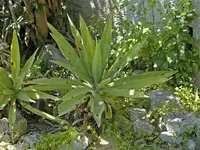
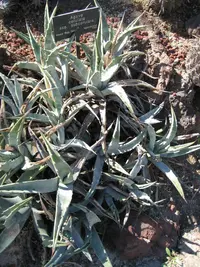
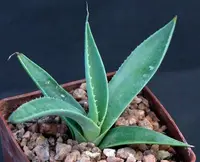
False sisal, Agave decipiens, is a large, evergreen succulent from Florida and nearby coastal regions. It forms dense clumps of long, narrow, arching leaves with sharp spines. In mild climates it can become a striking landscape feature, often used as a bold accent or barrier plant due to its size and spikiness. This species is drought-tolerant and prefers full sun, sandy or well-drained soil, and low to moderate watering. Its toughness makes it relatively low-maintenance once established, but the sharp leaf tips and eventual size require thoughtful placement. Understanding how to care for false sisal mainly involves managing space, light, and drainage rather than frequent watering or feeding.

Care Difficulty
Easy Care

Light Preference
Full Sun

Water Requirements
Low Water

Temperature Preference
Warm Climate

Hardiness Zone
9–11

Soil Texture
Sandy, Loamy, Rocky

Soil pH
Slightly acidic (6.5–7.0), Neutral (7.0)

Soil Drainage
Well-drained

Fertilization
Minimal (feed rarely)
Scan your plant to receive care tips personalized for your specific plant
Available on iOS and Android
Agave decipiens prefers strong, direct sun but tolerates some light shade in hot climates.
Agave decipiens is highly drought tolerant and needs infrequent, deep watering.
This species favors warm to hot conditions and does not tolerate hard frost.
Humidity has little impact on Agave decipiens, which is adapted to dry air.
Agave decipiens prefers sharply draining, mineral-based soil that dries quickly after watering.
This species adapts well to container growing when the pot is chosen for drainage and stability.
Agave decipiens grows well with minimal feeding but benefits from light nutrition in active growth.
Pruning Agave decipiens focuses on hygiene and safety rather than shaping.
This species is usually grown in the ground, so transplanting is infrequent and should be done with care.
Agave decipiens is most commonly propagated vegetatively rather than from seed in home gardens.
Winter care depends on climate, as this agave dislikes prolonged hard freezes.

Plant Health Check
Not sure what's wrong with your plant? Check your plant's health inside the app.
This species occurs naturally only in coastal south Florida, where it grows in exposed, sandy habitats such as dunes and coastal scrub rather than in typical desert environments.
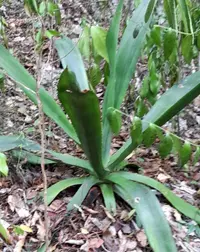
Its long, narrow leaves curve outward and downward and often bear numerous curling marginal fibers, giving mature rosettes a distinctive, untidy, fountain-like appearance.
When it flowers, usually once at the end of its life, it sends up a branched flower stalk that can exceed several meters, carrying many clusters of yellowish flowers that attract insects and birds.

Agave decipiens is considered one of the few agave species native to the United States that is naturally adapted to warm, humid, frost-free coastal climates rather than arid or high-elevation desert conditions, making its ecology unusual among agaves.
This species typically flowers only once at maturity, often after many years, then the main rosette dies. Lack of size, youth, or insufficient outdoor heat and seasonal cues are the usual reasons for no bloom.
Keep your plants happy and healthy with plant identification, disease detection, and easy care guidance.