Agave antillarum Care

Agave antillarum

About Agave antillarum

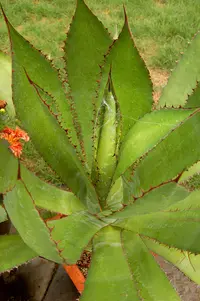
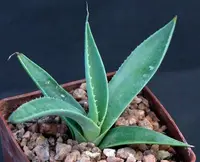
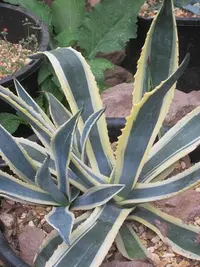
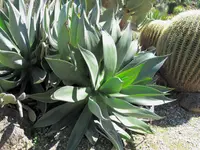
Agave antillarum is a small to medium-sized succulent native to the Caribbean. It forms compact rosettes of thick, stiff leaves with sharp tips and marginal teeth. The foliage is usually blue-green to gray-green and often arches slightly, giving the plant a sculptural, architectural look in containers or dry gardens.

This species grows slowly and stays relatively low, which makes it easier to manage than many larger agaves. It is adapted to hot, dry, rocky habitats and prefers strong light, very well-drained soil, and minimal watering. These traits usually make it straightforward to care for Agave antillarum in warm, dry climates or bright indoor spots with careful watering.

Main Plant Requirements

Care Difficulty

Easy Care

Light Preference

Full Sun

Water Requirements

Low Water

Temperature Preference

Tropical / Frost Sensitive

Hardiness Zone

10–11

Soil Texture

Sandy, Loamy, Rocky

Soil pH

Slightly acidic (6.5–7.0), Neutral (7.0)

Soil Drainage

Well-drained

Fertilization

Minimal (feed rarely)

Get Personalized Care Plan

Scan your plant to receive care tips personalized for your specific plant

Available on iOS and Android

How to Care for the Agave antillarum

This sun-loving succulent thrives in strong light but needs slow adaptation to harsh exposure.

  • Provide 6–8 hours of direct sun daily, ideally with morning sun and some light afternoon shade, especially in hot, low-latitude climates.
  • Plants tolerate bright, open sites but may scorch if moved suddenly from shade; increase sun exposure over 1–2 weeks to avoid bleached or crispy leaves.
  • In cloudy or high-latitude regions, choose the brightest south- or west-facing spot to maintain Agave antillarum’s compact, spined rosette.

This drought-adapted agave prefers deep, infrequent watering and very fast-draining soil.

  • Outdoors in arid climates, water only when the top 5–8 cm of soil are completely dry; this may mean every 2–4 weeks in summer and far less in cooler seasons.
  • Use gritty, sharply draining soil or a rocky slope so water runs off quickly and does not pool around the crown or roots.
  • Watch for overwatering signs such as soft, yellowing lower leaves or a sulfur smell from the soil; underwatered plants show wrinkling and slow leaf expansion but recover after a thorough soak.

This species prefers warm, dry conditions and is sensitive to prolonged cold and frost.

  • Optimal growth occurs around 70–90°F (21–32°C) with low to moderate humidity and good air movement.
  • Mature plants tolerate brief dips to about 28–30°F (-2 to -1°C), but repeated freezes damage leaf tissue and can kill the growing point.
  • In hot regions above 100°F (38°C), provide some afternoon shade and avoid heat-reflecting walls or paving, which can overheat the rosette and roots.

Humidity is rarely a concern for Agave antillarum, which thrives in dry air.

Agave antillarum prefers a very fast-draining, mineral, low-organic substrate to prevent root rot.

  • Use a gritty mix such as 50–60% coarse sand or small gravel combined with 40–50% cactus potting mix.
  • Ensure water drains through in seconds; if it lingers on the surface, add more mineral material to open the structure.
  • Aim for slightly acidic to neutral pH around 6.0–7.0, avoiding strongly acidic or alkaline extremes that can affect nutrient uptake.
  • Do not use heavy, peat-dense or clay-based mixes, which hold water and restrict aeration around the roots.

This species adapts well to container growing when the pot is chosen for drainage and stability.

  • Select a low, wide container to balance the spreading rosette and reduce the risk of tipping in wind or on balconies.
  • Choose a porous material such as unglazed terracotta so excess moisture evaporates faster from the root zone.
  • Raise the pot slightly on feet or spacers to keep drainage holes clear and allow rapid runoff after each watering.

This Caribbean agave requires only light feeding in containers or very poor soils.

  • Use a low-dose, balanced liquid fertilizer (around 10-10-10) diluted to 25–50% strength for potted plants.
  • Apply once every 6–8 weeks during spring and summer active growth only.
  • Avoid fertilizing in fall and winter, when Agave antillarum slows down and excess nutrients can cause weak, lanky growth.
  • For in-ground plants, a thin top-dressing of coarse compost in spring is usually sufficient.

Pruning needs for Agave antillarum are minimal and focus on hygiene and safety.

  • Best time is late spring or early summer, once frost risk has passed.
  • Remove dead, damaged, or pest-infested leaves at the base using clean, sharp pruning shears.
  • Trim only the affected leaves to maintain the natural rosette shape and avoid stressing the plant.
  • Wear thick gloves and long sleeves to handle the sharp leaf tips safely.

Container-grown plants are slow to outgrow their pots, so repotting Agave antillarum is infrequent.

  • Check for roots circling the pot, emerging from drainage holes, or noticeably slowed growth as cues to move up 1 pot size.
  • Plan repotting or transplanting for late spring, when temperatures are stable and the plant resumes active growth.
  • Typically repot every 3–5 years into a fast-draining cactus mix, keeping the crown slightly above the soil line.
  • Handle roots gently, avoid breaking the root ball, then keep soil barely moist for 1–2 weeks to limit transplant shock.

Most home growers propagate Agave antillarum vegetatively rather than from seed.

  • Separate offsets or pups in late spring or early summer, when they have several leaves and a small root system.
  • Use a clean, sharp knife to cut the pup from the mother plant, preserving as many roots as possible.
  • Allow cut surfaces to dry and callus for 2–5 days in a shaded, airy place to prevent rot.
  • Plant in a gritty, well-drained mix, keep in bright indirect light, and water lightly until established.

This species tolerates mild, dry winters but suffers in prolonged freezing conditions.

  • Aim to keep outdoor plants above about 28–30°F; sustained colder temperatures can damage leaves and crowns.
  • In marginal climates, apply a 5–8 cm layer of coarse gravel or dry mulch around, not touching, the rosette base.
  • For containers, move plants indoors or into an unheated but frost-free garage or greenhouse for winter.
  • Keep soil almost dry in cold months, as wet substrate plus low temperatures greatly increases rot risk.

Care Tips

Rock mulch ring

Create a 10–20 cm ring of coarse gravel or rocks around the base to keep leaves off wet soil, reduce rot risk, and mimic the fast-draining conditions of its native habitat.

Offset management

Inspect the plant once or twice a year and remove crowded offsets with a clean knife, letting the cut ends dry for 3–7 days before replanting to prevent infection and maintain an open rosette shape.

Slope and aspect

If planting outdoors on a slope, position the plant so the rosette faces slightly downhill, which helps shed water away from the crown and reduces the chance of fungal problems when growing Agave antillarum.

Winter rain protection

In climates with cool, wet winters, provide a simple overhead cover such as a clear roof panel or cold frame so the plant stays mostly dry while still receiving bright light.

Safe handling routine

Use thick gloves and long-handled tools when handling or cleaning around the plant, and remove any dead or damaged lower leaves carefully to keep air moving through the rosette and discourage pests hiding at the base.

Common Pests and Diseases

Agave snout weevil

This pest bores into the base of the rosette, causing internal tunneling and rapid collapse of leaves, often accompanied by a fermented or rotten smell. Symptoms include wilting from the center of the plant and plants snapping over at the crown.

Solution

Remove and destroy any infested plants and surrounding soil to prevent spread, and discard them away from other agaves. For remaining healthy plants, avoid wounding the base, keep them dry and well drained, and in high‑risk areas use a systemic insecticide labeled for weevils as a soil drench in spring before adults lay eggs.

Scale insects

These insects attach to leaves and leaf bases, appearing as small, hard bumps that may cause yellowing patches and overall decline. This pest feeds on sap and can weaken the rosette over time, especially on stressed plants in dry, hot sites.

Solution

Physically remove scales with a soft brush or cloth dipped in isopropyl alcohol, focusing on leaf bases and the underside of leaves. For heavier infestations, apply a horticultural oil or insecticidal soap thoroughly to all leaf surfaces, repeating every 7–10 days until new growth emerges clean.

Agave black spot

This disease produces dark, sunken spots on leaves that can coalesce into larger necrotic patches, often starting on older or lower foliage. Symptoms include rough, scab‑like lesions that may have a yellow halo and slowly expand in humid or poorly ventilated conditions.

Solution

Cut off and discard affected leaves, sterilizing pruning tools between cuts, and keep foliage as dry as possible by watering at the soil level. Improve sun exposure and airflow around the plant, and in persistent cases use a copper‑based or other labeled ornamental fungicide at intervals recommended on the product label.

Anthracnose

This disease causes irregular tan to dark brown spots and streaks on leaves, sometimes starting at the tips or along margins, and may create a burned appearance. Symptoms include spots with darker borders and, in humid weather, tiny black fungal structures within the lesions.

Solution

Remove and destroy infected leaves promptly and avoid overhead irrigation to limit leaf wetness. Increase spacing and airflow, and where disease pressure is high, apply a labeled foliar fungicide on a 10–14 day schedule during warm, wet periods as part of broader Agave antillarum care instructions.

Interesting Facts

Natural Caribbean endemic

This species is naturally restricted to parts of the Greater Antilles, especially Hispaniola and nearby islands, where it grows on rocky, seasonally dry slopes and open scrub rather than true deserts.

Compact, non-suckering rosette

Unlike many agaves that produce numerous offsets, this plant typically forms solitary or loosely clumping rosettes, which stay relatively compact compared with larger agave species.

Distinctive leaf armature

Its leaves are thick, stiff, and guttered with strong marginal teeth and a hardened terminal spine, an adaptation that reduces herbivory and helps protect the plant in exposed habitats.

FAQs about Agave antillarum

Brown tips usually come from underwatering, hot reflected sun, or fertilizer salts. Brown at the base with soft tissue points to rot from excess moisture or poor drainage. Remove damaged leaves and correct the underlying issue.

Grow Healthy Plants with Botan Care

Keep your plants happy and healthy with plant identification, disease detection, and easy care guidance.

Botan plant care app — identify plants on mobile

Explore More Plants