hottentot fig Care (Carpobrotus edulis)

Also known as: Sour fig, ice plant, sea fig, pigface, Edible Sourfig, Yellow Sourfig, Wild Fig
hottentot fig

About hottentot fig

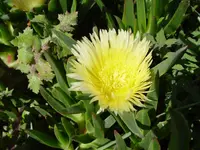
Hottentot fig, Carpobrotus edulis, is a fast-spreading, succulent groundcover known for its thick, triangular leaves and large daisy-like flowers in yellow to magenta tones. It forms dense mats that root along the stems, often used to stabilize sandy slopes and coastal banks.

This species is native to coastal South Africa but is now widely naturalized in Mediterranean and mild coastal climates, including parts of California and Australia. It prefers full sun, dry to moderately moist conditions, and very well-drained, sandy or rocky soils.

Its drought tolerance and toughness make it easy to grow in suitable climates, though it can become invasive outdoors. Basic knowledge of how to care for hottentot fig helps keep growth controlled and healthy.

Main Plant Requirements

Care Difficulty

Easy Care

Light Preference

Full Sun

Water Requirements

Low Water

Temperature Preference

Tropical / Frost Sensitive

Hardiness Zone

9–11

Soil Texture

Sandy, Loamy, Rocky

Soil pH

Slightly acidic (6.5–7.0), Slightly alkaline (7.0–7.5)

Soil Drainage

Well-drained

Fertilization

Minimal (feed rarely)

Get Personalized Care Plan

Scan your plant to receive care tips personalized for your specific plant

Available on iOS and Android

How to Care for the hottentot fig

Carpobrotus edulis thrives in strong, direct light and is best suited to open, sunny sites.

  • Provide full sun for 6–10 hours per day; coastal sites with unshaded exposure suit hottentot fig very well.
  • Accepts light, shifting shade for part of the day, but prolonged shade leads to weak, elongated growth and fewer flowers.
  • In summer, strong afternoon sun is tolerated if soil drains well, while in winter open southern or western exposure helps maintain compact, healthy growth.

Carpobrotus edulis is highly drought tolerant and prefers infrequent, deep watering over frequent light applications.

  • Allow sandy or gritty soil to dry at least in the top 5–8 cm before watering, then soak thoroughly so water drains quickly away from the roots.
  • Reduce watering sharply in cool or overcast seasons; leaves should stay firm and slightly plump, not wrinkled or mushy.
  • Yellowing, soft foliage and a sour soil smell indicate overwatering and poor drainage, while shriveling pads and slow recovery after watering indicate prolonged drought stress.

This coastal succulent prefers mild, frost-free conditions but copes with considerable summer heat when established.

  • Optimal growth occurs around 65–80°F (18–27°C), with strongest spread and flowering in consistently mild, sunny weather.
  • Mature plants usually survive brief drops to about 25–28°F (-4 to -2°C), but foliage may burn or collapse after hard frost and young plants are more vulnerable.
  • Handles heat up to 95–100°F (35–38°C) if soil is very well drained; in extended heat waves, reduced watering and dry air circulation help limit rot risk.

This coastal succulent tolerates a wide humidity range and rarely needs special humidity management.

This succulent prefers very free-draining, sandy soil that mimics coastal dunes.

  • Use a mix of 50–70% coarse sand or grit with the remainder cactus potting mix to keep roots dry and aerated.
  • Ensure very rapid drainage; raised beds or mounded planting improve runoff and prevent waterlogging.
  • Aim for slightly acidic to neutral pH around 6.0–7.0, which suits most sites where Carpobrotus edulis thrives.
  • Avoid heavy clay, compacted ground, or organic-rich mixes that stay wet for more than a few hours after watering or rain.

This species can be grown in containers, especially for controlling its vigorous spread.

  • Choose a wide, shallow, heavy pot so the spreading mat does not tip the container in wind or under its own weight.
  • Select unglazed terracotta if extra moisture loss is needed in wet climates, as it allows faster evaporation from the root zone.
  • Position the container where trailing stems can hang freely, preventing wet stems from sitting against the rim and rotting.

Carpobrotus edulis is a low-nutrient coastal succulent that needs only light feeding in poor soils.

  • Use a balanced slow-release fertilizer (around 10-10-10) or thin compost layer in spring for in-ground plants.
  • Feed once at the start of the growing season; containers can receive a half-strength liquid balanced NPK every 4–6 weeks.
  • Avoid high-nitrogen products, which cause soft, weak growth and reduce flowering in hottentot fig.
  • Stop feeding in late summer so growth hardens before cooler weather and winter dormancy.

Pruning Carpobrotus edulis controls spread, maintains vigor, and keeps mats tidy.

  • Carry out main pruning in late winter to early spring before strong new growth starts.
  • Remove dead, damaged, or diseased stems and thin overcrowded sections to improve air flow and light penetration.
  • Trim back overgrown or leggy runners to shape groundcover edges and encourage denser, flowering growth.
  • Use clean, sharp hand pruners; avoid cutting into very old woody bases unless removing entire sections.

This species is usually grown as a groundcover, so care focuses on transplanting rather than frequent repotting.

  • Transplant young Carpobrotus edulis in spring when soil warms and new growth begins.
  • Choose a very free-draining sandy or gritty soil and a sunny, open position to reduce transplant shock.
  • In containers, repot only when roots circle the pot or growth stalls, typically every 2–3 years.
  • Water lightly after moving, then allow soil to dry between waterings to limit root stress and rot.

Carpobrotus edulis is commonly propagated vegetatively, which maintains desirable growth and flower traits.

  • Take 7–10 cm tip cuttings or small stem sections in late spring–summer and remove lower leaves.
  • Lay cuttings on or slightly in gritty, free-draining mix and keep just barely moist until roots form.
  • Pinning trailing stems to soil creates natural layering, which roots in warm, bright outdoor conditions.
  • Seeds germinate in warm (65–75°F) sandy mix with good light, but seedlings may vary from parent plants.

This succulent tolerates mild coastal winters but is damaged by hard frost, especially in poorly drained sites.

  • In USDA zones around 9–10, plants usually overwinter outdoors without major intervention if soil drains well.
  • In marginal climates, apply a light gravel or coarse sand mulch to keep the crown above soggy winter soil.
  • Container plants in colder regions should be moved indoors to a cool, bright, frost-free spot for winter.

Care Tips

Control Spreading Edges

Install a root barrier or edge the bed 1–2 times per year to stop the mat from invading lawns, paths, or native plantings, cutting back runners cleanly with sharp shears and removing any rooted fragments.

Encourage Dense Carpets

Pin down long, healthy stems with U-shaped landscape staples or small stones so nodes contact the soil, which promotes faster rooting and fills bare patches more evenly when growing hottentot fig.

Optimize Coastal Planting

On windy or coastal sites, plant slightly behind dunes, rocks, or low walls so young plants get some wind break while still receiving full sun and salt-laden air they tolerate well.

Use Strategic Mulching

Apply a very thin, coarse mineral mulch such as gravel around young plants to reduce weed competition and splash while still allowing excellent drainage and avoiding excess moisture around the crowns.

Monitor Winter Wetness

In regions with cool, wet winters, slightly mound the planting area or use raised berms so excess rain drains away from the roots, reducing the risk of rot in heavy or compacted soils.

Common Pests and Diseases

Aphids

This pest feeds on young shoots and flower stalks, sucking plant sap and causing distortion and sticky honeydew on leaves. Symptoms include curling tips, stunted growth, and sooty mold growing on the honeydew in humid conditions.

Solution

Rinse colonies off stems and flower stalks with a firm stream of water and repeat as needed. For persistent infestations, use insecticidal soap or a ready-to-use neem oil spray, targeting undersides of shoots and treating again after 5–7 days while also encouraging natural predators such as lady beetles by avoiding broad-spectrum insecticides nearby.

Mealybugs

These insects form white, cottony clusters in leaf joints and along stems, feeding on sap and weakening the plant. Symptoms include slowed growth, yellowing patches, and sticky residue that can lead to sooty mold.

Solution

Isolate affected containers if possible and dab visible mealybugs with cotton swabs dipped in 70% isopropyl alcohol, then wipe down the infested areas. Follow with a thorough spray of insecticidal soap or neem oil every 7–10 days until no new insects appear, focusing on crevices between leaves and stems and avoiding applications during intense midday sun.

Scale insects

This pest appears as small, brown or gray, shell-like bumps on stems and older leaves, where it remains fixed while sucking sap. Symptoms include yellowing pads, reduced vigor, and sticky honeydew on surrounding foliage or surfaces.

Solution

Gently scrape or rub off individual scales with a fingernail or soft brush, then prune heavily infested stems if practical. Apply horticultural oil or neem oil to thoroughly coat stems and leaf bases, repeating after 7–10 days, and improve plant vigor with appropriate light and drainage to help it tolerate minor remaining populations.

Leaf spot

This disease causes small, dark, water-soaked spots on foliage that may enlarge, merge, and cause localized tissue death, especially in damp or overcrowded plantings. Symptoms include patchy browning, premature leaf drop, and an overall patchy appearance of the mat.

Solution

Remove and dispose of affected leaves and any dead plant material sitting on the plant surface to reduce pathogen spread. Improve air movement and drainage by thinning dense patches, avoid overhead watering, and water in the morning; in persistent, severe cases, a broad-spectrum fungicide labeled for ornamental succulents can be applied following label directions.

Basal stem and crown rot

This disease develops in poorly drained or overwatered soils, causing dark, soft, or water-soaked tissue at the base of stems where they meet the soil. Symptoms include sudden wilting, yellowing of whole sections of the mat, and easy detachment of rotted stems from the substrate.

Solution

Dig out and discard all affected plants and surrounding soil where tissue is soft or foul-smelling, then improve drainage with coarse sand or gravel before replanting in a new area. Future Carpobrotus edulis plant care should include strict avoidance of overwatering, especially in cool weather, and limiting irrigation to infrequent, deep soakings only when the soil has dried well below the surface.

Interesting Facts

Highly salt tolerant

This coastal succulent can grow in substrates regularly splashed by seawater and tolerates saline soils that would kill many other species, in part due to its fleshy water-storing leaves and efficient salt regulation in root tissues.

Invasive sand stabilizer

It was widely planted to stabilize dunes and railway embankments in Mediterranean-climate regions, but its dense mats now outcompete many native coastal plants and alter soil chemistry, leading to active removal programs in places like California and parts of Europe.

Dual pollination strategy

The large yellow to pinkish flowers are visited by a wide range of pollinators, including bees, flies, and beetles, yet the plant can also self-pollinate, which helps new populations establish from only a few introduced individuals.

Botan icon

Did you know?

Genetic and historical evidence suggest that some populations of this species in South Africa hybridize with closely related Carpobrotus species, creating complex hybrid swarms that make it difficult for botanists to separate species in the field and to design precise conservation and control strategies.

FAQs about hottentot fig

This species spreads rapidly through long, trailing stems and rooting nodes, forming dense mats. In mild coastal climates it can outcompete other plants, so use barriers, regular edging, and prompt removal of unwanted runners when growing hottentot fig.

Grow Healthy Plants with Botan Care

Keep your plants happy and healthy with plant identification, disease detection, and easy care guidance.

Botan plant care app — identify plants on mobile

Explore More Plants