Regular renewal pruning
Every 2–3 years, remove 1–3 of the oldest, thickest stems at the base to stimulate fresh basal shoots and keep the shrub dense instead of leggy.

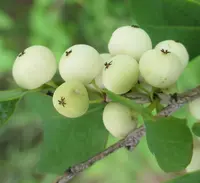
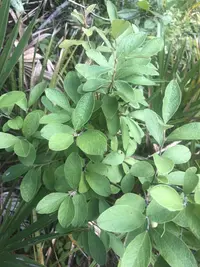
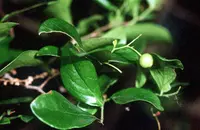
Common bushweed, Flueggea virosa, is an evergreen to semi-deciduous shrub that forms dense, twiggy thickets. It typically stays compact but can become a small, many-branched bush over time. Small, simple leaves and inconspicuous greenish-white flowers give it a plain, scrubby appearance rather than a showy ornamental display. This species occurs across tropical and subtropical regions of Africa and Asia, where it grows in dry woodland, scrub, and rocky hillsides. It adapts to poor, well-drained soils and seasonal drought, which can make it resilient but sometimes slow to establish in cultivation. Light, free-draining soil and moderate moisture generally suit it, and these traits guide how to care for common bushweed in garden settings.

Care Difficulty
Moderate Care

Light Preference
Full Sun

Water Requirements
Moderate Water

Temperature Preference
Tropical / Frost Sensitive

Hardiness Zone
10–12

Soil Texture
Sandy, Loamy

Soil pH
Slightly acidic (6.5–7.0), Neutral (7.0)

Soil Drainage
Well-drained

Fertilization
Minimal (feed rarely)
Scan your plant to receive care tips personalized for your specific plant
Available on iOS and Android
Flueggea virosa performs best in bright outdoor conditions with protection from harsh extremes of sun exposure.
This shrub prefers steady soil moisture without remaining saturated for long periods.
This species prefers warm, frost‑free conditions and is best suited to subtropical or tropical climates.
Humidity is rarely a limiting factor for Flueggea virosa in typical home or garden conditions.
This shrub prefers mineral, well-structured soil that drains freely yet holds some moisture.
This species can be grown in containers if the pot is prepared for its woody root system and eventual shrub size.
Flueggea virosa usually grows well in average soil but benefits from light feeding in poor or depleted ground.
Flueggea virosa responds well to light structural pruning that maintains a stable, bushy form.
This species is more often grown in the ground, so focus on careful transplanting rather than frequent repotting.
Flueggea virosa is usually propagated from seeds or semi-hardwood cuttings under warm conditions.
This warm-climate shrub has low frost tolerance and needs some winter protection in regions with freezing conditions.

Plant Health Check
Not sure what's wrong with your plant? Check your plant's health inside the app.
This species often colonizes disturbed ground and forms dense thickets in savanna and scrub, helping to stabilize soil and provide shelter for small animals and birds.
Individual plants are either male or female, a condition called dioecy, so only female plants produce the characteristic small white berries when a pollen source is nearby.
It naturally occurs from sea-level coastal bush to dry rocky hillsides and woodland margins across Africa and parts of Asia, showing high tolerance to heat, seasonal drought, and poor soils.

The pale, translucent berries are a preferred food for many frugivorous birds, which disperse the seeds over long distances and help maintain shrub populations in patchy, fire-prone landscapes.
This shrub can seed itself and form thickets in warm climates, especially in disturbed or overgrazed areas. In managed gardens, remove unwanted seedlings promptly and prune lightly to keep it within boundaries and protect nearby native vegetation.
Keep your plants happy and healthy with plant identification, disease detection, and easy care guidance.