winged sumac Care (Rhus copallinum)

Also known as: shining sumac, flameleaf sumac, eastern winged sumac
winged sumac

About winged sumac

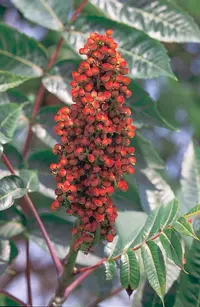
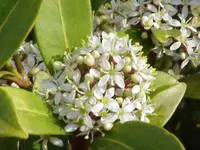
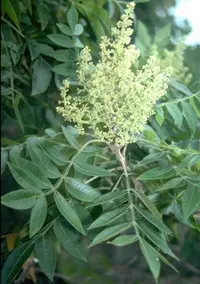
Winged sumac (Rhus copallinum) is a deciduous shrub or small tree native to eastern and central North America. It often forms colonies along roadsides, fields, and open woods. Plants typically have glossy, pinnate leaves, winged leaf stalks, and showy red fall color, followed by clusters of red fruit that attract birds. It has a suckering habit and can spread into thickets, which is useful for naturalized plantings but less suited to small, formal gardens. This species is generally tough and adaptable, tolerating poor, dry soils and full sun, which makes it relatively easy to care for winged sumac in suitable outdoor conditions.

Main Plant Requirements

Care Difficulty

Easy Care

Light Preference

Full Sun

Water Requirements

Low Water

Temperature Preference

Cold Hardy

Hardiness Zone

4–9

Soil Texture

Sandy, Loamy, Rocky

Soil pH

Acidic (5.5–6.5), Slightly acidic (6.5–7.0)

Soil Drainage

Well-drained

Fertilization

Minimal (feed rarely)

Get Personalized Care Plan

Scan your plant to receive care tips personalized for your specific plant

Available on iOS and Android

How to Care for the winged sumac

This sun-loving shrub performs best with strong light exposure for most of the day.

  • Provide 6–8 hours of direct sun daily; full sun promotes dense growth and strong fall color in winged sumac.
  • It tolerates light or dappled shade, especially in the afternoon, but too much shade leads to taller, looser growth and fewer flowers and fruits.
  • In hot climates, aim for morning sun with some protection from intense late-afternoon sun to limit leaf scorch on very dry sites.

This drought-tolerant shrub prefers infrequent, deep watering once established.

  • In the first growing season, water when the top 5–8 cm of soil feel dry, soaking the root zone deeply, then allow the soil to dry again.
  • Rhus copallinum needs very little supplemental water after establishment; in most climates, rely on rainfall and water only during prolonged drought.
  • Avoid soggy or compacted soil; signs of overwatering include yellowing leaves and dieback, while severe wilting and crisp leaf edges suggest underwatering.

This hardy shrub thrives in a wide range of outdoor temperatures once established.

  • Active growth is strongest around 65–85°F (18–29°C), typical of late spring and summer in many regions.
  • Mature plants tolerate winter lows near -20°F (-29°C) in suitable USDA zones, going fully dormant and leafless in cold seasons.
  • Heat tolerance is high up to about 95–100°F (35–38°C) if soil is not waterlogged; young plants may need extra water during extended hot, dry spells.

This species is highly tolerant of dry air and usually does not need humidity adjustment outdoors.

Rhus copallinum thrives in lean, well-drained mineral soils and is adapted to dry, low-fertility sites.

  • Use sandy or gravelly loam with 20–40% coarse sand or grit to promote rapid drainage and root aeration.
  • Aim for slightly acidic to neutral pH around 5.5–7.0; avoid strongly alkaline, compacted subsoils.
  • In richer sites, limit high-nutrient compost to a thin topdressing instead of mixing large amounts into the root zone.
  • Avoid heavy clay, waterlogged spots, and low-lying areas where runoff collects, which increase root rot risk.

This shrub can be grown in containers short term, but it is better suited to open-ground planting as it matures.

  • Choose a deep, wide, heavy container to counterbalance the multi-stemmed, spreading canopy and reduce tipping in wind.
  • Fill the pot with a gritty mix such as 50–60% mineral material (coarse sand or fine gravel) to prevent water retention around the woody roots.
  • Position the container where runoff cannot pool around the base, as standing water around the pot base prolongs saturation of drainage holes.

This native shrub or small tree usually needs little feeding on typical garden or natural soils.

  • If growth is weak or leaves pale, apply a light layer of compost around the root zone in early spring.
  • On poor or sandy sites, use a balanced slow-release fertilizer (around 10-10-10) at half label rate once in spring.
  • Avoid summer and fall feeding so growth hardens before winter and reduces risk of cold damage.

Pruning Rhus copallinum is mainly corrective and helps maintain a stable, open structure.

  • Carry out pruning in late winter or very early spring before new growth starts.
  • Remove dead, broken, rubbing, or crossing branches back to a healthy lateral or the main stem.
  • Thin crowded interior stems to improve light penetration and airflow, keeping the natural form.
  • Use sharp, clean hand pruners or loppers and make smooth cuts just outside the branch collar.

This species is usually grown in the ground, so focus on careful transplanting of young plants.

  • Transplant in early spring or fall when temperatures are mild and soil is workable.
  • Look for circling roots, root-bound containers, or stalled growth as signs a nursery plant needs a larger planting space.
  • Loosen outer roots gently, set the root flare at soil level, and backfill with native soil without heavy amendment.
  • Water deeply after planting, then keep soil evenly moist but not waterlogged for the first season to limit transplant shock.

Propagation of Rhus copallinum is commonly done from seed and natural suckers.

  • Collect ripe seed in fall; for best germination, use cold stratification at about 34–41°F for 2–3 months.
  • Sow stratified seeds in a well-drained sandy mix, keep slightly moist, and provide bright light.
  • Lift and transplant rooted suckers in early spring, keeping a good portion of the root system attached.
  • Space new plants with room for spreading roots and shoots, as colonies can expand over time.

This species is cold hardy in much of its range and usually needs minimal winter attention.

  • Established in-ground plants tolerate typical frosts and freezes without extra covering.
  • Apply a 5–7 cm mulch layer over the root zone in late fall, keeping it slightly away from the stems.
  • For young or container plants, group pots in a sheltered spot, insulate with mulch, or move to an unheated garage in very cold climates.

Care Tips

Encourage multi-stem form

Cut back the central leader of young plants to 30–45 cm in late winter to encourage a dense, multi-stem shrub that is more wind-stable and produces fuller fall color.

Manage suckering spread

Install a 30–40 cm deep root barrier or periodically spade-cut a narrow trench around the clump to control underground runners and keep the colony within a defined area.

Support beneficial insects

Avoid broad-spectrum insecticides near flower clusters so that pollinators and predatory insects can use the plant, which naturally helps control pests and supports a healthy landscape when growing winged sumac.

Plan for storm resilience

Site plants away from power lines and structures, and remove weak, crossing, or storm-damaged branches after severe weather to reduce breakage and maintain a stable framework.

Use as nurse plant

Plant drought-sensitive natives on the north or east side of established shrubs so the sumac provides shade and wind protection while their root systems become established.

Common Pests and Diseases

Leaf spot

This disease causes irregular brown to black spots on leaves, sometimes with yellow halos, and can lead to early leaf drop in humid weather.

Solution

Prune and dispose of heavily spotted leaves to reduce inoculum, avoid overhead watering, and improve air circulation around shrubs or thickets; in nursery or high-value landscape settings, a copper-based or chlorothalonil fungicide can be used according to label directions at the first sign of spotting.

Powdery mildew

This disease produces a white, powdery film on upper leaf surfaces, which may cause mild distortion or early color change but usually does not kill the plant.

Solution

Increase sun exposure where possible, thin dense stems to improve airflow, avoid excessive nitrogen fertilization, and, if needed for young or stressed plants, apply a labeled sulfur or potassium bicarbonate fungicide when the first white patches appear.

Scale insects

These insects appear as small, immobile bumps on stems or undersides of leaves and feed on sap, sometimes leading to yellowing foliage and sooty mold from their honeydew.

Solution

For light infestations, gently scrub stems with a soft brush and water or prune out heavily colonized twigs; for larger outbreaks, use a horticultural oil spray during the growing season or a dormant oil treatment in late winter, ensuring thorough coverage of bark and branch crotches.

Aphids

These insects cluster on young shoots and leaf undersides, sucking sap and causing curling or distortion of new growth, often accompanied by sticky honeydew and sooty mold.

Solution

Dislodge colonies with a strong stream of water, encourage natural predators such as lady beetles by minimizing broad-spectrum insecticides, and, if populations remain high on young ornamentals, apply insecticidal soap or a light horticultural oil, coating the undersides of leaves.

Interesting Facts

Distinctive winged twigs

This species gets its common name from the flat, corky wings that often develop along the sides of its green twigs, a feature that is far less pronounced or absent in many other sumac species.

High wildlife value

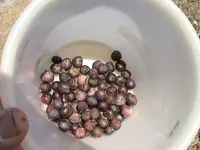
The small red drupes produced in dense clusters persist into winter and are a reliable food source for many birds, including wild turkey, quail, and songbirds, while the dense branching provides cover for small animals.

Strong clonal colonies

Rhus copallinum spreads vigorously by underground rhizomes, forming extensive clonal thickets that stabilize poor, sandy, or rocky soils and often dominate exposed roadsides and disturbed slopes.

Botan icon

Did you know?

Rhus copallinum is notably tolerant of harsh roadside conditions, including air pollution, compacted soils, and heat reflected from pavement, which is why it is frequently used in large-scale highway plantings across parts of eastern North America.

FAQs about winged sumac

This species spreads by underground rhizomes and self-sown seed, often forming colonies over time. In small gardens it can feel aggressive, so plan space carefully and remove unwanted suckers regularly to contain its spread.

Grow Healthy Plants with Botan Care

Keep your plants happy and healthy with plant identification, disease detection, and easy care guidance.

Botan plant care app — identify plants on mobile

Explore More Plants