Andean blueberry Care (Vaccinium floribundum)

Andean blueberry

About Andean blueberry

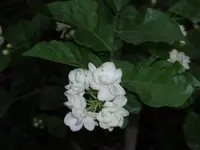
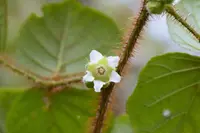
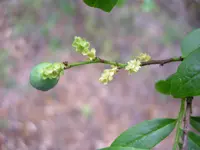
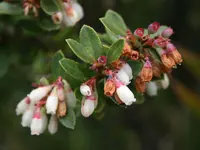
Andean blueberry (Vaccinium floribundum) is an evergreen shrub from high-altitude regions of the northern Andes, where it grows in cool, sunny, open habitats. It produces small, leathery leaves and numerous white to pinkish urn-shaped flowers, followed by dark purple berries valued locally for their flavor and nutrition.

This species grows slowly and tends to stay compact, which can suit container culture in cool climates. It prefers acidic, well-drained soils, steady moisture, and good light, similar to other blueberries. Due to its need for cool temperatures and low-fertility, acidic conditions, it can be challenging to care for Andean blueberry in warm or alkaline garden settings.

Main Plant Requirements

Care Difficulty

Hard Care

Light Preference

Full Sun

Water Requirements

Regular Water

Temperature Preference

Cool Climate

Hardiness Zone

9–11

Soil Texture

Loamy, Peaty, Organic-rich

Soil pH

Strongly acidic (4.5–5.5)

Soil Drainage

Moist but well-drained

Fertilization

Minimal (feed rarely)

Get Personalized Care Plan

Scan your plant to receive care tips personalized for your specific plant

Available on iOS and Android

How to Care for the Andean blueberry

Vaccinium floribundum prefers bright, cool conditions similar to high-altitude shrublands.

  • Provide 4–6 hours of direct morning sun with light shade or filtered light in the hottest afternoon hours.
  • Tolerates partial shade, but flowering and fruiting of Andean blueberry decline if it receives less than 3–4 hours of direct light.
  • In hot lowland summers, protect from harsh sun between 12–4 p.m. to prevent leaf scorch; in cooler seasons, allow more direct sun for strong growth.

This species prefers consistently moist, acidic, well-drained soil without staying waterlogged.

  • Water when the top 2–3 cm of soil feel dry, aiming for evenly moist but never saturated conditions.
  • Reduce watering frequency in cool or rainy seasons, and increase slightly during hot, dry weather while still allowing the surface to dry between waterings.
  • Watch for yellowing, soft leaves or sour smell as signs of overwatering, and for drooping, dry, crisp foliage as signs of underwatering in Vaccinium floribundum.

This highland shrub thrives in cool, stable temperatures and dislikes extremes.

  • Aim for 55–70°F (13–21°C) for active growth, with best flowering and fruiting in the cooler part of this range.
  • Mature plants tolerate brief drops to about 25°F (-4°C), but repeated hard frosts or freezing winds can damage young shoots and flower buds.
  • Heat above 80°F (27°C) can stress plants; provide mulch and light shade in hot spells and avoid planting in heat-trapping, reflected-sun sites.

This highland shrub prefers consistently moist air but adapts if roots stay evenly watered.

  • Aim for 50–70% humidity to mimic its cool, cloud-forest origin for Andean blueberry.
  • Dry indoor air causes leaf edge browning, slow growth, and early leaf drop, especially near heating vents.
  • Raise humidity with grouped plants, a pebble tray under the pot, or an ultrasonic humidifier placed nearby.

This species needs acidic, airy, consistently moist but well-drained soil to thrive.

  • Use a loose, organic-rich mix such as 60–70% peat- or coir-based ericaceous compost with 30–40% perlite or fine bark for structure.
  • Target a strongly acidic pH of 4.5–5.5, since Vaccinium floribundum struggles to absorb nutrients in neutral or alkaline substrates.
  • Ensure rapid drainage by using pots or beds that never stay waterlogged; water should drain through within seconds, not minutes.
  • Avoid heavy clay, limy soil, or mixes with added lime or wood ash, which raise pH and restrict nutrient uptake.

This shrub can grow successfully in containers when the root zone is kept cool, acidic, and evenly moist.

  • Choose a deep, narrow-to-medium width pot to give the fine roots depth while limiting excessive surface evaporation.
  • Select a heavy, stable container material such as ceramic or clay to prevent tipping in wind and to buffer rapid temperature swings.
  • Elevate the pot on feet or spacers so drainage holes stay clear and excess water leaves the root zone quickly after rain or irrigation.

This highland shrub benefits from light, acidic feeding but is sensitive to excess nutrients.

  • Use an acid-forming, slow-release fertilizer or balanced NPK around 10-10-10 at half strength for caring for Andean blueberry in containers or poor soils.
  • Feed lightly every 6–8 weeks during active growth in spring and early summer, avoiding late-season applications.
  • In the ground on reasonably fertile, acidic soil, rely mainly on compost or leaf mold as a thin surface mulch.
  • Stop feeding in late summer and provide no fertilizer in winter dormancy to prevent soft, frost-tender growth.

Vaccinium floribundum needs only light, periodic pruning to maintain health and fruiting wood.

  • Carry out structural pruning in late winter or early spring before new growth starts.
  • Remove dead, diseased, or crossing branches first, then thin crowded interior shoots to improve light and airflow.
  • Shorten excessively long stems to keep a balanced, open shape that supports flowering and fruiting.
  • Use clean, sharp bypass pruners and make angled cuts just above outward-facing buds or branch junctions.

This species is most often grown in the ground, so focus on careful transplanting and limited container upsizing.

  • Transplant or up-pot in early spring or early fall, when temperatures are mild and soil is workable.
  • Look for roots circling the pot, rapid drying of the substrate, or slowed growth as signs a container plant needs more space.
  • Shift to a container only 1–2 in wider, filled with acidic, well-drained mix, and disturb the root ball as little as possible.
  • Water thoroughly after transplanting, shade from harsh sun for 3–5 days, and keep soil evenly moist to reduce root stress.

This shrub is usually propagated vegetatively, as seed-grown plants are variable and slow to mature.

  • Take semi-ripe cuttings in late summer, 8–10 cm long, and insert into acidic, free-draining mix under high humidity and bright shade.
  • Use a rooting hormone on the cut base and maintain bottom warmth around 68–72°F to support root formation.
  • Layer low, flexible shoots in spring by pegging them into soil and severing once well rooted, usually after 1 season.
  • Sow fresh seed in autumn in cool, acidic substrate, accepting that germination is slow and requires consistent moisture.

This high-elevation blueberry is fairly cold tolerant but benefits from root-zone protection in colder gardens.

  • In regions with frost, apply 5–8 cm of organic mulch around the root zone, keeping it slightly away from the stems.
  • Avoid heavy pruning or high-nitrogen feeding late in the season so new growth hardens before freezes.
  • For container plants, move pots into a sheltered, unheated but frost-free spot and keep the mix just barely moist.

Care Tips

Mulch For Cool Roots

Apply a 5–8 cm layer of pine needles or shredded bark around the root zone, keeping it a few cm away from the stems, to keep roots cool, suppress weeds, and help maintain the acidic topsoil this shrub prefers.

Use Mycorrhizal Inoculant

When planting or transplanting, dust the roots and planting hole with an ericoid mycorrhizal fungi inoculant to improve nutrient uptake in low-fertility, acidic soils and increase overall vigor.

Selective Shoot Thinning

Each year after fruiting, remove a few of the oldest, woodiest stems at the base to keep the canopy open, improve light penetration, and encourage new productive shoots without heavy shearing.

Berry Cluster Protection

In areas with birds or hail, install fine mesh netting or floating row cover over a simple frame just before berries turn purple to protect fruit while still allowing air flow and light.

Gradual Altitude Adaptation

If moving plants from high-altitude or cooler nursery conditions to a warmer lowland garden, transition over 1–2 weeks with partial shade and reduced wind exposure to minimize stress when growing Andean blueberry.

Common Pests and Diseases

Andean fruit fly

This pest lays eggs inside ripening berries, where larvae feed on the pulp and cause soft, collapsing fruit. Symptoms include premature fruit drop, small puncture marks on the skin, and watery or rotten flesh.

Solution

Collect and destroy infested and fallen fruit promptly, and avoid leaving ripe berries on the plant for long periods. Use fine-mesh netting over shrubs before fruit ripens, combine with baited traps placed around the planting, and maintain good field sanitation to break the fly life cycle when growing Andean blueberry.

Blueberry rust

This disease produces yellow spots on upper leaf surfaces and orange to brown powdery pustules on the undersides. Symptoms include early leaf drop, reduced vigor, and poor flowering in severe cases.

Solution

Remove and dispose of infected leaves from the plant and ground, and avoid overhead watering to keep foliage dry. Improve spacing and airflow around shrubs, and apply a registered fungicide labeled for blueberry rust if conditions remain humid and infection recurs year after year.

Anthracnose fruit rot

This disease affects flowers and developing berries, leading to sunken, soft, and often orange-spored lesions on ripe fruit. Symptoms include poor fruit set, shriveled berries, and rapid post-harvest decay.

Solution

Prune to open the canopy and promote quick drying after rain, and remove mummified or rotted berries from the plant and soil surface. During persistently wet weather, use a preventive fungicide program labeled for anthracnose on blueberries, timed from flowering through early fruit development, and avoid overhead irrigation on the canopy.

Botrytis blossom blight

This disease attacks flowers and young shoots during cool, humid periods, causing browning, withering, and a gray fuzzy mold on affected tissues. Symptoms include poor fruit set and dieback of delicate growth tips.

Solution

Thin dense growth and remove spent blossoms and blighted shoots to lower humidity around the plant. Improve air movement, avoid wetting flowers with irrigation, and consider a protectant fungicide during extended cool, wet spells if the plant has a history of Botrytis problems.

Leaf spot complex

Symptoms include small to medium dark spots on leaves that may merge into larger blotches, sometimes with pale centers and dark margins. This disease complex weakens plants over time, leading to reduced growth and premature leaf drop in stressed shrubs.

Solution

Rake and discard fallen leaves, and prune to increase light penetration through the canopy. Use drip or soaker irrigation instead of overhead watering, and apply a broad-spectrum fungicide labeled for blueberry leaf spots at budbreak if past seasons showed significant defoliation.

Interesting Facts

High Andean specialist

This species naturally grows in páramo shrublands at roughly 2,800–4,500 m in the northern Andes, tolerating intense UV radiation, cold nights, and nutrient-poor volcanic soils that many other shrubs cannot survive.

Bird-dispersed berries

Its small, dark purple berries are an important food source for Andean birds, which spread the seeds over long distances as they move through high-mountain habitats.

High polyphenol content

Studies have shown that its fruits contain unusually high levels of polyphenols and anthocyanins, the same pigment and antioxidant compounds that give many dark berries their color and chemical activity.

Botan icon

Did you know?

In Ecuador this plant is commonly known as mortiño and has deep cultural significance, as its berries are traditionally collected from wild stands and used to prepare the purple fruit drink served during the Día de los Difuntos (Day of the Dead) celebrations.

FAQs about Andean blueberry

This species performs best outdoors in cool, bright, high‑light conditions with excellent drainage and acidic soil. Indoors, light and humidity are usually inadequate, so long‑term growth, flowering, and fruiting are typically weak compared with outdoor cultivation.

Grow Healthy Plants with Botan Care

Keep your plants happy and healthy with plant identification, disease detection, and easy care guidance.

Botan plant care app — identify plants on mobile

Explore More Plants