Encourage multi-stems
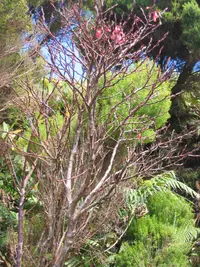
In the first 2–3 years, pinch or lightly head back the tallest young shoots in late winter to encourage a multi-stemmed, fountain-shaped shrub that is more wind-stable and floriferous.

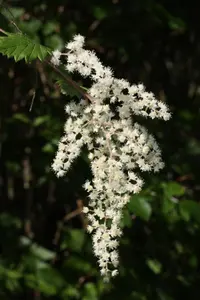
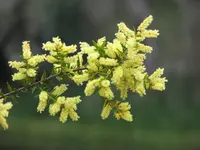
Oceanspray, Holodiscus discolor, is a deciduous shrub native to the western regions of North America. It is often found on forest edges, rocky slopes, and stream banks. The plant forms arching stems with clusters of small, creamy white flowers that turn a warm tan as they age, giving a soft, cascading look. Foliage is small, lobed, and slightly toothed, creating a fine texture in the landscape. This shrub adapts well to different soils and is fairly drought tolerant once established, which makes it reasonably easy to manage. Those who want to learn how to care for oceanspray should know it prefers sun to light shade and soil that drains well but does not stay dry for long periods.

Care Difficulty
Easy Care

Light Preference
Full Sun

Water Requirements
Moderate Water

Temperature Preference
Cold Hardy

Hardiness Zone
5–9

Soil Texture
Sandy, Loamy, Rocky

Soil pH
Acidic (5.5–6.5), Slightly acidic (6.5–7.0)

Soil Drainage
Well-drained

Fertilization
Minimal (feed rarely)
Scan your plant to receive care tips personalized for your specific plant
Available on iOS and Android
This shrub prefers bright outdoor light with a balance of sun and shade for dense growth and good flowering.
This species prefers evenly moist, well-drained soil while establishing, then becomes fairly drought-tolerant.
This hardy shrub tolerates a wide outdoor temperature range but grows best in mild conditions.
This species is adapted to moderately dry air and usually does not need special humidity control outdoors.
This shrub prefers well-drained, moderately fertile mineral soils but adapts to a range of field conditions.
This species can be grown in containers for several years but performs best when given ample root space outdoors long term.
This native shrub, often called oceanspray, usually needs only modest feeding when grown in poor or depleted soils.
Thoughtful pruning helps maintain healthy structure and good flowering on Holodiscus discolor.
This shrub is usually grown in the ground, so focus on careful transplanting rather than frequent repotting.
Propagation of this shrub is commonly done from cuttings and seeds with attention to timing and moisture.
This species is generally cold hardy in much of its range and usually needs minimal winter attention in the ground.

Plant Health Check
Not sure what's wrong with your plant? Check your plant's health inside the app.
This shrub flowers from early to mid-summer, often after many spring shrubs are finished, providing an important nectar and pollen source for native bees, hoverflies, and butterflies along the Pacific coast.
It readily colonizes disturbed slopes and open forest edges in its native range from British Columbia to California, where its dense, fibrous roots help stabilize soil and reduce erosion after logging or fire.
Its tiny seeds typically germinate only when exposed to light on or near the soil surface, which helps direct new seedlings into open, recently disturbed microsites rather than dense shade.

Indigenous peoples of the Pacific Northwest, including Coast Salish and other groups, traditionally used the hard, resilient wood of this shrub for items that needed strength and flexibility, such as digging sticks and tool handles, reflecting long-term cultural knowledge of its mechanical properties.
This shrub grows at a moderate rate, usually adding 20–40 cm of new growth per year once established. Growth slows in poor, dry, or compacted soil and in deep shade, and improves with consistent moisture and mulch.
Keep your plants happy and healthy with plant identification, disease detection, and easy care guidance.