hairy wattle Care (Acacia vestita)

hairy wattle

About hairy wattle

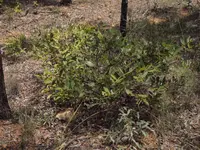
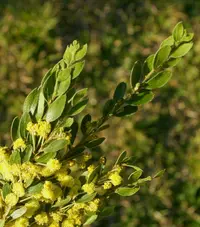
Hairy wattle, Acacia vestita, is a compact evergreen shrub from southeastern Australia, valued for its fine, pendulous branches and dense, grey-green, hairy foliage. In late winter to spring, it produces masses of small, golden-yellow, ball-shaped flowers that cover the stems and create a soft, cloud-like effect.

This species suits mild climates and is often used in coastal or Mediterranean-style gardens. It prefers sunny, well-drained positions and tolerates poor soils once established. Understanding how to care for hairy wattle mainly involves providing good light, avoiding waterlogged soil, and allowing enough space for its natural arching shape.

Main Plant Requirements

Care Difficulty

Moderate Care

Light Preference

Full Sun

Water Requirements

Low Water

Temperature Preference

Warm Climate

Hardiness Zone

9–11

Soil Texture

Sandy, Loamy, Rocky

Soil pH

Slightly acidic (6.5–7.0), Neutral (7.0)

Soil Drainage

Well-drained

Fertilization

Minimal (feed rarely)

Get Personalized Care Plan

Scan your plant to receive care tips personalized for your specific plant

Available on iOS and Android

How to Care for the hairy wattle

Acacia vestita prefers bright, direct sun in mild climates to flower and stay compact.

  • Provide 6–8 hours of direct sun daily, ideally with morning sun and light afternoon shade in very hot, dry regions.
  • Plant hairy wattle in an open, unshaded spot; too much shade causes leggy growth and sparse blooms.
  • In summer, protect from intense reflected heat; in winter, ensure at least 4–5 hours of sun so the plant maintains vigor.

This drought-tolerant shrub needs infrequent, deep watering once established.

  • Outdoors in the ground, water only when the top 5–8 cm of soil is dry, soaking the root zone and then letting it drain fully.
  • Use sharply draining soil; prolonged wetness, sour smell, or yellowing, soft leaves indicate overwatering and possible root rot.
  • In hot, dry periods increase frequency slightly; in cool or rainy seasons reduce watering and rely more on natural rainfall around Acacia vestita.

This species prefers warm, dry conditions and does not perform well in hard frost.

  • Ideal growth occurs around 65–80°F (18–27°C), similar to a mild, dry Mediterranean-type climate.
  • It can tolerate brief dips to about 25°F (−4°C), but young plants and new growth are easily damaged by frost.
  • In hot spells above 95°F (35°C), protect from reflected heat and hot winds to reduce stress and foliage scorch.

Acacia vestita prefers relatively dry air and usually does not need special humidity management indoors.

  • Aim for 30–50% humidity, similar to most heated or air-conditioned homes, for stable growth of hairy wattle.
  • Plant reacts to excess humidity with limp new growth, blackening stem bases, or persistent leaf spotting.
  • If indoor air exceeds 60% humidity, increase air movement with a fan and avoid crowding plants to reduce fungal problems.

Acacia vestita grows best in lean, fast-draining, slightly sandy soil that never stays waterlogged.

  • Use a mix of roughly 50% coarse sand or grit, 30–40% loam, and 10–20% fine bark or compost to balance drainage and structure.
  • Keep pH slightly acidic to neutral, around 6.0–7.0, avoiding strongly acidic peat-heavy mixes that hold excessive moisture.
  • Improve aeration by adding perlite or pumice instead of more compost if the mix feels heavy or compacts after watering.
  • Avoid dense clay, unamended garden soil, or containers without sharp drainage, as standing water quickly leads to root decline in Acacia vestita.

This species can be grown successfully in containers when its fast-draining, shallow-rooted habit is considered.

  • Choose a wide, relatively shallow pot so the spreading root system can anchor the plant without excessive wet depth.
  • Use a heavier material such as terracotta or ceramic to counter the top-heavy, shrubby canopy in windy spots.
  • Elevate the pot slightly on feet or blocks so drainage holes clear surfaces and water exits quickly after rain or irrigation.

Acacia vestita is adapted to low-nutrient soils and needs only light, occasional feeding in cultivation.

  • Use a low-phosphorus, balanced NPK fertilizer or well-aged compost, as many Australian acacias are sensitive to high phosphorus levels.
  • Feed once in early spring and again in mid-summer during active growth; avoid additional doses if growth is already strong.
  • Apply at half the label strength for container plants, on pre-moistened soil, to reduce root burn risk.
  • Skip feeding in late fall and winter, when hairy wattle growth naturally slows, to avoid weak, frost-tender shoots.

Pruning helps maintain shape and flowering performance in Acacia vestita without making it high-maintenance.

  • Carry out main pruning just after flowering in late winter or early spring so buds for the next season are not removed.
  • Use clean, sharp bypass pruners to remove dead, damaged, crossing, or overly crowded branches at their origin.
  • Shorten long, leggy shoots by up to one-third to keep a compact, bushy outline and encourage more flowering tips.
  • Avoid cutting into old, bare wood with no green foliage, as this species may not reshoot reliably from hard stubs.

This species is more often planted out than kept long term in containers, so focus on careful transplanting at the right stage.

  • Transplant young plants in late winter to early spring, once frost risk has passed and soil is workable, to support quick establishment.
  • Look for circling roots at the drainage holes or slowed top growth as a sign a potted plant needs a larger container or ground planting.
  • Move up only 1 pot size, using a very free-draining mix, and gently tease out circling roots instead of breaking the root ball harshly.
  • Water thoroughly after transplanting, then keep soil lightly moist, shaded from harsh sun and wind for 1–2 weeks to limit transplant shock.

This wattle is commonly propagated from seed, with semi-hardwood cuttings used where clonal plants are needed.

  • Collect ripe seed pods, extract seeds, and use hot-water treatment (brief soak in just-boiled water, then 12–24 hours cooling) to break hard seed coat dormancy.
  • Sow treated seeds in a gritty, free-draining mix in late winter to spring, keeping temperatures around 65–75°F for steady germination.
  • For cuttings, take semi-hardwood tips in late summer, use rooting hormone, and place in a humid, bright but sun-sheltered environment.
  • Maintain gentle bottom warmth if possible and avoid waterlogging, as excess moisture quickly rots both seeds and cuttings.

Mature plants tolerate light frost but young Acacia vestita benefit from simple winter protection in colder climates.

  • In regions colder than USDA zone 9, grow Acacia vestita in containers that can be moved into a bright, cool, frost-free space for winter.
  • Apply a 5–8 cm mulch layer around the root zone in late fall, keeping it slightly away from the trunk to limit rot.
  • In exposed sites, use a breathable frost cloth over the canopy during freezing nights to reduce leaf and stem damage.

Care Tips

Wind-hardening young plants

Plant young shrubs in a moderately exposed spot or gradually move container plants into breezier conditions over 2–3 weeks so stems thicken and better resist wind damage as they mature.

Low-branch management

Remove only a few of the lowest, most congested branches each year after flowering to lift the canopy slightly, improving air movement and making it easier to weed and mulch around the base without stressing the plant.

Staking for form

On young or slightly leaning plants, use one or two low, flexible stakes and soft ties set at an angle to gently guide the main stems upright for 1–2 seasons, then remove supports once wood has hardened.

Root-run protection

Lay a 5–8 cm ring of coarse gravel or stone just outside the root zone if the site is in a public or high-traffic garden, which discourages foot traffic and soil compaction over the shallow feeder roots.

Post-flower seed control

If self-seeding is not desired, shear off spent flower clusters before pods develop, which keeps the shrub tidier and directs more energy into vegetative growth when growing hairy wattle in smaller gardens.

Common Pests and Diseases

Gall rust

This disease causes swollen, woody galls on stems and branches that can distort growth and weaken the plant over time. Symptoms include rough, knotty swellings that may crack and allow entry for other pathogens.

Solution

Prune out affected stems well below the galls using clean, sterilized tools and dispose of the material in the trash, not in compost. Maintain good airflow through the canopy, avoid overhead watering, and monitor nearby acacias for early gall formation so it can be removed promptly.

Acacia psyllids

These insects are small sap-sucking bugs that cause leaf yellowing, cupping, and sticky honeydew on foliage, sometimes followed by sooty mold. This pest often gathers on young shoots and the undersides of leaves where growth is soft.

Solution

Spray foliage with a strong stream of water to dislodge nymphs, then treat undersides of leaves with insecticidal soap or a light horticultural oil, repeating every 7–10 days as needed. Encourage natural predators such as lady beetles and avoid high-nitrogen fertilizing, which promotes the soft new growth psyllids prefer.

Scale insects

These insects appear as small, dome-shaped or oval bumps on stems and leaf bases and can cause gradual yellowing, leaf drop, and stunted growth. This pest often produces honeydew, which can lead to black sooty mold on stems and foliage.

Solution

Wipe or gently scrape off individual scales on light infestations and prune out heavily encrusted twigs. For broader infestations, apply horticultural oil thoroughly to stems and leaf bases during mild weather, ensuring full coverage to smother both adults and crawlers.

Armillaria root and collar rot

This disease causes progressive decline, including leaf yellowing, dieback of branch tips, and eventual plant death, usually in poorly drained or previously diseased soils. Symptoms include white fungal sheets under the bark near the base and sometimes clusters of honey-colored mushrooms at the soil line.

Solution

Remove and destroy severely affected plants, including as much of the root system as possible, and avoid replanting acacia in the same spot. Improve drainage, avoid overwatering, and keep mulch and organic debris away from the trunk base to reduce humidity around the collar area and limit infection risk.

Twig and branch dieback

This disease leads to sudden browning and death of shoot tips or whole small branches, often starting after stress such as drought or physical damage. Symptoms include sunken, discolored bark at the dieback margin and dry, brittle wood beyond the affected area.

Solution

Prune back affected twigs to healthy green wood, sterilizing tools between cuts, and discard all infected material. Reduce stress by watering deeply but infrequently in dry periods, avoiding heavy pruning during extreme heat or frost, and maintaining a well-drained site to support recovery and long-term Acacia vestita care.

Interesting Facts

Distinctive hairy foliage

This species has narrow, grey-green phyllodes (leaf-like structures) densely covered with fine hairs, which help reduce water loss and reflect harsh sunlight in its native New South Wales habitats.

Fragrant pompom blooms

It produces dense clusters of bright yellow, spherical flower heads along the stems in late winter to spring, creating a strongly scented display that attracts a wide range of pollinating insects.

Adapted to poor soils

Like many wattles, this species forms root nodules with nitrogen-fixing bacteria, allowing it to grow in low-nutrient, sandy or gravelly soils and contribute nitrogen to the surrounding ecosystem.

Botan icon

Did you know?

In some parts of southern Australia and mild coastal regions elsewhere, Acacia vestita has been used as a fast-establishing windbreak and shelterbelt shrub because its dense, finely divided canopy and flexible, hairy shoots help diffuse wind and protect more sensitive plants behind it.

FAQs about hairy wattle

Lack of flowers usually comes from insufficient light, pruning at the wrong time, or excess nitrogen fertilizer. Avoid hard pruning after flower buds form, keep fertilizer low in nitrogen, and ensure strong sun exposure for reliable flowering.

Grow Healthy Plants with Botan Care

Keep your plants happy and healthy with plant identification, disease detection, and easy care guidance.

Botan plant care app — identify plants on mobile

Explore More Plants