small black blueberry Care (Vaccinium tenellum)

Also known as: Southern Dwarf Blueberry, Narrowleaf Blueberry
small black blueberry

About small black blueberry

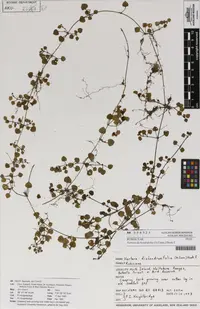
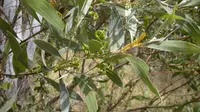
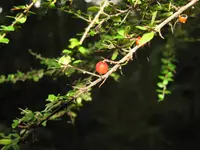
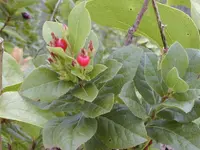
Vaccinium tenellum, commonly called small black blueberry, is a low, bushy shrub in the heath family that produces small dark berries. It typically forms loose colonies with fine branches and small, simple leaves. Native to the southeastern United States, it is usually found in dry, open pine woods and sandy, acidic soils. The plant is adapted to poor, low-nutrient sites and can handle periodic drought once established, which makes it relatively forgiving in suitable conditions. It prefers sun to light shade, consistent moisture during establishment, and acidic, well-drained soil, which are key points when learning how to care for small black blueberry.

Main Plant Requirements

Care Difficulty

Moderate Care

Light Preference

Partial Sun

Water Requirements

Regular Water

Temperature Preference

Cold Hardy

Hardiness Zone

6–9

Soil Texture

Sandy, Loamy, Organic-rich

Soil pH

Strongly acidic (4.5–5.5), Acidic (5.5–6.5)

Soil Drainage

Moist but well-drained

Fertilization

Minimal (feed rarely)

Get Personalized Care Plan

Scan your plant to receive care tips personalized for your specific plant

Available on iOS and Android

How to Care for the small black blueberry

This lowbush blueberry thrives in bright, cool exposure with some protection from intense midday sun.

  • Provide 4–6 hours of direct morning sun with light afternoon shade; dappled light under open trees suits small black blueberry well.
  • Tolerates partial shade (as low as 2–3 hours of direct sun), but flowering and fruiting drop when light is below this for long periods.
  • In hotter regions, shield from strong sun between 11 a.m. and 4 p.m. to prevent leaf scorch and moisture stress, especially in summer.

This species prefers consistently moist, acidic, well-drained soil and is sensitive to both drought and standing water.

  • Water when the top 2–3 cm of soil feels slightly dry, aiming for evenly moist but never soggy conditions around the root zone.
  • During hot, dry periods, check soil every 1–2 days; in cool or rainy seasons, allow slower drying and skip watering if soil remains damp.
  • Wilting, dull leaves, and dry, crumbly soil indicate underwatering, while yellowing leaves, weak growth, and sour-smelling, saturated soil suggest overwatering.

This lowbush blueberry handles a wide temperature range but grows best in cool to mild conditions.

  • Active growth is strongest around 60–75°F (16–24°C); extended heat above 85°F (29°C) can reduce flowering and stress the plant.
  • Dormant plants tolerate winter lows near 0°F (−18°C), and many populations survive brief drops below this when soils are not waterlogged.
  • In summer, mulch roots to buffer soil temperatures and reduce heat stress; avoid planting in reflected heat pockets near walls or pavement.

This species handles typical outdoor humidity but prefers slightly moist air during active growth.

  • Aim for 40–60% humidity, which is common outdoors in many regions where small black blueberry can be grown.
  • Leaves that brown at the edges and curl while soil is evenly moist may signal air that is too dry or hot.
  • Increase local humidity outdoors by mulching the root zone and grouping shrubs, which slows evaporation around the plant.

Vaccinium tenellum needs acidic, well-drained, organic-rich soil that still holds consistent moisture.

  • Use a loose mix such as 50–70% pine bark fines plus peat or coco coir, with the rest sharp sand for structure.
  • Target a soil pH of 4.0–5.5; avoid alkaline or limed soils that cause nutrient lockout and chlorosis (yellow leaves).
  • Ensure fast drainage yet moisture retention by avoiding heavy clay and adding coarse materials that create air pockets around roots.
  • Maintain a 5–8 cm layer of acidic mulch, such as pine needles, to protect surface roots and stabilize moisture.

This shrub can be grown in containers if the pot allows for a broad, shallow root system and consistent moisture control.

  • Choose a wide container at least 30–40 cm across so the fibrous roots can spread rather than grow deeply.
  • Use a heavier or weighted pot in windy sites to keep the branching shrub from tipping as it matures and fruits.
  • Raise the container slightly on feet or bricks so drainage holes stay clear and water does not pool under the base.

Vaccinium tenellum benefits from light, targeted feeding on acidic soils but does not need heavy fertilization.

  • Use an acid-forming, slow-release fertilizer or compost labeled for blueberries, not a general lawn product.
  • Apply a balanced, low-rate NPK at 1/2 strength in early spring, then once more in late spring during active growth.
  • Avoid feeding in late summer or fall to prevent soft growth that may winter-kill; stop completely during winter dormancy.
  • Mulch with pine bark or needles to add mild organic nutrition and support caring for small black blueberry in acidic conditions.

Thoughtful pruning keeps Vaccinium tenellum productive, compact, and easy to harvest.

  • Time main pruning for late winter to very early spring, before buds break.
  • Remove dead, diseased, crossing, and very low or inward-growing stems with clean bypass pruners.
  • Thin the oldest, woodiest canes at the base to encourage new, fruitful shoots and better light penetration.
  • Lightly shorten overly long stems to refine shape while maintaining plenty of young, vigorous wood.

This shrub is usually grown in the ground, so focus on careful outdoor transplanting rather than frequent repotting.

  • Transplant in early spring or early fall, when weather is cool and soil moisture is stable.
  • Look for signs such as roots circling the pot, water running off quickly, or slowed shoot growth before moving container plants.
  • Shift to a slightly larger container or planting hole with acidic, well-drained mix, keeping the root ball at the same soil level.
  • Water thoroughly after transplanting, shade for a few days if conditions are hot, and keep soil evenly moist to limit root stress.

Vaccinium tenellum is commonly propagated vegetatively to maintain desirable fruit traits.

  • Take semi-hardwood stem cuttings in late summer, 7–10 cm long, with 2–3 nodes each.
  • Use a well-drained, acidic medium, apply rooting hormone, and keep humidity high with bright, indirect light.
  • Try simple layering in spring by pegging low, flexible stems under soil until well rooted, then separate.
  • Seed propagation is possible but slow; stratify seeds cool and moist for several weeks before sowing.

This species is generally cold hardy in much of its range and needs only modest winter care in the landscape.

  • In colder zones, apply a 5–8 cm layer of pine bark or needle mulch over the root zone for insulation.
  • Avoid heavy pruning or nitrogen feeding late in the season so new growth hardens before freezing weather.
  • Move container-grown plants into a sheltered, unheated but frost-moderated spot to reduce root and pot damage.

Care Tips

Use Mycorrhizal Inoculant

At planting time, dust the root ball and planting hole with an ericoid mycorrhizal inoculant to improve water and nutrient uptake in acidic, low‑fertility soils.

Mulch For Root Cooling

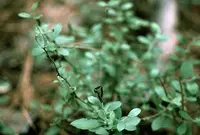
Maintain a 5–8 cm layer of pine bark or pine needle mulch over the root zone, keeping it a few cm away from the stems, to keep roots cool, conserve moisture, and suppress weeds without raising soil pH.

Cluster Planting Strategy

Plant several genetically different small black blueberry shrubs within 1–2 m of each other to improve cross‑pollination, which supports heavier fruit set and more uniform berry size.

Targeted Bird Protection

Install lightweight bird netting over a simple PVC or wooden frame just before berries begin to color, securing it at the base so birds cannot reach ripening fruit while still allowing pollinators access earlier in the season.

Post‑Harvest Renovation

Every 3–4 years after harvest, selectively remove 1–3 of the oldest, thickest stems at ground level to renew the plant’s framework and maintain productive, fine twig growth for growing small black blueberry.

Common Pests and Diseases

Blueberry maggot

This pest is the larva of a small fly that develops inside ripening berries, causing them to soften, collapse, and become unmarketable. Symptoms include prematurely dropping fruit with brown, tunneling damage inside.

Solution

Monitor fruit with yellow sticky traps or baited sphere traps starting just before berries begin to color, and harvest promptly so ripe fruit does not remain on the shrub. Where infestation is confirmed, remove and destroy infested berries, keep the area under plants clean of dropped fruit, and use a targeted spinosad-based fruit spray according to label directions, timed from early egg laying until just before harvest.

Mummy berry

This disease is caused by a fungus that infects young shoots and flowers, later turning berries into hard, shriveled, white to tan “mummies.” Symptoms include blighted new shoots that bend over like a hook and early-season flower death, followed by mummified berries later in summer.

Solution

Rake up and remove all mummified berries from under and within shrubs in fall and winter to reduce fungal spores. During spring bud break and bloom, keep overhead watering to a minimum, improve air movement around plants by light pruning, and in areas with a known history of the disease consider applying a labeled fungicide (such as those containing propiconazole) during early bloom, strictly following local extension recommendations for Vaccinium tenellum care.

Botrytis blossom blight

This disease develops in cool, wet weather during bloom and affects flowers and young shoots, which turn brown, water-soaked, and may show gray fuzzy mold. Symptoms include poor fruit set and clusters of dead blossoms that remain attached.

Solution

Increase sunlight and air circulation by thinning crowded stems and removing nearby dense weeds or groundcover. Avoid overhead irrigation during bloom, especially late in the day, remove and dispose of blighted flower clusters and shoots, and in regions with frequent cool, wet springs consider a preventive bloom-time spray with a labeled botrytis fungicide following local extension guidance.

Blueberry leaf spot

This disease, often caused by fungi such as Septoria, produces small circular tan to gray spots with darker margins on leaves, which can merge and cause early leaf drop. Symptoms include thinning foliage and reduced vigor, especially late in the season.

Solution

Collect and discard fallen leaves in autumn to lower the amount of fungal inoculum and keep mulch thin enough that leaves dry quickly after rain. Improve air flow with light pruning, avoid wetting foliage when irrigating, and if defoliation becomes severe in consecutive years, use a labeled foliar fungicide starting just after leaf-out according to regional small-fruit recommendations.

Blueberry aphids

These insects are small, soft-bodied sap feeders that cluster on young shoots and leaf undersides, causing curling or distorted growth and sticky honeydew deposits. This pest can also transmit viruses between blueberry plants.

Solution

Regularly check shoot tips and leaf undersides in spring and early summer and prune out heavily infested soft growth when practical. Encourage natural predators like lady beetles, wash colonies off with a firm stream of water, and if populations remain high, apply an insecticidal soap or horticultural oil thoroughly to leaf undersides, repeating as needed according to label directions.

Interesting Facts

Specialist bee resource

Dwarf huckleberry flowers are an important nectar and pollen source for southeastern specialist bees that are adapted to blueberry relatives, supporting early-season pollinator communities in pine flatwoods and sandhill habitats.

Fire-adapted shrub

This species often survives and re-sprouts after low-intensity fires in its native coastal plain ecosystems, taking advantage of increased light and reduced competition in recently burned pine forests.

Soil acidity preference

Dwarf huckleberry naturally occurs in strongly acidic, well-drained sands of the southeastern US coastal plain, and its distribution closely tracks these low-pH soils rather than temperature limits.

FAQs about small black blueberry

The fruit is edible and similar to other wild blueberries, though usually smaller. Berries are eaten fresh, cooked, or processed into jams and desserts. As with all wild fruit, avoid consumption if the plant was exposed to pesticides.

Grow Healthy Plants with Botan Care

Keep your plants happy and healthy with plant identification, disease detection, and easy care guidance.

Botan plant care app — identify plants on mobile

Explore More Plants