Mulch For Roots
Apply a 3–5 cm layer of fine bark or shredded leaf mulch around the base, keeping it 3–5 cm away from stems, to stabilize soil moisture and keep the shallow roots cool and protected.

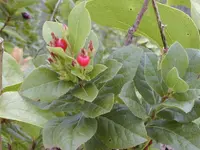
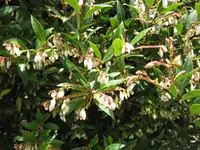
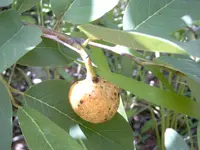
Ohelo kau la'au (Vaccinium calycinum) is a small, evergreen shrub in the blueberry family, native to higher elevations in Hawaii. It typically forms low, bushy mounds with small, leathery leaves and delicate, urn-shaped flowers that ripen into colorful berries.
In nature it grows in open, cool, often misty habitats on volcanic soils. It tends to be slow-growing and somewhat specialized, which can make it challenging for beginners.
Ohelo kau la'au prefers cool conditions, acidic, well-drained soil, and consistent moisture without waterlogging. Gardeners who understand these needs find it easier to care for ohelo kau la'au in suitable climates.

Care Difficulty
Moderate Care

Light Preference
Partial Shade

Water Requirements
Keep Soil Moist

Temperature Preference
Tropical / Frost Sensitive

Hardiness Zone
11–12

Soil Texture
Sandy, Loamy, Organic-rich

Soil pH
Strongly acidic (4.5–5.5), Acidic (5.5–6.5)

Soil Drainage
Moist but well-drained

Fertilization
Minimal (feed rarely)
Scan your plant to receive care tips personalized for your specific plant
Available on iOS and Android
This Hawaiian shrub prefers bright, gentle light that mimics its native understory habitat.
This species prefers evenly moist, cool soil and does not tolerate extended drought or waterlogging.
This plant performs best in mild, frost-free climates with stable, moderate temperatures.
This Hawaiian blueberry shrub prefers steady moderate humidity and reacts to very dry air.
This species needs acidic, well-drained, organic-rich soil that stays moist but never waterlogged.
This shrub can grow successfully in containers when moisture and acidity are managed carefully.
This Hawaiian blueberry relative grows best in lean, acidic soils and needs only light, targeted feeding.
Vaccinium calycinum responds well to light maintenance pruning to keep plants healthy and compact.
This species is more often planted in the ground than grown in containers, so focus on careful site transplanting.
Vaccinium calycinum is usually propagated by semi-hardwood cuttings or seeds under controlled conditions.
This Hawaiian native prefers mild, frost-free conditions and has low tolerance for hard freezes.

Plant Health Check
Not sure what's wrong with your plant? Check your plant's health inside the app.
This species is native only to Hawaii, where it grows in wet and mesic forests on several islands, unlike many other blueberries that are widespread across continents.
Its small, dark berries are eaten by native forest birds, which then disperse the seeds in their droppings, helping maintain understory plant diversity in Hawaiian ecosystems.
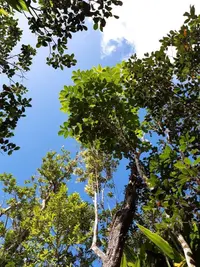
It commonly grows beneath ohia lehua (Metrosideros polymorpha) canopies, forming part of the native shrub layer that stabilizes soil and supports a complex forest community.
Yes. The small red berries are edible and traditionally gathered in Hawaii for fresh eating, jams, and desserts. Flavor ranges from tart to mildly sweet. Only harvest from clean, pesticide‑free plants and avoid damaging wild populations.
Keep your plants happy and healthy with plant identification, disease detection, and easy care guidance.