


Pinch For Bushiness
Regularly pinch 2–3 cm from soft shoot tips in spring and early summer to keep plants compact, delay flowering slightly, and encourage a denser canopy of flavorful leaves.

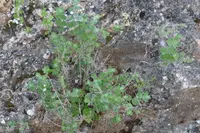
Syrian oregano, Origanum syriacum, is a perennial herb in the mint family, grown for its aromatic leaves and dense clusters of white to pale pink flowers. It forms a bushy, woody-based plant with gray-green, slightly fuzzy foliage that releases a strong, warm scent when touched.
This species is native to the Eastern Mediterranean, including Syria, Lebanon, Israel, and surrounding regions, where it grows in sunny, rocky hillsides. Its tolerance of heat, drought, and poor, well-drained soils makes it relatively easy to grow in many home gardens.
Gardeners who care for Syrian oregano appreciate its resilience, strong flavor, and suitability for both ornamental and culinary use. It performs best in bright light with moderate watering and freely draining soil.

Care Difficulty
Easy Care

Light Preference
Full Sun

Water Requirements
Low Water

Temperature Preference
Warm Climate

Hardiness Zone
9–11

Soil Texture
Sandy, Loamy, Rocky

Soil pH
Slightly acidic (6.5–7.0), Slightly alkaline (7.0–7.5)

Soil Drainage
Well-drained

Fertilization
Minimal (feed rarely)
Scan your plant to receive care tips personalized for your specific plant
Available on iOS and Android
This sun-loving Mediterranean herb thrives with strong, direct light in most temperate gardens.
This drought-tolerant perennial prefers infrequent, deep watering and fast-draining soil.
This herb performs best in warm, dry conditions and dislikes prolonged cold or high humidity.
This species handles typical indoor humidity well and rarely needs special adjustments.
This plant prefers lean, mineral, fast-draining soil that mimics a dry Mediterranean hillside.
This species is well suited to container growing on sunny patios, balconies, or steps.
This drought-tolerant herb needs only modest feeding to stay productive in most garden soils.
Pruning keeps Origanum syriacum compact, leafy, and productive for culinary use.
This herb tolerates container culture but is more often transplanted into well-drained garden beds.
New plants are commonly produced by cuttings, division, or seeds.
This Mediterranean herb has limited frost tolerance and benefits from simple winter precautions in colder climates.

Plant Health Check
Not sure what's wrong with your plant? Check your plant's health inside the app.
This species is a traditional primary ingredient of the Levantine herb blend known as za'atar, where its dried leaves contribute a strong, warm, and slightly resinous aroma distinct from common culinary oregano.
In its native Eastern Mediterranean range, this plant naturally grows on rocky, sun-exposed slopes with shallow, lime-rich soils, showing strong drought tolerance and an ability to thrive in low-organic, well-drained substrates.
Its essential oil is typically rich in phenolic compounds such as thymol and carvacrol, giving it a sharper, more pungent profile than many other oregano species and making it of interest in food preservation and flavor research.

Pollen analysis from archaeological sites in the Eastern Mediterranean indicates that this species has been associated with human settlements for thousands of years, suggesting long-term use as a culinary and aromatic herb in early agricultural societies.
The leaves and flowering tops are edible and widely used as a culinary herb in blends like za’atar. Use fresh or dried, but harvest before heavy flowering for the strongest aroma and flavor.
Keep your plants happy and healthy with plant identification, disease detection, and easy care guidance.

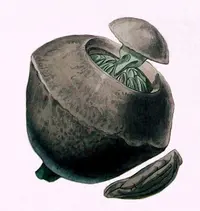
paradise nut
Lecythis zabucajo
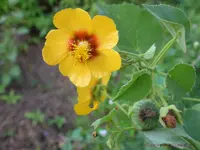
Florida Keys Indian mallow
Abutilon hirtum
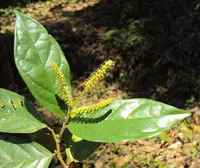
Antidesma obliquinervium
Antidesma montanum
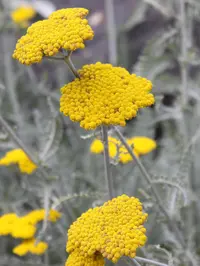
moonshine yarrow
Achillea clypeolata
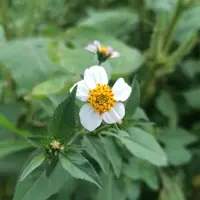
hairy beggarticks
Bidens pilosa
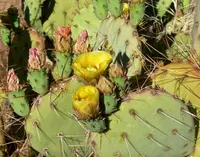
tulip pricklypear
Opuntia phaeacantha
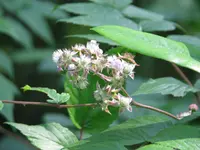
White-stemmed Bramble
Rubus cockburnianus
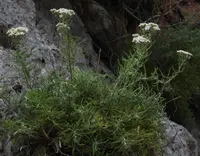
Chamomile-leaved Lavender-cotton
Achillea cretica