Deep container choice
Use a tall, heavy container with ample depth to accommodate the strong taproot and prevent the tree from becoming top-heavy and tipping as it gains height.

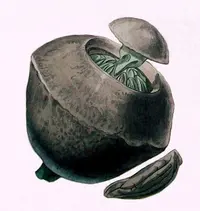
Paradise nut, Lecythis zabucajo, is a large evergreen tree from tropical South America, related to the Brazil nut. In nature it forms a tall, dense canopy and produces large, woody pods filled with edible seeds.
The tree has glossy green leaves and a straight trunk, so it is usually grown outdoors in warm, frost-free climates or in spacious botanical collections. It is considered challenging for small homes because of its eventual size and slow response to container culture.
This species prefers consistently warm temperatures, ample light, and evenly moist but well-drained soil. Understanding how to care for paradise nut starts with recognizing its long-term space and climate needs.

Care Difficulty
Hard Care

Light Preference
Full Sun

Water Requirements
Regular Water

Temperature Preference
Tropical / Frost Sensitive

Hardiness Zone
11–12

Soil Texture
Loamy, Sandy, Organic-rich

Soil pH
Acidic (5.5–6.5), Slightly acidic (6.5–7.0)

Soil Drainage
Moist but well-drained

Fertilization
Minimal (feed rarely)
Scan your plant to receive care tips personalized for your specific plant
Available on iOS and Android
This tropical tree needs bright, stable light conditions to grow and fruit well outdoors in warm climates.
This species prefers consistently moist but not saturated soil, especially during active growth in warm seasons.
This lowland tropical tree needs warm, frost-free conditions year-round for reliable growth and flowering.
This species prefers consistently moist air but adapts if basic humidity needs are met.
This tree requires deep, well-aerated, fast-draining soil to support its extensive root system.
This species can be grown in large containers when kept smaller than its typical tree size.
This tropical tree grows reasonably well in fertile soil but responds to modest, balanced feeding in containers or managed plantings.
Pruning Lecythis zabucajo is mainly structural and sanitary, aimed at maintaining a stable, well-lit canopy.
This tree is most often transplanted from nursery containers into the ground rather than maintained long term in pots.
New plants are typically raised from seed, as vegetative methods for this species are slow and often unreliable.
This tropical species is frost sensitive and needs protection in climates with cool or freezing winters.

Plant Health Check
Not sure what's wrong with your plant? Check your plant's health inside the app.
This species produces large, nearly spherical woody fruits that can reach the size of a small cannonball and take many months to mature on the tree before eventually releasing their seeds.
In its native Amazon forests, the heavy fruits fall to the ground and crack open, where rodents and other ground-dwelling animals feed on and disperse the large, oily seeds.
The seeds, known locally as paradise nuts, are rich in edible oil and have been traditionally harvested in parts of northern South America as a regional food and oil source, although they are far less commercialized than Brazil nuts.

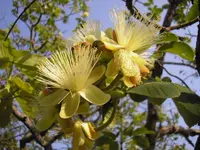
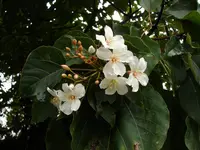
The flowers of this tree are strongly zygomorphic, meaning they have a single plane of symmetry, and they form a complex structure that guides specific pollinators, mainly large bees, to contact the reproductive organs efficiently while searching for nectar.
Growth is moderate. Young trees usually add 30–60 cm in height per year under warm, consistently moist, nutrient-rich conditions. Cooler temperatures, container restriction, root damage, or irregular watering can slow extension growth and canopy development significantly.
Keep your plants happy and healthy with plant identification, disease detection, and easy care guidance.