pequi Care (Caryocar brasiliense)

Also known as: Pekea Nut
pequi

About pequi

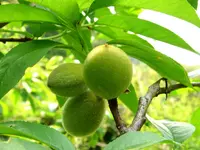
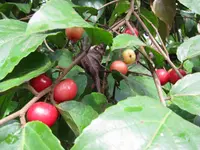
Pequi (Caryocar brasiliense) is a slow-growing evergreen tree native to the Brazilian Cerrado, a dry savanna ecosystem. It is mainly known for its aromatic, oil-rich fruits used in local cuisine and cosmetics.

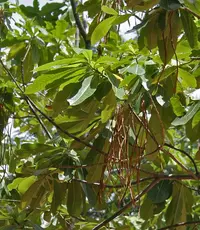
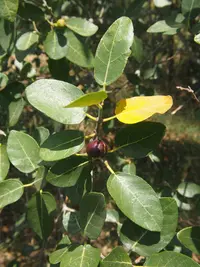
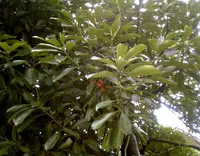
The tree develops a thick, often twisted trunk with a broad, irregular crown and leathery green leaves. It can reach substantial height outdoors, so it is not a typical small container plant.

Pequi prefers warm climates, strong light, and well-drained soil, and it dislikes prolonged cold or waterlogging. These traits make care for pequi more suitable for experienced growers or those in appropriate outdoor climates.

Main Plant Requirements

Care Difficulty

Hard Care

Light Preference

Full Sun

Water Requirements

Moderate Water

Temperature Preference

Tropical / Frost Sensitive

Hardiness Zone

11–13

Soil Texture

Sandy, Loamy, Organic-rich

Soil pH

Acidic (5.5–6.5), Slightly acidic (6.5–7.0)

Soil Drainage

Well-drained

Fertilization

Minimal (feed rarely)

Get Personalized Care Plan

Scan your plant to receive care tips personalized for your specific plant

Available on iOS and Android

How to Care for the pequi

This species is a full-sun tree that also tolerates light partial shade, especially when young.

  • Provide 6–8 hours of direct sun daily; morning sun with light afternoon shade is ideal in very hot, dry regions.
  • Young pequi trees benefit from 30–40% filtered shade cloth for the first 1–2 years to reduce leaf scorch.
  • Too little sun causes sparse growth and poor flowering, while intense all-day summer sun on shallow soils can burn leaves and stress roots.

Caryocar brasiliense prefers deep, infrequent watering that allows the soil surface to dry slightly between soakings.

  • In the ground, water when the top 3–5 cm of soil are dry, applying a slow, deep soak that moistens 20–30 cm down.
  • During hot, dry seasons, increase frequency but still allow partial drying; in cooler or rainy periods, reduce or skip watering.
  • Symptoms of overwatering include yellowing leaves and soft new growth; curled, dry leaf edges and slow growth indicate underwatering or very dry soil.

This cerrado tree thrives in warm climates and is sensitive to frost and prolonged cold.

  • Optimal growth occurs around 70–90°F (21–32°C), with best establishment when night temperatures stay above 60°F (16°C).
  • Mature trees may survive brief drops to about 32°F (0°C), but young plants can be damaged below 40°F (4°C) and should be protected.
  • Tolerates dry heat up to about 100°F (38°C) if soil moisture is adequate; avoid planting in low frost pockets or areas with long cool, wet periods.

This species prefers moderately dry air and usually adapts well to outdoor humidity in warm climates.

  • Aim for 40–60% humidity; avoid constantly damp, enclosed spaces that slow leaf drying.
  • Leaves that brown at tips or develop edge scorch during hot, very dry winds can indicate humidity stress combined with heat.
  • To buffer dry air, group plants with other shrubs, use windbreaks, or place a mulch layer to reduce rapid moisture loss.

Caryocar brasiliense prefers deep, well-drained, slightly acidic to neutral soil that stays aerated after heavy rain.

  • Use a sandy or sandy-loam mix with 30–40% coarse mineral material such as sharp sand or fine gravel to prevent compaction.
  • Incorporate 20–30% mature compost or aged manure for organic matter, but keep texture crumbly, not sticky or clay-like.
  • Target pH around 6.0–7.0; avoid highly alkaline mixes or those rich in unwashed wood ash that can raise pH excessively.
  • For container or landscape planting, avoid sites where water stands longer than 1–2 hours after rain and elevate beds if drainage is slow.

This tree can be grown in containers when young or kept dwarf, but it requires careful attention to root space and stability.

  • Choose a tall, heavy pot to provide depth for the taproot and reduce the risk of the container tipping in strong winds.
  • Select a thick-walled terracotta or other porous material if outdoor temperatures are high, to limit overheating and promote gas exchange in the root zone.
  • Raise the container slightly on feet so water exits quickly from drainage holes and does not re-enter through a saturated saucer.

Caryocar brasiliense benefits from moderate, well-timed feeding rather than heavy fertilization.

  • Use a balanced slow-release fertilizer (around 10-10-10) or well-rotted compost at the start of the warm growing season.
  • Apply once every 3–4 months during active growth, keeping granules away from the trunk flare.
  • Reduce or stop feeding in cooler months when growth slows to avoid weak, lanky shoots.
  • For container-grown pequi, use a diluted liquid balanced fertilizer at 1/2 strength every 4–6 weeks in spring and summer.

Pruning Caryocar brasiliense is mainly done to maintain structure and remove damaged growth.

  • Carry out light structural pruning at the end of the dry or cool season, just before vigorous growth resumes.
  • Remove dead, diseased, crossing, or inward-growing branches to improve airflow and reduce pest and disease pressure.
  • Thin congested interior branches rather than shortening all tips, which helps keep a strong central framework.
  • Use clean, sharp bypass pruners or a pruning saw, making smooth cuts just outside the branch collar.

This species is usually grown in the ground, so transplanting young trees matters more than repotting adults.

  • Transplant when roots circle the pot, growth slows, or the plant dries out very quickly after watering.
  • Plan moves for late spring to early summer, when soil is warm and Caryocar brasiliense can re-establish fastest.
  • Expect container plants to need a larger pot every 2–3 years while young, using a deep, well-drained mix.
  • Reduce root stress by watering well before and after transplanting, keeping the root ball intact, and shading temporarily if sun is intense.

New plants are usually raised from seed, and propagation is slow but feasible for patient growers.

  • Collect fully ripe fruits, clean seeds carefully, and sow soon after extraction for best viability.
  • Sow in a deep container with well-drained, slightly sandy mix, burying seeds just below the surface.
  • Keep temperatures warm (around 75–85°F), moisture even but not waterlogged, and provide bright, indirect light.
  • Germination may take several weeks or longer; once seedlings are sturdy, pot up individually without disturbing roots excessively.

This tropical tree is sensitive to frost and needs protection in regions with cold winters.

  • In the ground, add a 5–10 cm layer of organic mulch over the root zone, keeping it slightly away from the trunk.
  • Wrap young trunks with breathable fabric or frost cloth during cold snaps to limit bark damage.
  • Move container plants indoors or into a heated greenhouse before temperatures fall below 40°F, giving bright light and reduced watering.

Care Tips

Root-zone mulching

Apply a 5–8 cm layer of coarse organic mulch around the drip line, keeping it 5–10 cm away from the trunk, to stabilize soil temperature and moisture while protecting the shallow feeder roots from mechanical damage.

Wind and branch support

In exposed sites, use sturdy stakes and soft, wide ties on young trees and selectively shorten overly long lateral branches to reduce wind rock and lower the risk of limb breakage as the canopy becomes heavier.

Deep structural pruning

During the first 3–4 years, prune in the dry season to establish 3–5 well-spaced main scaffold branches at 60–90 cm height, which improves light penetration, fruit set, and long-term branch strength.

Flower and fruit thinning

When clusters are very dense, remove some flowers or small fruits by hand so the remaining fruits develop better size and reduce the chance of branches snapping under excessive weight.

Targeted microclimate management

In marginal climates, place young trees near a south- or west-facing wall and use frost cloth on cold nights to buffer temperature swings, which is especially helpful for those growing pequi outside its native range.

Common Pests and Diseases

Leaf-cutting ants

These insects cut and carry away leaf pieces, often leaving branches partially or completely defoliated and severely reducing flowering and fruiting.

Solution

Monitor trees regularly at dusk and early night, trace ant trails back to nests, and use targeted ant baits or granular ant control products placed along the trails and near nest entrances; keep the trunk base clear of tall grass and install sticky barriers or physical bands on young trunks to reduce access while beneficial insects and soil life are preserved.

Fruit borers

This pest tunnels into developing fruits, causing premature fruit drop, internal browning, and larvae or exit holes inside the pequi fruits.

Solution

Collect and destroy infested fallen fruits, prune and remove damaged fruiting branches after harvest, and use fine mesh bagging or netting on developing clusters where practical; in orchard settings, pheromone or light traps can be used to monitor adult moths or beetles and time any targeted biological insecticides, such as Bacillus thuringiensis, during early fruit development.

Leaf galls

Symptoms include small to large raised, swollen areas on leaves caused by mites or insects, which can distort young foliage and slightly reduce vigor in heavily affected trees.

Solution

Prune and dispose of heavily galled twigs and leaves, avoid excessive nitrogen fertilization that stimulates tender growth, and encourage natural predators by maintaining plant diversity around the tree; in severe, repeated attacks on young trees, apply a horticultural oil spray during early leaf flush to target mites or small gall-forming insects.

Powdery mildew

This disease produces white, powdery fungal patches on young leaves and shoots, which may cause leaf curling, yellowing, and reduced growth under humid, shaded conditions.

Solution

Improve sunlight exposure and airflow by selective pruning of dense inner branches, avoid wetting foliage when irrigating, and remove heavily infected leaves; if needed, apply a sulfur-based or potassium bicarbonate fungicide during early stages, repeating according to label directions to protect new growth as part of broader Caryocar brasiliense plant care.

Anthracnose

This disease causes dark, sunken spots with yellow halos on leaves, flowers, and sometimes young fruits, leading to leaf drop and blemished or aborted fruit under warm, wet conditions.

Solution

Rake and discard fallen leaves and infected plant debris, prune to open the canopy and dry foliage faster, and avoid overhead irrigation; during prolonged wet periods in orchards, protect susceptible young growth and flowering flushes with a copper-based fungicide applied preventively and repeated according to label guidance.

Interesting Facts

Specialized pollination partners

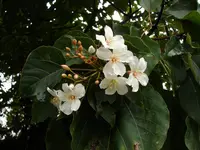
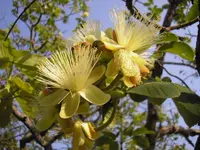
In its native Brazilian Cerrado, this tree is mainly pollinated by large bats that visit the nocturnal flowers for abundant nectar, making it a classic example of chiropterophily, or bat pollination.

Spiny but edible seeds

The yellow, oily pulp is eaten around a very hard endocarp lined with sharp spines, so the seeds are rarely handled directly despite the fruit being an important traditional food source.

Cerrado keystone resource

Its fruits ripen in the dry season, providing a crucial energy-rich food for wildlife and local communities when few other native fruits are available.

Botan icon

Did you know?

The species is so strongly associated with the Brazilian Cerrado that it is often called the symbol fruit tree of this biome, and traditional agroextractive systems built around its harvest are considered important models for combining biodiversity conservation with local livelihoods.

FAQs about pequi

Growth is slow to moderate. Seedlings often take several years to form a small tree and 8–10+ years to fruit. Warm temperatures, full sun, and deep, well-drained soil support growing pequi more vigorously.

Grow Healthy Plants with Botan Care

Keep your plants happy and healthy with plant identification, disease detection, and easy care guidance.

Botan plant care app — identify plants on mobile

Explore More Plants