Windfirm training
In the first 2–3 years, stake young trees and lightly tie the main stem to encourage a straight, wind-resistant trunk, removing the stake once the stem is self-supporting and does not rock at the base after strong breezes.

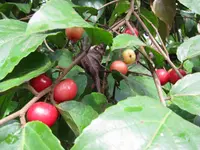
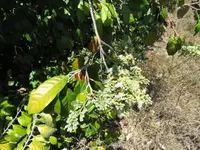
Indian plum, Flacourtia jangomas, is a small to medium fruit tree grown in tropical and subtropical climates. It is valued for its edible, tangy plums and dense branching canopy. The tree typically has glossy green leaves, small white flowers, and develops a rounded crown that suits orchards, larger gardens, and mixed food forests. It originates from South and Southeast Asia, where it is often grown as a multipurpose tree for fruit, light shade, and hedging. The species is generally hardy in warm climates but does best with consistent moisture, good drainage, and full sun. Understanding how to care for Indian plum starts with providing warmth and protection from frost.

Care Difficulty
Moderate Care

Light Preference
Full Sun

Water Requirements
Moderate Water

Temperature Preference
Tropical / Frost Sensitive

Hardiness Zone
10–12

Soil Texture
Sandy, Loamy, Organic-rich

Soil pH
Acidic (5.5–6.5), Slightly acidic (6.5–7.0)

Soil Drainage
Moist but well-drained

Fertilization
Minimal (feed rarely)
Scan your plant to receive care tips personalized for your specific plant
Available on iOS and Android
Flacourtia jangomas prefers bright outdoor light with some protection from intense midday sun.
Flacourtia jangomas prefers consistently moist but not waterlogged soil.
This subtropical fruit tree needs warm conditions and does not tolerate frost well.
Humidity plays a minor role for Flacourtia jangomas, which tolerates a broad range of conditions.
Flacourtia jangomas prefers moderately fertile, well-drained mineral soil with steady moisture but no standing water.
This species can be grown in containers for some years, especially in warm climates where outdoor space is limited.
This subtropical fruit tree benefits from modest feeding to support steady growth and cropping.
Pruning helps keep Flacourtia jangomas compact, productive, and easier to harvest.
This species is usually grown in the ground, so focus on careful transplanting rather than frequent repotting.
Flacourtia jangomas is commonly propagated from seed and semi-hardwood cuttings for orchard or home use.
This subtropical tree is frost-tender and needs winter protection in regions with temperatures near or below freezing.

Plant Health Check
Not sure what's wrong with your plant? Check your plant's health inside the app.
The Indian plum is both a naturally occurring understory tree in South and Southeast Asian forests and a deliberately planted orchard species, showing a wide ecological and cultivation range from village hedgerows to mixed fruit gardens.
This species often develops a clumping, multi-stemmed form with stout, scattered spines, which makes it useful as a living fence in rural landscapes while still producing edible fruit.
Its small, tart drupes are commonly eaten fresh when fully ripe but are especially valued in many regions for pickles, chutneys, preserves, and fermented products because of their naturally high acidity and flavor profile.

In parts of South and Southeast Asia, this species is frequently planted on field boundaries and around home compounds as a combined security barrier and fruit source, so a single row of trees can function as both a hedge and a productive food resource.
The fruit and young leaves are edible and used in chutneys, pickles, drinks, and sometimes jams. Ripe fruit tastes sweet-tart. Avoid unripe or spoiled fruit and any plant parts that have been treated with pesticides.
Keep your plants happy and healthy with plant identification, disease detection, and easy care guidance.