Wild Guava Care (Careya arborea)

Wild Guava

About Wild Guava

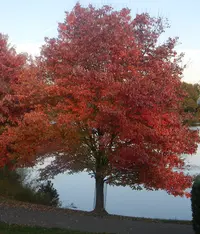
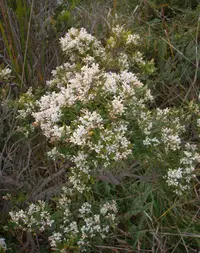
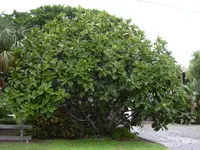
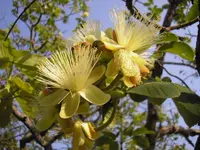
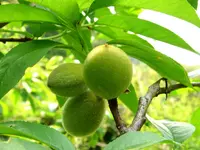
Wild guava, Careya arborea, is a medium-sized deciduous tree valued for its sturdy structure and showy, cream to pink flowers. It develops thick, oval leaves and a rounded crown, giving good shade in suitable climates.

This species is native to South and Southeast Asia, where it grows in dry deciduous forests and open woodlands. It is relatively tough once established, tolerating seasonal dryness and a range of soils if drainage is good.

For gardeners, it suits warm outdoor climates more than indoor settings and prefers full sun and moderate moisture. Understanding how to care for Wild Guava starts with providing warmth, light, and well-drained soil.

Main Plant Requirements

Care Difficulty

Moderate Care

Light Preference

Full Sun

Water Requirements

Moderate Water

Temperature Preference

Tropical / Frost Sensitive

Hardiness Zone

11–12

Soil Texture

Sandy, Loamy, Clay

Soil pH

Slightly acidic (6.5–7.0), Neutral (7.0)

Soil Drainage

Moist but well-drained

Fertilization

Minimal (feed rarely)

Get Personalized Care Plan

Scan your plant to receive care tips personalized for your specific plant

Available on iOS and Android

How to Care for the Wild Guava

This deciduous tree prefers bright sun but tolerates some shade in hot climates.

  • Provide 6–8 hours of direct sun daily, ideally strong morning sun with lighter afternoon exposure, especially in hotter regions.
  • Allow partial shade (around 3–4 hours direct sun) in very hot, dry areas to limit leaf scorch and moisture loss in Wild Guava.
  • Young trees benefit from some filtered light under taller trees for the first 1–2 years, then gradual exposure to more direct sun as they establish.

This species prefers consistently moist but not waterlogged soil once established in the landscape.

  • Irrigate when the top 3–5 cm of soil feels dry, applying a deep soak rather than frequent light watering to encourage deep roots.
  • Reduce watering in cool or rainy seasons and increase in hot, dry periods, watching leaves for wilting, rolling, or dull color as signs of drought stress.
  • Ensure soil drains freely; persistent puddling, sour smell, or yellowing, soft leaves indicate overwatering and a need to improve drainage or reduce volume.

This tropical tree thrives in warm, frost-free climates with only modest seasonal cooling.

  • Aim for 70–95°F (21–35°C) during active growth; it handles short hot spells up to about 100°F (38°C) if soil moisture is adequate.
  • Avoid temperatures below 45°F (7°C); growth slows sharply, and damage occurs near 40°F (4°C), especially on young shoots and new leaves.
  • Protect from frost, as freezing temperatures can kill young Careya arborea branches; use mulching and windbreaks in marginal climates to buffer cold snaps.

This species handles a broad humidity range but grows best in moderately humid conditions.

  • Aim for 40–60% humidity; it tolerates short dry spells but sustained air below 30% can slow growth.
  • Watch for leaf edge browning, curling, or stalled new shoots as signs of low-humidity stress in Wild Guava.
  • In very dry climates, group plants, mulch the root zone, and use nearby water features rather than misting foliage.

Careya arborea prefers deep, structured soil that drains well yet holds steady moisture.

  • Use a loamy mix with 40% garden loam, 30% coarse sand, and 30% well-rotted compost to balance drainage and water retention.
  • Ensure water percolates freely; standing water or sticky, compacted clay around the root zone greatly increases root rot risk.
  • Target a slightly acidic to neutral pH of 6.0–7.5, avoiding strongly alkaline sites that can reduce nutrient uptake.
  • Improve aeration by incorporating coarse sand or fine gravel into heavy soils and avoiding high peat content mixes that slump over time.

This tree can be grown in large containers for some years, but it needs careful management to stay healthy.

  • Choose a wide, heavy container to counterbalance the developing woody canopy and prevent wind tipping outdoors.
  • Select thick-walled clay or concrete pots if extra moisture loss is needed in wet climates, or plastic in very hot, dry regions to slow drying.
  • Fill the pot with a deep, sharply draining mix and elevate it on pot feet so excess water clears freely from all drainage holes.

Careya arborea grows adequately in average soil, but light feeding improves growth in poor or exhausted ground.

  • Use a balanced slow-release fertilizer (around 10-10-10) or well-rotted compost at the start of the warm growing season.
  • Apply once every 6–8 weeks during active growth, especially for young or container-grown Wild Guava.
  • Reduce or stop feeding in cool months or dormancy to avoid weak, elongated growth.
  • Use fertilizers at half the label strength for seedlings or stressed trees to limit root and leaf burn.

Careya arborea benefits from modest structural pruning to keep the crown healthy and accessible.

  • Carry out main pruning at the end of the cool dry season or just before active growth resumes.
  • Remove dead, diseased, crossing, or storm-damaged branches first to improve light and air flow.
  • Thin congested inner branches to maintain a balanced, open canopy and safer clearance around paths or structures.
  • Use clean, sharp bypass pruners or a pruning saw and make smooth cuts just outside the branch collar.

This tree is usually grown in the ground, so management focuses on transplanting young specimens rather than long-term container culture.

  • Transplant when roots lightly circle the nursery pot, growth slows, or the plant becomes top-heavy.
  • Aim for late spring to early summer, once soil is warm and stable weather is expected.
  • Move up to a hole or container 1–2 sizes larger, using well-drained soil and firm but gentle backfilling.
  • Water thoroughly after planting, then keep soil evenly moist and shade the tree lightly for 1–2 weeks to reduce transplant shock.

Careya arborea is most often propagated from seed, with vegetative methods used less frequently.

  • Collect ripe seeds, clean the pulp, and sow in a loose, well-drained mix in warm conditions around 70–80°F.
  • Sow in late spring to early summer, keeping the medium evenly moist but never waterlogged.
  • Provide bright, indirect light and good air movement to reduce damping-off in young seedlings.
  • Semi-hardwood cuttings can root in warm, humid conditions with rooting hormone, though success rates are variable.

This tropical to subtropical tree is not fully frost hardy and benefits from simple winter precautions in cooler climates.

  • In mild regions, add a 5–8 cm layer of organic mulch around the root zone, keeping it off the trunk.
  • In areas with light frost, wrap young trunks with breathable horticultural fleece on the coldest nights.
  • Grow container plants in large pots and move them indoors or into a frost-free greenhouse when temperatures approach 40°F.

Care Tips

Form Strong Framework

In the first 3–5 years, select 3–5 well-spaced main branches and remove steep, crossing, or duplicated shoots so the tree develops a strong, open canopy that can support future flowering and fruit set.

Manage Root Competition

Keep a grass-free and weed-free ring at least 60–90 cm around the trunk using shallow hand weeding or mulch so feeder roots have priority access to moisture and nutrients.

Protect Young Bark

For young trees in hot or exposed sites, use a light-colored tree guard or shade cloth on the south and west sides of the trunk to reduce sunscald and bark cracking during the first few summers.

Encourage Wildlife Pollination

If local pollinators are scarce, plant nectar-rich native shrubs and wildflowers nearby and avoid insecticides during flowering to improve pollination and fruit development when growing Wild Guava.

Plan Dry-Season Storage

In regions with a distinct dry season, install a simple rainwater barrel or storage tank during the wet months so supplemental irrigation is available for sustained growth and reduced stress later in the year.

Common Pests and Diseases

Leaf-webber caterpillars

This pest feeds on young leaves and buds, often webbing leaves together and skeletonizing the foliage. Symptoms include chewed margins, rolled or tied leaves, and frass (insect droppings) inside the webs.

Solution

Hand-pick and destroy webbed leaves and visible larvae, especially on young trees. For heavier infestations, use a targeted biological insecticide with Bacillus thuringiensis (Bt) on new growth and maintain good tree vigor with proper watering to help it refoliate quickly.

Bark-boring beetles

These insects tunnel into twigs and branches, disrupting sap flow and weakening the tree. Symptoms include small round exit holes, sawdust-like frass on the bark, and branch dieback from the tips.

Solution

Prune and destroy affected twigs and small branches as soon as boring is noticed, cutting back into healthy wood. Reduce stress by avoiding drought, waterlogging, or heavy mechanical damage to the trunk, and consider using tree wraps or physical barriers on young stems in areas with a known borer problem.

Leaf spot

This disease causes small brown to dark lesions on leaves that may enlarge and coalesce, sometimes leading to premature leaf drop. Symptoms include irregular spots often with a yellow halo and a generally thinned crown if defoliation repeats over seasons.

Solution

Collect and discard fallen leaves to reduce fungal spore load and avoid overhead watering on ornamental specimens. In humid regions, improve airflow around the canopy through light pruning, and consider a copper-based fungicide spray during the early monsoon period if recurring leaf spot becomes severe and you need structured Careya arborea care instructions.

Sooty mold

This disease appears as a black, soot-like coating on leaves and young stems that grows on honeydew secreted by sap-sucking insects such as scale or aphids. Symptoms include dull, blackened foliage and reduced photosynthesis, often accompanying a sticky residue.

Solution

First manage the underlying sap-sucking insects by washing foliage with a strong but gentle stream of water and, if needed, applying insecticidal soap or horticultural oil. Once insect pressure is reduced, gently wipe or hose off the mold from reachable leaves and maintain regular monitoring for honeydew-producing pests.

Interesting Facts

Showy night blossoms

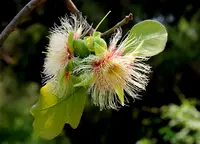
The tree produces large, brush-like white flowers that open in the evening and usually fall by the next morning, creating a carpet of petals beneath the canopy.

Specialized pollinator visitors

Its nectar-rich, exposed stamens attract bats, bees, and other nocturnal and crepuscular pollinators, which are important for successful fruit set.

Deciduous savanna tree

This species is naturally adapted to seasonally dry deciduous forests and savannas in South and Southeast Asia, shedding leaves in the dry season to reduce water loss.

Botan icon

Did you know?

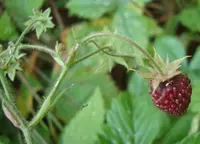
The fibrous, fleshy fruit of Careya arborea has traditionally been eaten cooked or pickled in several parts of South Asia, and the seeds are dispersed by animals that consume the fruits and move across dry forest landscapes.

FAQs about Wild Guava

Lack of flowering often comes from insufficient light, young age, or heavy pruning at the wrong time. Nutrient-poor or very dry soil also reduces buds. Stable warmth and patience are important, as trees bloom more reliably with maturity.

Grow Healthy Plants with Botan Care

Keep your plants happy and healthy with plant identification, disease detection, and easy care guidance.

Botan plant care app — identify plants on mobile

Explore More Plants