Chinese Wild Peach Care (Prunus davidiana)

Also known as: David's Peach
Chinese Wild Peach

About Chinese Wild Peach

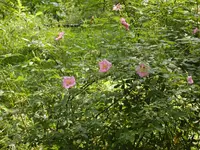
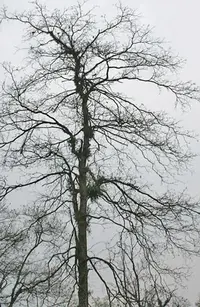
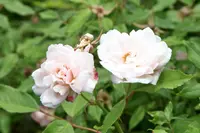
Chinese wild peach, Prunus davidiana, is a deciduous flowering tree closely related to the common peach. It typically forms a small to medium tree with upright branches, simple leaves, and pale pink early spring blossoms.

This species is native to China, where it grows on hillsides and mountain slopes, often in relatively cool, dry conditions. Gardeners value it for cold tolerance, ornamental flowers, and its role as rootstock for cultivated peaches.

It is generally considered moderately easy to grow when given full sun, well-drained soil, and protection from prolonged waterlogging. Learning how to care for Chinese Wild Peach mainly involves providing enough light, avoiding soggy soil, and monitoring for common peach pests and diseases.

Main Plant Requirements

Care Difficulty

Moderate Care

Light Preference

Full Sun

Water Requirements

Moderate Water

Temperature Preference

Cold Hardy

Hardiness Zone

5–8

Soil Texture

Sandy, Loamy, Clay

Soil pH

Acidic (5.5–6.5), Slightly acidic (6.5–7.0)

Soil Drainage

Well-drained

Fertilization

Minimal (feed rarely)

Get Personalized Care Plan

Scan your plant to receive care tips personalized for your specific plant

Available on iOS and Android

How to Care for the Chinese Wild Peach

Prunus davidiana needs abundant outdoor sun to flower and fruit well.

  • Provide 6–8 hours of direct sun daily, with morning sun and light afternoon shade ideal in hot summer regions.
  • Tolerates light partial shade (3–4 hours direct sun), but Chinese Wild Peach may produce fewer flowers and longer, weaker shoots.
  • In very hot climates, protect from intense late-afternoon sun to reduce leaf scorch, while in winter ensure an open, unshaded position to maximize light on bare branches.

Prunus davidiana prefers evenly moist but well-drained soil, especially while establishing.

  • Water when the top 3–5 cm of soil feels dry, applying a slow, deep soak that wets the root zone rather than frequent shallow splashes.
  • Reduce watering in fall and winter, focusing on dry, windy periods; increase during active growth and fruiting in spring and early summer.
  • Watch for yellowing, soft leaves and persistent soggy soil as signs of overwatering; curled, browning leaf edges and dry, cracked soil indicate underwatering or drought stress.

This hardy species tolerates significant cold but performs best in moderate climates.

  • Optimal growing temperatures are about 60–80°F (16–27°C), supporting steady shoot growth and reliable bud development in spring and summer.
  • Dormant trees withstand drops to about 0°F (−18°C) or slightly lower, but young plants benefit from wind protection and mulch over the root zone in severe winters.
  • Mature trees handle short heat waves up to about 95°F (35°C) if soil moisture is maintained; extended extremes above this can cause leaf scorch and fruit drop, especially with hot, dry winds.

This species tolerates typical outdoor humidity in temperate climates and rarely needs special humidity management.

Prunus davidiana prefers moderately fertile, well-drained, aerated soil to support deep, healthy rooting.

  • Use loamy or sandy-loam soil with 20–30% organic matter, such as compost or leaf mold, to retain moisture without becoming heavy.
  • Maintain slightly acidic to neutral pH (6.0–7.2); avoid highly alkaline or salty soils that can limit nutrient uptake.
  • Improve drainage and aeration by incorporating coarse sand or fine gravel into compact soils, especially in wetter climates or heavy subsoils.
  • Avoid waterlogged, clay-heavy sites; if drainage is marginal, plant on a slight mound or raised bed to protect roots from rot.

This species can be grown in large containers for a limited number of years if root space and stability are carefully managed.

  • Choose a heavy, wide-based pot to prevent tipping as the tree gains height and develops a spreading canopy.
  • Use a deep container that allows a strong taproot and structural roots to develop without severe circling early on.
  • Fill the container with a free-draining loam-based mix that dries moderately fast between waterings to reduce root rot risk.

This flowering tree benefits from moderate feeding to support healthy growth and blossom production.

  • Apply a balanced granular or slow-release fertilizer (around 10-10-10 NPK) once in early spring as new growth begins.
  • Use a light application rate, roughly half the label recommendation for fruit trees, to avoid soft, frost-sensitive growth.
  • Supplement with a thin layer of compost over the root zone each spring for steady nutrient supply and soil health.
  • Avoid fertilizing Chinese Wild Peach from late summer through winter, as feeding during dormancy can disrupt natural hardening-off.

Pruning supports structure, airflow, and flowering in Prunus davidiana.

  • Carry out main pruning when the tree is dormant in late winter, before buds swell.
  • Remove dead, diseased, crossing, or inward-growing branches to reduce disease risk and improve light penetration.
  • Thin crowded interior shoots rather than shortening all tips, maintaining a naturally open, vase-like crown.
  • Use clean, sharp bypass pruners or a small pruning saw, making smooth cuts just outside the branch collar.

This species is usually grown in the ground, so focus on careful transplanting rather than frequent repotting.

  • Plan major transplants for late winter to very early spring, while the tree is still dormant and soil is workable.
  • Move young trees every 2–3 years if needed, before they develop a large, deep root system and become slow to establish.
  • Look for signs such as circling roots or poor vigor in container-grown plants as a cue to shift into a larger pot or the ground.
  • Reduce root stress by watering deeply before and after moving, keeping the root ball intact, and shading the canopy for 1–2 weeks.

Propagation is possible but somewhat specialized, most often done from seed and hardwood cuttings.

  • Collect ripe seeds in autumn, then stratify them in moist medium at 35–40°F for 3–4 months to break dormancy.
  • Sow stratified seeds in spring in a free-draining mix, keeping it evenly moist and in bright, indirect light.
  • Take hardwood cuttings in late winter, using pencil-thick shoots, and dip bases in rooting hormone to improve success.
  • Insert cuttings in a gritty, well-aerated substrate and maintain cool, stable moisture until new roots and buds appear.

This cold-hardy species tolerates typical winter conditions in many temperate regions and needs only modest care.

  • Established trees generally withstand frost, but young plants benefit from extra protection in their first 1–2 winters.
  • Apply a 5–8 cm layer of organic mulch around the root zone, keeping it clear of the trunk to limit rot.
  • Wrap trunks of young trees with breathable tree guards in very cold or windy sites to reduce bark splitting.
  • Move container-grown specimens into a sheltered, unheated but frost-free or slightly protected area to prevent root damage.

Care Tips

Rootstock selection

Use disease-resistant, compatible rootstocks such as peach or almond when grafting, as this improves anchorage, soil adaptation, and long-term health for growing Chinese Wild Peach in varied climates.

Windbreak planning

Plant near a permeable windbreak (hedge or fence with gaps) to reduce wind stress on young trees, which helps prevent branch breakage and minimizes blossom loss in early spring.

Early pest scouting

Starting at bud swell, inspect weekly for aphids, scale, and early peach leaf curl symptoms on new growth so that any targeted treatments can be applied before damage becomes extensive.

Trunk and scaffold protection

Paint the lower trunk and main scaffold branches with a 1:1 mix of interior white latex paint and water to reduce sunscald and bark splitting, especially on the southwest side in winter and early spring.

Bloom frost management

During forecast late frosts, irrigate soil the day before and, for small trees, cover the canopy with a breathable frost cloth overnight to slightly buffer temperatures around developing flower buds.

Common Pests and Diseases

Peach leaf curl

This disease causes distorted, thickened, and reddened leaves that later turn gray and fall off early. Symptoms include weakened shoots and reduced vigor, especially in cool, wet spring weather.

Solution

Remove and dispose of affected leaves and shoots as soon as they are noticed and keep the area under the tree free of fallen debris. In late winter or very early spring, before bud break, apply a copper-based fungicide thoroughly to branches and buds, and avoid overhead watering that keeps buds and young leaves wet for long periods.

Bacterial canker

This disease produces sunken, dark cankers on branches and twigs, often accompanied by gumming and dieback of individual shoots. Symptoms include leaf spots with shot-hole appearance and sudden wilting of blossoms or small branches.

Solution

Prune out infected twigs and branches during dry weather, cutting well below visible cankers, and disinfect pruning tools between cuts with alcohol or a 10% bleach solution. Improve tree vigor through balanced fertilization, avoid heavy pruning in late fall or early spring, and in regions with a history of this problem consider using copper sprays at leaf fall and again before bud break as part of broader Prunus davidiana plant care.

Peach scab

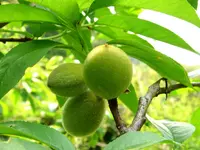
This disease leads to small, dark, velvety spots on young fruit and sometimes on green twigs, which can coalesce and crack as fruit enlarges. Symptoms include blemished fruit skin and reduced fruit quality, though flesh is usually still edible.

Solution

Thin fruits to improve air circulation, avoid wetting foliage and fruit with irrigation, and remove heavily infected twigs during winter pruning. In areas with frequent spring rains, apply a labeled fungicide starting at petal fall and repeat at recommended intervals until fruit hardening, focusing sprays on young fruit and current-season shoots.

Peach tree borer

This pest tunnels into the lower trunk and root crown, causing gumming mixed with sawdust at the base and gradual decline of vigor. Symptoms include wilting, reduced growth, and in severe cases sudden collapse of young trees.

Solution

Inspect the lower trunk and soil line regularly and remove larvae by carefully inserting a flexible wire or knife tip into active galleries without girdling the trunk. Keep the trunk base free of weeds and mulch contact, use trunk wraps or guards where appropriate, and in high-pressure areas consider timing a labeled biological or insecticidal treatment to coincide with adult moth flight and egg hatch.

Aphids

These insects cluster on young shoots and leaf undersides, sucking sap and causing curled, sticky leaves covered with honeydew. This pest also promotes sooty mold growth and can transmit viral pathogens between trees.

Solution

Prune off heavily infested shoot tips, then wash remaining colonies from leaves with a strong stream of water. Encourage natural predators like lady beetles, use horticultural soap or neem oil on leaf undersides during mild weather, and avoid excessive nitrogen fertilization that promotes the very soft growth aphids prefer.

Interesting Facts

Wild peach ancestor

Prunus davidiana is considered one of the closest wild relatives of the cultivated peach, and has been widely used in breeding programs to introduce cold tolerance and disease resistance into modern peach cultivars.

Exceptional frost hardiness

This species tolerates much lower winter temperatures than most cultivated peaches, which is why breeders use it to develop rootstocks and varieties suited to colder regions.

Erosion control role

In parts of its native range in China, this tree is planted on slopes and degraded land because its root system helps stabilize soil and reduce erosion while also providing early spring flowers for pollinators.

Botan icon

Did you know?

Prunus davidiana has been used as a hardy rootstock onto which commercial peach varieties are grafted, allowing fruit production in sites that would otherwise be too cold or disease-prone for standard peach trees.

FAQs about Chinese Wild Peach

Lack of flowers often comes from insufficient winter chill, too much shade, or heavy pruning at the wrong time that removed flower buds. Late frosts can also damage buds. Focus on stable conditions before seeking detailed Prunus davidiana care.

Grow Healthy Plants with Botan Care

Keep your plants happy and healthy with plant identification, disease detection, and easy care guidance.

Botan plant care app — identify plants on mobile

Explore More Plants