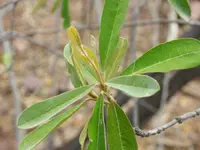
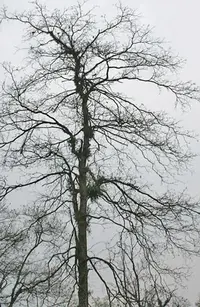
frost grape Care (Vitis vulpina)

Also known as: fox grape, winter grape
frost grape

About frost grape

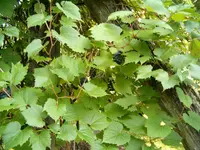
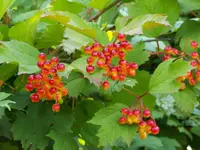
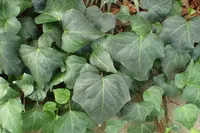
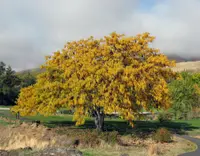
Frost grape, Vitis vulpina, is a hardy deciduous vine native to eastern North America. It often scrambles over fences, shrubs, and trees, forming long trailing stems. Leaves are medium-sized, toothed, and turn attractive shades in fall, while small grapes ripen late in the season and taste sweetest after frost. This species adapts to many soils and is generally vigorous, which can make it easy to establish but sometimes aggressive if not managed. It prefers sun to light shade and consistent moisture but tolerates short dry spells. Understanding how to care for frost grape starts with giving it strong support and enough space to climb.

Main Plant Requirements

Care Difficulty

Moderate Care

Light Preference

Full Sun

Water Requirements

Moderate Water

Temperature Preference

Cold Hardy

Hardiness Zone

3–9

Soil Texture

Sandy, Loamy, Clay

Soil pH

Acidic (5.5–6.5), Slightly acidic (6.5–7.0)

Soil Drainage

Moist but well-drained

Fertilization

Minimal (feed rarely)

Get Personalized Care Plan

Scan your plant to receive care tips personalized for your specific plant

Available on iOS and Android

How to Care for the frost grape

Vitis vulpina grows best with ample direct light but tolerates some shade in many temperate gardens.

  • Provide 6–8 hours of direct sun daily; morning sun with light afternoon shade reduces leaf scorch in hotter regions.
  • Plant where it receives at least 3–4 hours of direct light even in partial shade; very dense shade leads to weak, spindly shoots and poor fruiting.
  • In summer, protect young vines from intense late-afternoon sun with neighboring shrubs or structures; in early spring, full sun helps buds break evenly.

Vitis vulpina prefers evenly moist, well-drained soil rather than constantly wet conditions.

  • Irrigate when the top 3–5 cm of soil feels dry, applying a deep soak rather than frequent light sprinkling to encourage deep roots.
  • Ensure soil drains freely; yellowing, soft leaves and persistent surface wetness indicate overwatering, while drooping, dry leaves and brittle tendrils suggest underwatering.
  • During cool, rainy spring reduce supplemental water, then increase deep watering through dry midsummer, tapering off again as leaves yellow and the vine approaches dormancy.

This species is a hardy grapevine that tolerates a wide temperature range across temperate climates.

  • Active growth is strongest around 65–85°F (18–29°C); shoots extend rapidly and leaves fully expand in this range.
  • Established vines survive winter lows near -20°F (-29°C), but young plants benefit from mulch over roots when temperatures drop below 10°F (-12°C).
  • During heat above 90°F (32°C), provide soil moisture and light afternoon shade to limit heat stress; expect growth to slow and leaves to droop slightly in extreme heat.

Humidity is rarely limiting for Vitis vulpina, which is adapted to typical outdoor ranges.

  • Target 40–70% relative humidity, which matches most temperate outdoor conditions for frost grape.
  • Plants tolerate short dry spells, but extended hot, very dry air can slow growth and cause marginal leaf browning.
  • In unusually arid climates, group plants near other vegetation or mulch the root zone to reduce transpiration stress.

Vitis vulpina prefers deep, well-drained, moderately fertile soil with stable structure.

  • Use a loamy mix with 30–50% mineral content and 20–40% organic matter, such as garden loam blended with composted bark or well-rotted compost.
  • Ensure free drainage by avoiding compacted clay; add coarse sand or fine gravel to heavy soils to prevent waterlogging around roots.
  • Aim for slightly acidic to neutral pH, around 6.0–7.0, and avoid strongly alkaline substrates that can induce nutrient deficiencies such as iron chlorosis.
  • Maintain aeration by keeping soil friable; avoid high-peat mixes that stay soggy and break down quickly under outdoor irrigation.

This species can be grown in containers if given enough root volume and stable support.

  • Choose a tall, heavy container at least 40–50 cm deep to accommodate the woody root system and reduce tipping as vines lengthen.
  • Select a thick-walled clay or concrete pot if possible, which moderates temperature swings and anchors vigorous climbing growth.
  • Elevate the container slightly on blocks so all drainage holes clear freely, preventing saturated lower soil that can cause chronic root stress.

Wild Vitis vulpina usually grows well in average soil, but light feeding can support vigorous growth in cultivated settings.

  • Use a balanced granular or slow-release fertilizer (around 10-10-10) or well-aged compost in early spring as new growth begins.
  • Apply a light dose once per year in the growing season for in-ground plants; container-grown vines may benefit from 2–3 light feedings.
  • Dilute liquid fertilizers to 50% strength to avoid excessive, weak growth and salt buildup around the roots.
  • Stop feeding by late summer so shoots harden properly before winter dormancy.

Pruning Vitis vulpina maintains structure, controls vigor, and supports fruiting on accessible wood.

  • Carry out main pruning in late winter while vines are fully dormant and structure is visible.
  • Remove dead, damaged, rubbing, or very crowded canes, cutting back to healthy wood with sharp bypass pruners or loppers.
  • Shorten long, whippy shoots to a framework of strong canes to keep the vine manageable and improve light penetration.
  • During summer, lightly thin out watersprouts and excessive side shoots to maintain airflow and reduce disease pressure.

Frost grape is usually grown in the ground, so care focuses on transplanting young vines and managing root disturbance.

  • Transplant in early spring or fall when temperatures are mild and the plant is not in active heat stress.
  • Look for signs such as roots circling a nursery pot, very slow growth, or frequent drying as cues to move to a larger space.
  • Dig a wide planting hole, gently loosen circling roots, and set the crown at the same soil level, then water thoroughly.
  • Apply mulch 5–8 cm deep after planting and keep soil evenly moist for the first growing season to reduce transplant shock.

Vitis vulpina is commonly propagated by cuttings or layering, with seed used mainly for breeding or restoration projects.

  • Take hardwood cuttings in late winter, 15–25 cm long, with 3–4 buds, and plant them in a free-draining, slightly moist medium.
  • Use simple layering in spring: pin a flexible stem to the soil, cover a section with soil, and separate once well rooted.
  • For softwood cuttings in late spring, use high humidity, bright indirect light, and a rooting hormone to encourage root formation.
  • Sow cleaned seeds outdoors in fall or after cold stratification at 34–41°F for 2–3 months to break dormancy.

This species is cold hardy across much of its native range and typically needs minimal winter care once established outdoors.

  • In-ground vines tolerate freezing conditions but benefit from 5–8 cm of mulch over the root zone in colder climates.
  • Avoid heavy pruning in late fall so wood has time to harden before deep winter temperatures arrive.
  • Move container-grown vines into an unheated garage or sheltered area where roots stay around 25–40°F and soil does not freeze solid.

Care Tips

Wire support system

Install a sturdy 2–3 wire trellis or fence before planting so the vine can be tied in loosely as it grows, which keeps canes off the ground and improves air circulation around the foliage and clusters.

Cane training method

Select 2–4 strong canes each year and tie them horizontally along the support, then remove weak, tangled shoots during the dormant season to maintain a simple framework that is easy to manage and harvest from when growing frost grape.

Mulch for root stability

Apply a 5–8 cm layer of coarse organic mulch over the root zone, keeping it 5–8 cm away from the trunk, to moderate soil temperature, conserve moisture, and reduce weed competition without encouraging trunk rot.

Cluster thinning practice

In late spring, remove excess flower clusters or very small developing grape clusters so the remaining fruit receives better light and resources, which helps produce healthier, better-ripened berries.

Preventive pest scouting

Inspect leaves and stems weekly during warm months, focusing on the undersides of leaves and tender shoot tips, so that issues like aphids, leafhoppers, or fungal spots can be treated early with targeted controls before they spread along the vine.

Common Pests and Diseases

Grape phylloxera

This pest feeds on roots and sometimes leaves, causing galls, stunting, and gradual decline in vine vigor. Symptoms include yellowing foliage, poor shoot growth, and, in severe cases, plant death over several seasons.

Solution

Use resistant or tolerant rootstocks when planting, as this is the most reliable long‑term method to manage phylloxera. For existing vines, avoid moving infested soil, keep plants well watered but not waterlogged to reduce stress, and remove and destroy heavily galled leaves to reduce aboveground populations, understanding that soil-dwelling forms are difficult to eliminate once established.

Grape berry moth

This pest’s larvae tunnel into flower clusters and developing berries, leading to webbing, shriveled fruit, and increased risk of fruit rots. Symptoms include small entry holes, frass on clusters, and berries that color early and dry out.

Solution

Monitor vines from late spring for webbed clusters and early fruit damage, then prune out and destroy infested clusters to break the life cycle. Where pressure is high, use pheromone traps and time applications of Bacillus thuringiensis (Bt) or other targeted products to early larval stages while maintaining good canopy airflow to reduce associated fruit rots.

Black rot

This disease causes brown leaf spots with dark margins and fruit infections that turn grapes into hard, black mummies. Symptoms include circular lesions on leaves and rapid spread in warm, wet weather, followed by loss of most of the crop if unmanaged.

Solution

Remove and discard all mummified berries and fallen leaves in autumn or late winter to reduce overwintering spores. During the growing season, keep the canopy open with regular pruning, avoid overhead watering, and in wet-spring regions follow local frost grape care instructions that may include preventive fungicide sprays timed from pre-bloom through several weeks after bloom.

Downy mildew

This disease thrives in humid, warm conditions and produces yellow oil-like spots on upper leaf surfaces with white, downy growth underneath. Symptoms include leaf curling, premature leaf drop, and reduced vigor when infections are severe or repeated.

Solution

Improve air circulation around vines by proper spacing and pruning to open the canopy, and avoid watering foliage late in the day. Remove and destroy heavily infected leaves and fallen debris, and in high-risk climates use labeled copper or other suitable fungicides preventively when wet, warm weather is forecast.

Powdery mildew

This disease produces white to gray powdery growth on leaves, shoots, and sometimes fruit, leading to distorted foliage and poor fruit development. Symptoms include dull, whitish patches that can coalesce and reduce photosynthesis and winter hardiness.

Solution

Promote good airflow and sun exposure through training and pruning, and avoid excessive nitrogen fertilization that encourages dense, lush growth. At first signs of infection, remove heavily affected leaves and use sulfur or other appropriate fungicides labeled for grapes, applying on a regular schedule during warm, dry periods when powdery mildew is most active.

Interesting Facts

Late-season fruit ripening

Frost grape often keeps its berries on the vine into late autumn, and they typically become noticeably sweeter only after several hard frosts, as cold temperatures trigger conversion of some acids to sugars.

Extreme cold tolerance

This species is native to eastern North America and is known for withstanding very low winter temperatures, which is why it has been studied as a potential genetic resource for improving cold hardiness in cultivated grapes.

Distinctive leaf and tendril traits

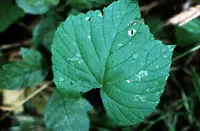
Frost grape usually has relatively small, shallowly lobed leaves and long, slender tendrils that allow it to climb high into tree canopies, often forming dense curtains along forest edges and riverbanks.

Botan icon

Did you know?

Wild populations of Vitis vulpina serve as an important host for a range of native grape-feeding insects and fungi, and genetic studies use this species to help clarify the evolutionary relationships among North American wild grapes and domesticated Vitis vinifera.

FAQs about frost grape

This species spreads readily by long vines and bird-dispersed seeds, so it can become vigorous in favorable conditions. Regular pruning and monitoring of seedlings are important parts of Vitis vulpina care in home landscapes.

Grow Healthy Plants with Botan Care

Keep your plants happy and healthy with plant identification, disease detection, and easy care guidance.

Botan plant care app — identify plants on mobile

Explore More Plants