corkystem passionflower Care (Passiflora suberosa)

Also known as: triangular passionflower, corky passionfruit, Indigo Berry, Devil's Pumpkin
corkystem passionflower

About corkystem passionflower

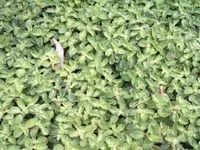
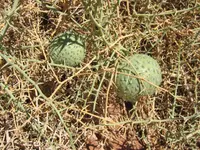
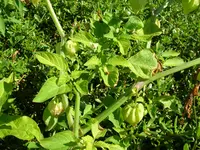
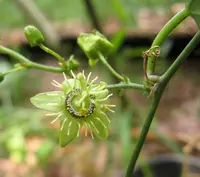
Corkystem passionflower, Passiflora suberosa, is a small, slender vine in the passionflower family. It climbs or sprawls over nearby plants and structures using tendrils. The leaves are usually small, variable in shape, and the plant produces tiny pale flowers followed by dark purple to black berries that attract birds. It is native to the tropical and subtropical Americas and has become naturalized in many warm regions. This species grows quickly and can spread aggressively in suitable climates, which affects how easy it is to manage. It is generally undemanding and tolerant of heat, sun, and poorer soils, which makes it simple to care for corkystem passionflower in outdoor settings.

Main Plant Requirements

Care Difficulty

Moderate Care

Light Preference

Full Sun

Water Requirements

Moderate Water

Temperature Preference

Tropical / Frost Sensitive

Hardiness Zone

9–11

Soil Texture

Sandy, Loamy, Organic-rich

Soil pH

Acidic (5.5–6.5), Slightly acidic (6.5–7.0)

Soil Drainage

Moist but well-drained

Fertilization

Minimal (feed rarely)

Get Personalized Care Plan

Scan your plant to receive care tips personalized for your specific plant

Available on iOS and Android

How to Care for the corkystem passionflower

This vine prefers bright outdoor light but adapts well to partial shade in warm climates.

  • Aim for 4–6 hours of direct morning sun with light afternoon shade; strong late-day sun can scorch young leaves, especially in hot summers.
  • Corkystem passionflower tolerates partial shade and can still flower, but very dense shade reduces blooming and causes weak, stretched stems.
  • In cooler seasons, allow more direct sun by thinning overhead cover, while in intense summer heat provide dappled or filtered light during midday.

This species prefers consistently moist but not saturated soil once established outdoors.

  • Water when the top 2–4 cm of soil feels dry; soil below should stay slightly damp but never waterlogged to protect roots from rot.
  • Use free-draining soil or a sloped planting site so excess water runs off, especially in regions with heavy rain or irrigation systems.
  • In hot, dry weather, increase checks for wilting or leaf curl, while in cool or rainy seasons extend intervals between waterings to avoid soggy soil.

This tropical vine grows best in warm, frost-free conditions throughout the year.

  • Optimal growth occurs around 70–85°F (21–29°C), when stems extend quickly and flowering is most reliable in full growing season.
  • Passiflora suberosa is damaged near 32°F (0°C) and can be killed by hard frost; provide frost cloth or grow against a warm wall in marginal climates.
  • The plant tolerates short heat spikes up to about 95°F (35°C) if soil moisture is stable, but prolonged extreme heat with dry soil can cause leaf drop and stalled growth.

This species handles a wide humidity range but grows best with moderately moist air.

  • Aim for 40–60% humidity, which is usually met in most homes without special equipment for corkystem passionflower.
  • Expect leaf edges to brown and new growth to stall if air is very dry for extended periods.
  • Increase humidity locally by grouping plants, placing the pot on a pebble tray with water below the pot base, or using a small humidifier nearby.

Passiflora suberosa prefers a light, well-aerated mix that drains rapidly but does not dry out instantly.

  • Use a loose, loamy mix made from roughly 2 parts peat-free potting mix, 1 part compost, and 1 part perlite or coarse sand for structure.
  • Ensure fast drainage; excess water should leave the pot within seconds, preventing roots from sitting in saturated conditions.
  • Aim for slightly acidic to neutral pH, around 6.0–7.0, which supports nutrient availability without special amendments.
  • Avoid heavy clay, compacted mixes, or high peat content that stays soggy, since these conditions promote root rot and weak growth.

This vine is well suited to container growing outdoors or in bright protected spaces.

  • Choose a container wide and deep enough to anchor a support or trellis so vigorous top growth does not tip the pot.
  • Select a heavier material such as ceramic or clay if the vine will climb high, to improve stability in wind.
  • Leave several centimeters between soil surface and pot rim so watering does not overflow when the vine’s root zone is densely filled.

This vigorous vine benefits from modest feeding to support steady growth and flowering.

  • Use a balanced NPK fertilizer (around 10-10-10) or a light top-dressing of compost for corkystem passionflower in active growth.
  • Feed every 4–6 weeks in spring and summer for container plants; in-ground plants often need less input on fertile soil.
  • Dilute liquid fertilizer to 1/2–1/4 strength to avoid excessive, weak growth and salt buildup in the root zone.
  • Stop or reduce feeding sharply in fall and winter, especially where growth slows or light levels are low.

Thoughtful pruning keeps Passiflora suberosa manageable and improves flowering exposure.

  • Plan main pruning in late winter or very early spring before vigorous new growth begins.
  • Remove dead, damaged, or crossing stems first, then thin crowded shoots to open the vine canopy.
  • Shorten overly long or tangled vines to direct growth along the support and maintain desired size.
  • Use clean, sharp hand pruners and make cuts just above a node to encourage branching and new flowering shoots.

This fast-growing vine often needs periodic transplanting when grown in containers or confined spaces.

  • Check for roots circling the pot, pushing through drainage holes, or declining vigor as signs it needs a larger container.
  • Plan repotting or outdoor transplanting in spring, once frost risk has passed and new growth starts.
  • Move up only 1–2 pot sizes, using a well-drained mix, and keep the root ball at the same soil depth as before.
  • Gently loosen circling roots, water thoroughly after transplanting, and shade lightly for a few days to limit transplant shock.

Passiflora suberosa is commonly propagated by both seeds and softwood cuttings.

  • Collect ripe berries, clean seeds, and sow in warm conditions around 70–80°F with evenly moist, well-drained seed mix.
  • Expect variable germination; bottom heat and bright, indirect light improve speed and uniformity.
  • Take 8–10 cm softwood cuttings in late spring or early summer, removing lower leaves and any flowers.
  • Insert cuttings into a moist, free-draining medium, maintain high humidity, and provide gentle warmth until roots form.

This species is frost-sensitive and needs protection in regions with cold winters.

  • In USDA zones below 9, grow in containers so plants can be moved indoors before temperatures drop near 32°F.
  • Indoors, give bright light, reduced watering, and good air circulation to limit pests during the cool season.
  • In mild climates, apply a 5–8 cm mulch over the root zone and allow top growth to die back naturally if lightly frosted.

Care Tips

Use climbing support

Install a fine trellis, wire mesh, or string netting early so young vines can be gently tied and directed, which keeps stems off the ground and reduces fungal and pest issues at soil level.

Encourage branching

Pinch or lightly tip-prune young, soft vine ends once they reach 20–30 cm to promote side shoots, which creates a denser plant with more potential flowering points and better coverage of a fence or trellis.

Fruit and seed management

Regularly remove unwanted fruits and volunteer seedlings, especially near natural areas, to prevent uncontrolled self-seeding and to keep the parent plant’s energy focused on vegetative growth and flowering.

Targeted pest scouting

Inspect the undersides of leaves and new growth every 1–2 weeks for caterpillars, aphids, and scale, and remove small infestations by hand or with a strong water spray before resorting to insecticidal soap or horticultural oil.

Seasonal container rotation

For plants in pots, rotate the container 90° every 2–3 weeks during active growth so all sides receive similar light, which helps grow Passiflora suberosa evenly and prevents one-sided, weak growth.

Common Pests and Diseases

Gulf fritillary caterpillars

This pest is a common butterfly larva that feeds heavily on leaves and young shoots, often defoliating vines used as host plants. Symptoms include chewed edges, skeletonized leaves, and rapid loss of foliage during warm months.

Solution

Handpick caterpillars from small plants and relocate them if desired, or use fine mesh netting to protect young vines in high-infestation periods. For heavier damage, prune back defoliated stems to encourage new growth and, if necessary, apply a targeted biological control such as Bacillus thuringiensis (Bt) following label directions to limit impact on non-target insects.

Passionvine leafhoppers

These insects suck sap from leaves and tender stems, causing stippling, curling, and a pale, speckled appearance. Symptoms include reduced vigor and distorted new growth, especially in dry, warm conditions.

Solution

Rinse foliage thoroughly with a strong but controlled stream of water to dislodge nymphs and adults from leaf undersides. Encourage natural predators by avoiding broad-spectrum insecticides, and if needed use an insecticidal soap or light horticultural oil, applied in the evening and repeated as necessary according to label instructions.

Passionvine mites

These tiny arachnids feed on leaf cells and can cause bronzing, fine mottling, and eventual leaf drop, especially on stressed or container-grown vines. Symptoms include very fine webbing on undersides of leaves and along stems under magnification or close inspection.

Solution

Increase humidity around the plant, regularly hose down both sides of the foliage, and remove heavily damaged leaves to reduce mite populations. For persistent infestations, apply horticultural oil or miticide labeled for ornamentals, ensuring thorough coverage of leaf undersides and repeating as recommended.

Cucumber mosaic virus

This disease causes mottled, mosaic-patterned leaves, distorted growth, and reduced flowering and fruit set on susceptible passionflower vines. Symptoms include yellow-green patching, twisted young leaves, and general decline despite adequate care.

Solution

Promptly remove and destroy symptomatic vines or sections to limit spread, and control sap-sucking insects such as aphids that transmit the virus. Disinfect pruning tools with a 10% bleach solution between plants and avoid planting new Passiflora near known infected hosts or weedy reservoirs.

Fungal leaf spots

This disease group produces small brown or tan lesions on leaves that may enlarge, darken, and sometimes develop yellow halos, especially in warm, humid weather. Symptoms include premature yellowing and drop of older leaves, giving the vine a thin appearance from the base upward.

Solution

Improve air circulation by thinning dense growth and avoid overhead watering so foliage dries quickly. Remove and discard heavily spotted leaves, then apply a copper-based or other labeled ornamental fungicide if new spots continue to develop, following all label timing and safety directions for effective Passiflora suberosa care instructions.

Interesting Facts

Corky stem bark

Mature stems develop a thick, corky bark layer, which gives the species its common name and helps protect older vines from mechanical damage and water loss in exposed sites.

Host for Gulf fritillary

This vine is a well-documented larval host plant for Gulf fritillary and several other passionflower butterflies, providing both food and shelter for their caterpillars in its native and naturalized range.

Tiny purple-black fruits

It produces very small, glossy purple-black berries that are eaten by birds, which then disperse the seeds and help the plant spread across disturbed and edge habitats.

Botan icon

Did you know?

In several tropical and subtropical regions outside its native range, this species is considered an invasive vine because its bird-dispersed seeds allow it to establish dense thickets that can smother native vegetation and alter light conditions in natural plant communities.

FAQs about corkystem passionflower

This vine spreads quickly by twining stems, runners, and self-seeding. In mild climates it can become weedy. Use regular pruning, sturdy supports, and root barriers if needed to keep it within the intended area when growing corkystem passionflower.

Grow Healthy Plants with Botan Care

Keep your plants happy and healthy with plant identification, disease detection, and easy care guidance.


Botan plant care app — identify plants on mobile

Explore More Plants