Algerian ivy Care (Hedera algeriensis)

Algerian ivy

About Algerian ivy

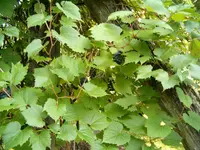
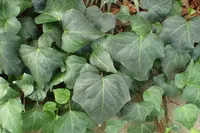
Algerian ivy, Hedera algeriensis, is a vigorous evergreen climbing vine often used as groundcover or for covering walls, fences, and large containers. It has large, leathery, glossy leaves that are usually dark green, sometimes with pale veins or variegation.

This species is native to North Africa and parts of the Mediterranean, where it grows in mild, humid climates. It tolerates shade, urban pollution, and poor soils, which makes it relatively easy to grow in many gardens.

Its fast growth and strong clinging roots can become invasive outdoors in some regions, so placement and pruning need planning. Understanding how to care for Algerian ivy focuses on managing its growth, providing moderate moisture, and avoiding very hot, dry, exposed sites.

Main Plant Requirements

Care Difficulty

Easy Care

Light Preference

Partial Shade

Water Requirements

Moderate Water

Temperature Preference

Cool Climate

Hardiness Zone

7–11

Soil Texture

Sandy, Loamy, Clay

Soil pH

Acidic (5.5–6.5), Slightly acidic (6.5–7.0)

Soil Drainage

Moist but well-drained

Fertilization

Minimal (feed rarely)

Get Personalized Care Plan

Scan your plant to receive care tips personalized for your specific plant

Available on iOS and Android

How to Care for the Algerian ivy

This species prefers bright but gentle light that avoids harsh afternoon sun.

  • Provide 3–5 hours of morning sun or bright, filtered light daily; east- or north-facing exposures suit Algerian ivy in many climates.
  • Plant where it receives partial shade, especially in hot summers; dense shade reduces vigor and causes sparse, stretched growth.
  • Watch leaf color as a guide: pale, scorched patches indicate too much direct sun, while very dark, leggy shoots signal insufficient light.

This ivy prefers evenly moist but not saturated soil.

  • Before watering Hedera algeriensis, let the top 2–4 cm of soil dry, then water thoroughly so moisture reaches the root zone.
  • In spring and summer, check soil every few days; in cooler or rainy seasons, extend intervals to prevent waterlogging, especially in heavy soils.
  • Yellowing, soft leaves and a sour smell suggest overwatering and poor drainage, while crisp, browning edges and wilting signal underwatering.

This plant is relatively hardy but still benefits from stable, moderate temperatures.

  • Optimal growth occurs around 60–75°F (16–24°C); mild fluctuations are tolerated if changes are gradual.
  • Established plants can survive down to about 15–20°F (-9 to -6°C) with some leaf damage, but repeated hard freezes can kill young growth.
  • In hot summers above 85°F (29°C), provide shade and consistent soil moisture, and protect from drying winds to reduce heat stress.

This species prefers moderate household humidity and only needs adjustment in very dry homes.

  • Aim for 40–60% humidity; it tolerates short dips lower but prolonged very dry air leads to browning leaf edges.
  • Watch for crisp tips, curling foliage, and slowed growth as signs of low-humidity stress in Algerian ivy.
  • Increase humidity locally with a nearby pebble tray or grouping plants, rather than misting, which adds only brief moisture.

This ivy grows best in loose, airy, moisture-retentive yet sharply draining soil.

  • Use a mix of 50–60% all-purpose potting mix, 20–30% compost, and 20–30% perlite or fine bark to improve aeration.
  • Target a slightly acidic to neutral pH around 6.0–7.0, which supports nutrient availability for Hedera algeriensis.
  • Ensure water drains through quickly and never pools; avoid heavy clay or unamended garden soil that compacts and suffocates roots.
  • If soil feels sticky or forms clods when squeezed, lighten it with additional perlite, bark, or coarse sand before planting.

This species is well suited to container growing for both trailing and climbing displays.

  • Choose a low, wide, and relatively heavy pot to counterbalance long trailing stems and reduce tipping in wind or on railings.
  • Select terracotta or other porous materials if the site is cool and shaded, to prevent soil staying overly wet around the roots.
  • Allow at least 5–8 cm of free surface area around the root ball so new stems can spread without immediate crowding at the rim.

This species grows well with light feeding that supports steady foliage production without forcing soft, weak growth.

  • Use a balanced liquid fertilizer (for example 10-10-10) at 1/4–1/2 strength every 4–6 weeks during spring–summer for Algerian ivy.
  • Alternatively, apply a slow-release granular fertilizer in early spring, following label rates for container or ground-grown vines.
  • In rich garden soil, a thin layer of compost in spring is usually enough, especially for established outdoor plants.
  • Stop feeding in fall and winter, when growth slows, to avoid salt buildup and leggy, out-of-season shoots.

Hedera algeriensis responds well to pruning, which keeps growth dense, contained, and healthy.

  • Plan main pruning for late winter or early spring before vigorous new growth starts.
  • Use clean, sharp hand pruners to shorten overlong stems and remove dead, damaged, or diseased sections back to healthy tissue.
  • Thin crowded vines by cutting some stems at the base to improve light and air penetration.
  • Trim back wandering shoots through the season to control spread and maintain the desired wall, groundcover, or container shape.

Container-grown plants benefit from occasional repotting to prevent root binding and maintain stable growth.

  • Check for roots circling the pot, pushing through drainage holes, or very fast drying soil; these indicate a need for a larger container.
  • Plan repotting or outdoor transplanting in early spring or early fall, when temperatures are mild and stress is lower.
  • Move up only 1 pot size, keeping the root ball intact, and fill around it with fresh, well-drained potting mix or garden soil.
  • Water thoroughly after repotting, keep the plant shaded and evenly moist for 1–2 weeks, and avoid heavy pruning at the same time.

This ivy is commonly propagated from stem material, which roots well under the right moisture and temperature conditions.

  • Take 8–12 cm non-flowering stem cuttings in spring or early summer, each with several nodes and healthy leaves.
  • Strip leaves from the lower nodes, optionally dip in rooting hormone, and insert into moist, well-drained medium such as perlite and peat.
  • Maintain bright, indirect light, high humidity, and temperatures around 65–75°F until roots form in 3–6 weeks.
  • For simple layering, peg a low stem to the soil surface, cover a node with mix, and sever the new rooted section later.

Mature plants are generally cold hardy in many temperate regions but young or container plants benefit from some winter protection.

  • In the ground, apply a 5–8 cm mulch layer around the root zone in late fall to buffer freeze–thaw cycles.
  • In colder areas, shield exposed foliage from drying winds with burlap or a windbreak, especially on new plantings.
  • Move containers into a sheltered, frost-free but cool spot, keeping soil slightly moist, not saturated, through winter.

Care Tips

Regular vine training

Guide new stems along a trellis, moss pole, or wall hooks every few weeks to prevent tangling and to encourage even coverage rather than a dense, congested clump.

Root zone containment

In outdoor beds, install a 20–30 cm deep physical barrier around the planting area to prevent this vigorous ivy from spreading into lawns, beds, or neighboring properties.

Targeted pest scouting

Inspect the undersides of leaves and stem joints every 2–3 weeks for scale, spider mites, and aphids, and treat early with a horticultural soap spray before infestations become established.

Strategic rejuvenation pruning

Every 1–2 years, cut back a portion of the oldest, woodiest stems close to the base to stimulate fresh, leafy growth and maintain a dense, ornamental look.

Quarantine and hygiene

When bringing in new plants near existing Algerian ivy, keep them isolated for 2–3 weeks and clean tools and pots with a mild disinfectant to reduce the risk of spreading pests and diseases while caring for Algerian ivy.

Common Pests and Diseases

Spider mites

This pest thrives on Algerian ivy foliage, especially in warm, dry indoor or sheltered outdoor conditions, causing fine webbing and a dull, stippled appearance on leaves. Symptoms include yellowing, bronzing, and eventual leaf drop on heavily infested vines.

Solution

Rinse foliage thoroughly with a strong but gentle stream of water, including leaf undersides, then repeat every few days; increase humidity around plants and reduce heat stress where possible. For persistent infestations, use insecticidal soap or a ready-to-use horticultural oil, applied specifically to leaf undersides and repeated according to label directions as part of broader Hedera algeriensis care.

Scale insects

These insects attach tightly along stems and leaf veins, appearing as small, brown or gray bumps that excrete sticky honeydew. Symptoms include sooty mold growth on the honeydew, leaf yellowing, and weakened, sparse growth over time.

Solution

Physically remove scales from stems and larger leaves using a cotton swab dipped in isopropyl alcohol, then prune heavily infested stems. Follow up with several applications of horticultural oil or insecticidal soap, ensuring thorough coverage of stems and leaf undersides to target newly hatched crawlers.

Leaf spot

This disease causes irregular brown, tan, or black spots on leaves, often with yellow halos and sometimes small holes where dead tissue falls out. Symptoms include scattered lesions that can coalesce, leading to premature leaf drop, especially in dense, shaded plantings.

Solution

Remove and discard affected leaves and any fallen debris to reduce the source of infection, then improve air circulation by thinning crowded vines and avoiding overhead watering. If the problem persists in humid conditions, use a labeled copper-based or other ornamental foliage fungicide, applied carefully according to instructions and repeated as needed.

Bacterial leaf blight

This disease produces water-soaked, dark lesions that often follow leaf veins and may exude a sticky bacterial ooze in very humid conditions. Symptoms include rapid blighting of leaves and a scorched or tattered appearance, especially on young, tender growth.

Solution

Promptly prune and discard all affected shoots and badly spotted leaves, sterilizing pruning tools between cuts with alcohol or a 10% bleach solution. Keep foliage dry by watering at soil level, increase airflow, avoid overcrowding, and do not propagate from infected material to limit spread.

Aphids

These insects cluster on new shoots and the undersides of young leaves, sucking sap and causing distorted, curled, or stunted growth. Symptoms include sticky honeydew deposits, potential sooty mold growth, and attraction of ants that farm the aphids for honeydew.

Solution

Wash off aphids with a firm stream of water, paying attention to tender shoot tips and leaf undersides, and repeat every few days until numbers drop. For ongoing infestations, treat with insecticidal soap or a low-toxicity horticultural oil, ensuring thorough coverage and reapplying as needed, while also managing nearby ant populations that protect aphids.

Interesting Facts

Large-leaved ivy

This species develops much larger, thicker leaves than common English ivy, often over 10 cm wide, an adaptation that helps it capture more light in its native mild, coastal climates.

Coastal origin

It is naturally distributed around the western Mediterranean, especially in Algeria and nearby North African and Macaronesian regions, and shows good tolerance to salty sea air and mild maritime winters.

Vigorous climbing habit

Its aerial roots adhere strongly to rough surfaces and can allow stems to climb several stories high in suitable climates, making it one of the more robust ivy species in mild outdoor conditions.

Botan icon

Did you know?

In some mild-climate regions outside its native range, this ivy has naturalized and is monitored as a potentially invasive species because its rapid growth and dense shade can suppress native understory plants and alter local plant communities.

FAQs about Algerian ivy

Yellow leaves usually result from overwatering, waterlogged soil, or poor drainage, sometimes combined with low light or nutrient imbalance. Check soil moisture, improve drainage, and remove affected leaves. Allow the top layer of soil to dry between waterings.

Grow Healthy Plants with Botan Care

Keep your plants happy and healthy with plant identification, disease detection, and easy care guidance.

Botan plant care app — identify plants on mobile

Explore More Plants