Curly palm Care (Howea belmoreana)

Also known as: Sentry Palm, Kentia Palm, Belmore Sentry Palm
Curly palm

About Curly palm

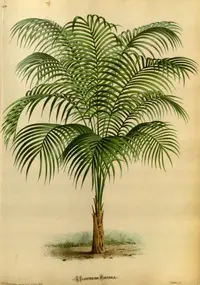
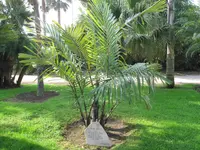
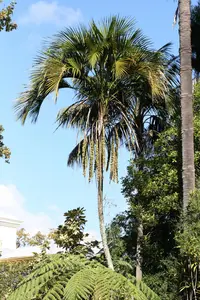
Curly palm (Howea belmoreana) is a slow-growing, single-trunk palm valued as a long-lived indoor and patio specimen. It forms a slender, upright stem topped with gracefully arching fronds that often have a slightly curved or “curly” look. This species is native to Lord Howe Island off the east coast of Australia, where it grows in sheltered forest environments with mild temperatures and filtered light. In cultivation it is considered moderately easy, provided it is protected from harsh sun, cold drafts, and waterlogged soil. It prefers bright, indirect light, evenly moist but not soggy substrate, and a well-drained potting mix, which helps make it easier to care for Curly palm over time.

Main Plant Requirements

Care Difficulty

Moderate Care

Light Preference

Bright Indirect Light

Water Requirements

Moderate Water

Temperature Preference

Tropical / Frost Sensitive

Hardiness Zone

10–11

Soil Texture

Sandy, Loamy, Organic-rich

Soil pH

Acidic (5.5–6.5), Slightly acidic (6.5–7.0)

Soil Drainage

Moist but well-drained

Fertilization

Light (every 4–6 weeks)

Get Personalized Care Plan

Scan your plant to receive care tips personalized for your specific plant

Available on iOS and Android

How to Care for the Curly palm

Howea belmoreana prefers bright, indirect light that mimics dappled forest sun.

  • Provide 4–6 hours of bright, filtered light daily, such as near an east-facing window or under light tree shade outdoors for Curly palm.
  • Tolerates partial shade, but very low light leads to slow growth, stretched fronds, and pale foliage over several months.
  • Avoid harsh midday sun, especially in summer, which can cause brown leaf tips and scorch; increase distance from west or south windows seasonally.

Watering should keep the root zone evenly moist but never saturated.

  • Before watering Howea belmoreana, let the top 2–4 cm of soil dry; check with a finger rather than following a fixed calendar.
  • Use a well-drained mix and allow excess water to run off freely to reduce risk of root rot and sour, swampy-smelling soil.
  • In warmer months, drying happens faster, so monitor more often; in cooler months, extend intervals and watch for drooping, crisp tips as a sign it stayed dry too long.

Stable, mild temperatures support steady growth and limit stress for this palm.

  • Ideal range is 65–80°F (18–27°C), with slightly cooler nights helping normal growth without shocking the plant.
  • Short dips to about 50°F (10°C) are usually tolerated, but avoid frost; tissue damage can start near 32°F (0°C).
  • In hot spells above 90°F (32°C), provide shade and extra air movement, and avoid placing it near heat sources or on reflective, sun-baked surfaces.

This palm prefers moderate, stable indoor humidity and tolerates most household conditions.

  • Aim for 40–60% humidity to reduce browning of leaf tips and edges.
  • It copes with short dry spells, but very dry heated rooms can cause crisp tips and slowed growth in Curly palm.
  • Increase humidity with a nearby humidifier, grouped plants, or a pebble tray rather than frequent misting.

This species prefers a loose, airy, organic-rich mix that drains freely yet retains some moisture.

  • Use a mix of roughly 2 parts peat or coco coir, 1 part compost, and 1–2 parts coarse perlite or fine bark for structure and drainage.
  • Aim for slightly acidic to neutral pH, around 6.0–7.0, which supports nutrient availability for Howea belmoreana.
  • Ensure the mix feels springy, not compacted; add extra perlite, pumice, or bark chips if it stays wet for more than 3–4 days.
  • Avoid heavy garden soil, dense potting mixes, or fine sand that holds water around the roots and encourages rot.

This palm is well suited to container growing when the pot supports its slow, upright, and eventually tall habit.

  • Choose a deep, heavy pot that resists tipping as the plant becomes taller and more top-heavy.
  • Select a container material that matches your watering style, such as terracotta for faster drying or glazed ceramic for slower moisture loss.
  • Raise the pot slightly on feet or spacers so drainage holes clear the saucer and excess water escapes quickly.

Howea belmoreana responds well to light, consistent feeding during the warm growing season.

  • Use a balanced liquid fertilizer (such as 10-10-10) at 1/2 strength every 4–6 weeks in spring and summer.
  • Alternatively, apply a slow-release palm fertilizer or thin layer of mature compost at the start of spring.
  • Stop feeding in late fall and winter when growth slows, especially for Curly palm kept indoors.
  • Water before and after fertilizing to limit root burn and improve nutrient uptake.

Pruning Howea belmoreana focuses on hygiene rather than reshaping the plant.

  • Best timing is late winter to early spring, before active growth, or as soon as fronds become fully brown.
  • Remove only dead, yellowing, or badly damaged fronds, cutting close to the trunk without injuring living tissue.
  • Use clean, sharp pruning shears or a pruning saw; disinfect blades before and after use.
  • Avoid removing healthy green fronds, as this weakens the palm and slows overall growth.

This palm prefers stable conditions, so repotting is infrequent and should be done carefully to avoid root stress.

  • Check for roots circling the pot, pushing out of drainage holes, or noticeably slowed growth as signs to repot.
  • Plan to move to a container 1–2 in wider every 3–5 years, ideally in late spring or early summer.
  • Slide the root ball out gently, loosen only the outermost circling roots, and keep most soil intact.
  • Replant at the same depth in a deep, heavy pot with well-drained mix, then water thoroughly and shade for several days.

Howea belmoreana is slow-growing and usually propagated from seed rather than by home methods.

  • Use fresh, viable seeds, as older seed loses germination capacity quickly.
  • Sow in a sterile, very well-drained mix, keeping temperature around 75–85°F and humidity moderately high.
  • Provide bright, indirect light and consistent, light moisture; avoid waterlogging to prevent rot.
  • Expect slow germination that may take several months, and grow seedlings on gently without disturbing roots.

This palm is frost-sensitive and needs thoughtful winter care in most temperate climates.

  • Keep outdoor plants above 35–40°F; in colder regions, grow in containers and move indoors before frost.
  • For in-ground specimens in mild zones, add 5–8 cm of mulch around the root zone, keeping it off the trunk.
  • Indoors, place in bright, indirect light away from drafts and maintain 60–75°F with moderate humidity.
  • Reduce watering in winter, allowing the top soil to dry slightly while avoiding complete root drying.

Care Tips

Gradual Acclimation

When moving a plant from nursery shade to a brighter room or from indoors to a sheltered patio, increase light levels over 1–2 weeks to prevent leaflet scorch and stress to the fronds.

Stable Container Support

Use a tall, heavy pot or add a layer of washed gravel at the bottom of the container (outside the root zone) to reduce the risk of tipping as the palm develops a tall, slender trunk.

Frond Protection Indoors

Position the plant so long fronds do not brush repeatedly against walls, doors, or walkways, which can cause mechanical damage and browning at leaflet tips over time.

Root Disturbance Minimizing

During repotting, slide the root ball out intact, only loosening the very outer roots and backfilling with fresh mix, as this species dislikes heavy root teasing and rough handling.

Preventive Pest Checks

Inspect the leaflet undersides and leaflet bases every 2–4 weeks, especially on indoor plants, so that any early spider mite or scale infestation is treated promptly before it spreads when growing Curly palm.

Common Pests and Diseases

Spider mites

This pest often appears on indoor Curly palms kept in dry, warm air, causing fine speckling and a dull, dusty look on fronds. Symptoms include very fine webbing between leaflets and gradual yellowing or browning along the leaf edges.

Solution

Rinse fronds thoroughly with a strong but gentle stream of lukewarm water, including the undersides, and repeat weekly until activity stops. Increase humidity around the plant and, if needed, apply a horticultural oil or insecticidal soap labeled for spider mites, keeping the spray off furniture and following the product intervals closely.

Scale insects

These insects attach firmly to frond stems and leaf midribs, appearing as small, tan or brown bumps that exude sticky honeydew. Symptoms include sooty mold growth on the honeydew and gradual yellowing or decline of affected fronds.

Solution

Physically remove visible scale with a cotton swab dipped in isopropyl alcohol and prune heavily infested fronds. Follow up with 2–3 applications of horticultural oil or insecticidal soap at 7–10 day intervals, ensuring thorough coverage of stems and both sides of fronds while monitoring new growth for reinfestation.

Mealybugs

This pest hides in leaf bases, root collars, and along midribs, leaving cottony white clusters and sticky honeydew. Symptoms include distorted new growth, slowed vigor, and sometimes leaf tip dieback.

Solution

Inspect crown and leaf bases closely, then dab visible mealybugs with a cotton swab soaked in isopropyl alcohol and wipe off residues. For larger infestations, shower the plant to dislodge insects and follow with repeated applications of insecticidal soap or a light horticultural oil, making sure to treat hidden crevices where they shelter.

Leaf spot

This disease causes brown, tan, or black spots on fronds, often with yellow halos, and can start where water sits on the leaf surface for long periods. Symptoms include scattered lesions that may merge, leading to patchy dead areas on older fronds.

Solution

Remove and discard badly spotted fronds and avoid wetting the foliage late in the day, watering at the soil level instead. Improve air circulation around the palm and, if spotting continues to spread, use a copper-based or other palm-safe fungicide according to label directions, treating new and existing fronds.

Bud and crown rot

This disease affects the central growing point, often after chronic overwatering or water standing in the crown, leading to soft, brown, foul-smelling tissue and collapse of the newest fronds. Symptoms include fronds that pull out easily from the center and a rapid decline of the plant.

Solution

At early stages, remove all soft, rotted tissue from the crown, improve drainage, and allow the top of the potting mix to dry slightly between waterings while keeping the plant warmer and drier around the crown area. In severe cases recovery is unlikely, so discard the plant and sterilize or discard the potting mix and container before using them to grow Howea belmoreana again.

Interesting Facts

Norfolk Island endemic

This species is naturally restricted to Norfolk Island in the South Pacific, where it grows on steep, exposed ridges and slopes, often facing strong ocean winds and salty air.

Distinctive curved crown

Unlike its close relative Howea forsteriana, this palm develops a characteristically curved, more upright crown with leaflets that tend to arch and curve upward rather than droop.

Island speciation example

It is one of only two Howea species that evolved on the same small island, and genetic studies use this pair as a textbook example of rapid speciation in isolated island environments.

Botan icon

Did you know?

In its native habitat on Norfolk Island, this palm can reach about 10–15 m tall and form part of a very limited and threatened native palm forest ecosystem that occupies only a small fraction of the island’s area.

FAQs about Curly palm

Growth is slow to moderate. In good conditions it typically adds 10–20 cm of height per year. Young plants establish roots first, then gradually form a thicker trunk and fuller crown over many years.

Grow Healthy Plants with Botan Care

Keep your plants happy and healthy with plant identification, disease detection, and easy care guidance.

Botan plant care app — identify plants on mobile

Explore More Plants