marmalade bush Care (Streptosolen jamesonii)

Also known as: orange browallia
marmalade bush

About marmalade bush

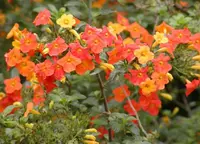
Marmalade bush, Streptosolen jamesonii, is a fast-growing evergreen shrub valued for its bright orange to yellow tubular flowers that appear over a long season. It forms a loose, arching mound with fine-textured foliage, often used in mild climates as a flowering hedge or accent plant.

This species is native to the Andes of South America, where it grows in warm, bright, frost-free locations. In cultivation it prefers plenty of light, moderate moisture, and well-drained soil.

It is considered moderately easy if given enough sun and protection from cold, but can decline quickly in deep shade or soggy conditions. Understanding how to care for marmalade bush helps keep it compact, floriferous, and long-lived.

Main Plant Requirements

Care Difficulty

Moderate Care

Light Preference

Full Sun

Water Requirements

Regular Water

Temperature Preference

Tropical / Frost Sensitive

Hardiness Zone

9–11

Soil Texture

Sandy, Loamy, Organic-rich

Soil pH

Acidic (5.5–6.5), Slightly acidic (6.5–7.0)

Soil Drainage

Moist but well-drained

Fertilization

Moderate (every 2–4 weeks)

Get Personalized Care Plan

Scan your plant to receive care tips personalized for your specific plant

Available on iOS and Android

How to Care for the marmalade bush

Streptosolen jamesonii needs strong light to flower heavily but benefits from some protection from harsh sun.

  • Provide 6–8 hours of bright light daily, with morning sun and light afternoon shade, especially in hot summer climates.
  • Allow partial shade (around 3–4 hours sun) in very warm regions; flowering will decrease if grown in dense shade.
  • Protect marmalade bush from intense afternoon sun in zones with hot, dry summers, which can cause leaf scorch and faded blooms.

Streptosolen jamesonii prefers evenly moist, well-drained soil that never stays soggy for long periods.

  • Water when the top 2–4 cm of soil feels dry, soaking the root zone, then let excess drain freely to avoid root rot.
  • Reduce watering in cool seasons when growth slows, but do not let the soil dry out completely for more than a day or two.
  • Watch foliage for cues: limp, dull leaves and dry soil suggest underwatering, while yellowing lower leaves in wet soil indicate overwatering.

Healthy growth and flowering occur within a mild, frost-free temperature range for this shrub.

  • Aim for 60–75°F (16–24°C) for best growth; brief warmer spells to 80–85°F (27–29°C) are usually tolerated if soil moisture is stable.
  • Avoid temperatures below 40°F (4°C); light frost can damage leaves and young stems, and hard frost may kill the plant to the ground.
  • In regions with cold winters, treat it as a tender shrub, protecting from frost pockets and cold winds, especially during late spring and fall transitions.

This shrub prefers moderately moist air but usually adapts to typical indoor humidity.

  • Aim for 40–60% humidity to support continuous flowering and healthy foliage.
  • Tolerates short periods around 30%, but leaves may curl, brown at tips, or drop if air stays very dry.
  • Increase humidity for marmalade bush by grouping plants, placing pots on pebble trays with water below the base, or running a nearby humidifier.

Streptosolen jamesonii performs best in loose, well‑aerated, sharply drained soil.

  • Use a light loamy mix: 2 parts peat or coco coir, 1 part compost, 1 part perlite or coarse sand.
  • Ensure rapid drainage; water should exit the pot within seconds rather than pooling on the surface.
  • Keep pH slightly acidic to neutral, around 6.0–7.0, to support nutrient uptake and flowering.
  • Avoid compacted, heavy clay or peat‑only mixes that stay wet and reduce root aeration, which encourages root rot.

This species is well suited to container growing for patios, balconies, and movable displays.

  • Choose a wide, stable pot to support its arching, shrubby top growth and reduce tipping in wind.
  • Select a container material that matches your climate, using terracotta in wetter areas to help excess moisture evaporate.
  • Leave a clear gap between soil surface and pot rim so overhead watering does not spill and roots are not repeatedly flooded.

This flowering shrub responds well to moderate feeding during its active season.

  • Use a balanced liquid fertilizer (around 10-10-10 or 20-20-20) diluted to 1/2 strength every 2–4 weeks in spring and summer.
  • In containers, a slow-release fertilizer or light top-dressing with compost can support continuous blooms.
  • Stop or reduce feeding to once every 6–8 weeks in fall and winter, when growth slows.
  • Water before applying fertilizer to avoid root burn and never exceed the label rate for caring for marmalade bush.

Thoughtful pruning keeps Streptosolen jamesonii compact, bushy, and flowering well.

  • Prune lightly after the main flowering flush in late spring or early summer to maintain shape.
  • Remove dead, damaged, or crossing stems with clean, sharp hand pruners to reduce disease risk.
  • Shorten long, leggy shoots by up to 1/3 to encourage branching and more flower buds.
  • Pinch soft tips on young plants during the growing season to create a fuller, denser shrub.

Container-grown plants appreciate periodic repotting to sustain vigorous growth and flowering.

  • Check for roots circling the pot, emerging from drainage holes, or noticeably slower growth as signs it needs more space.
  • Repot in early spring every 2–3 years into a container 2–5 cm wider, using a well-drained, peat-free or peat-reduced mix.
  • Gently loosen congested roots, trim any dead or rotten sections, and set the root ball at the same soil level as before.
  • Water thoroughly after repotting and keep the plant shaded and sheltered for 5–7 days to limit transplant shock.

New plants are most often produced from softwood or semi-ripe stem cuttings.

  • Take 7–10 cm tip cuttings in late spring or summer from non-flowering stems of Streptosolen jamesonii.
  • Remove lower leaves, dip the cut end in rooting hormone, and insert into a moist, free-draining mix of perlite and peat-free compost.
  • Maintain bright, indirect light, high humidity, and warmth around 68–75°F to encourage rooting in 3–6 weeks.
  • Seeds are possible but less reliable; they need warmth, consistent moisture, and light for germination.

This shrub is frost-tender and needs careful winter management in cooler climates.

  • In regions below USDA zone 10, grow in containers so plants can be moved indoors before nights drop near 40°F.
  • Indoors, provide bright light and keep temperatures around 55–65°F to prevent leaf drop and decline.
  • Outdoors in mild climates, apply a 5–8 cm mulch layer around the root zone to buffer soil temperature.
  • Avoid waterlogged soil in winter; allow the top layer to dry slightly between waterings to limit root rot risk.

Care Tips

Support Long Stems

Install a low trellis or horizontal wires and loosely tie new shoots as they extend so the plant forms a stable, mounded framework that keeps heavy flowering stems from splitting or flopping in wind and rain.

Pinch For Rebud

After the main spring flush, lightly pinch back just the soft tips of non-woody shoots to encourage a second wave of branching and blooms without pushing the plant into coarse, woody growth.

Refresh Container Root Zone

Every 1–2 years, slip the plant from its pot in late winter, shave off 1–2 cm of compacted outer roots and top 3–4 cm of exhausted mix, then repot at the same depth with fresh, well-drained medium to maintain vigorous flowering.

Seasonal Outdoor Rotation

In cool climates, grow this shrub in a movable container and shift it outdoors only once frost risk has passed, then bring it back under cover in fall before nights regularly drop below 45°F to avoid cold damage to buds and young shoots.

Monitor For Mites

Inspect the undersides of leaves weekly during hot, dry periods for stippling and fine webbing, and if early spider mite activity appears, rinse foliage thoroughly with a firm water spray on both sides before populations build up, which is a key part of caring for marmalade bush long term.

Common Pests and Diseases

Spider mites

This pest feeds on the undersides of leaves, causing fine stippling, dull foliage, and webbing, especially in warm, dry conditions. Symptoms include slowed growth and premature leaf drop if populations are high.

Solution

Rinse foliage thoroughly with a strong but gentle stream of water, focusing on leaf undersides, then repeat every few days. Increase humidity slightly, isolate the plant, and use insecticidal soap or a horticultural oil labeled for mites, applying in several treatments to break the life cycle.

Whiteflies

These insects congregate on new growth and leaf undersides, flying up in small clouds when the plant is disturbed. Symptoms include sticky honeydew, sooty mold development on leaves, and general decline in vigor.

Solution

Vacuum or shake adults off gently outdoors, then wash the plant with lukewarm water and insecticidal soap, coating leaf undersides. Place yellow sticky traps near the plant to reduce adults and repeat treatments weekly until new growth forms without whiteflies.

Aphids

These insects cluster on tender shoot tips and flower buds, sucking sap and causing curling, distorted new growth. Symptoms include sticky honeydew, reduced flowering, and the presence of ants farming the aphids.

Solution

Pinch or prune heavily infested shoot tips, then wash the plant thoroughly with water and insecticidal soap, ensuring full coverage of young stems and buds. Monitor regularly and repeat treatments every 5–7 days while populations persist, and remove plant debris that can harbor colonies.

Botrytis blight

This disease affects flowers and tender stems, leading to soft, water-soaked spots that develop gray, fuzzy mold, especially in cool, humid, low-light conditions. Symptoms include browned, collapsing blooms and dieback of young shoots.

Solution

Remove and discard all affected flowers and stems, then improve air movement and reduce overhead watering so foliage dries quickly. Space plants so they are not crowded, avoid wetting flowers, and if needed apply a labeled fungicide at the first sign of spotting to protect healthy tissue.

Powdery mildew

This disease produces white, powdery patches on leaves and young stems when air is humid but the foliage stays relatively dry. Symptoms include distorted new growth, reduced flowering, and gradual leaf yellowing and drop.

Solution

Prune to open the plant for better airflow and remove the worst-affected leaves, disposing of them in the trash. Water at the base in the morning, avoid overcrowding, and use a suitable fungicidal spray or potassium bicarbonate product at early stages as part of broader Streptosolen jamesonii care instructions.

Interesting Facts

Color-shifting blossoms

The flowers open yellow and gradually shift through orange to a deep reddish-orange as they age, so a single plant often shows several colors at once. This color change is linked to pigment shifts in the petals and helps attract pollinators over a longer period.

Hybrid origin debates

Botanists have proposed that this species may be of hybrid origin within the nightshade family, based on its floral structure and some genetic evidence. Its exact relationships inside Solanaceae are still studied and not fully resolved.

Long-season floriferous shrub

In mild, frost-free climates it can flower for many months, often from late winter into summer. This unusually long blooming season for a woody shrub has made it a favored ornamental in coastal and Mediterranean-type regions.

Botan icon

Did you know?

The original scientific description of this species was based on plants cultivated in European gardens in the 19th century, and only later was its wild origin in the Andean regions of Ecuador and northern Peru clarified by field botanists.

FAQs about marmalade bush

Poor flowering usually comes from low light, heavy pruning at the wrong time, or exhausted nutrients. Old, woody stems bloom less, so light post-bloom pruning and balanced fertilizer support growing marmalade bush with stronger, more frequent flower displays.

Grow Healthy Plants with Botan Care

Keep your plants happy and healthy with plant identification, disease detection, and easy care guidance.


Botan plant care app — identify plants on mobile

Explore More Plants