Stabilize heavy rosettes
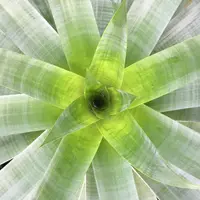
As the rosette enlarges and offsets form, pack coarse, clean gravel or lava rock around the base to stabilize the plant and prevent it from toppling, especially in tall or lightweight containers.

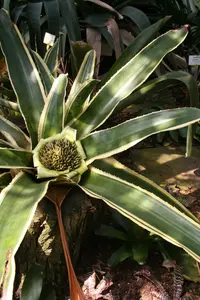
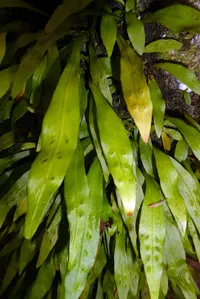
Hohenbergia augusta is a terrestrial bromeliad from eastern Brazil, typically found in rocky or coastal habitats. It forms a stiff rosette of broad, arching leaves with spines along the margins.
Mature plants develop a tall, striking flower spike that emerges from the center of the rosette, giving it strong architectural value in collections and landscapes. The foliage often shows subtle banding or shading that becomes more pronounced in bright light.
This species prefers warm conditions, bright filtered light, and free-draining, gritty substrates. Its tolerance of sun, wind, and short dry periods makes it moderately easy to care for Hohenbergia augusta when drainage and airflow are good.

Care Difficulty
Moderate Care

Light Preference
Partial Shade

Water Requirements
Moderate Water

Temperature Preference
Tropical / Frost Sensitive

Hardiness Zone
10–12

Soil Texture
Sandy, Loamy, Organic-rich

Soil pH
Acidic (5.5–6.5)

Soil Drainage
Well-drained

Fertilization
Light (every 4–6 weeks)
Scan your plant to receive care tips personalized for your specific plant
Available on iOS and Android
This species prefers bright, filtered light similar to high, broken forest canopy conditions.
Watering should keep the central tank filled while allowing the root zone to dry slightly between soakings.
This bromeliad prefers warm, frost-free conditions with stable temperatures through the growing season.
This bromeliad prefers moderately humid air but adapts to typical indoor conditions if not kept very dry.
This species prefers an open, fast-draining, organic-rich mix similar to other tank bromeliads.
This species is well-suited to container culture, especially for patios, balconies, or bright outdoor spots in mild climates.
This bromeliad benefits from light, steady feeding rather than heavy applications.
Pruning needs for Hohenbergia augusta are minimal and mainly hygiene focused.
Container-grown plants need only occasional repotting, as this bromeliad prefers slightly tight conditions.
This species is most reliably propagated by offsets rather than seed in home conditions.
This bromeliad is sensitive to freezing temperatures and benefits from basic winter protection in most climates.

Plant Health Check
Not sure what's wrong with your plant? Check your plant's health inside the app.
This bromeliad forms a tight rosette that naturally holds water in its central tank, providing a small aquatic microhabitat for insects and other organisms in its native range.
The leaves are armed with firm marginal spines, which help protect the plant from herbivores and also reduce damage in exposed coastal and rocky habitats where it often occurs.
Its flowering structure has stiff branches and often colorful bracts that help attract pollinators, while the true flowers are relatively small and short-lived.
Lack of blooming usually comes from insufficient light, nutrient-poor or constantly soggy medium, or a plant that has not yet matured. Ensure strong indirect light, balanced fertilization, excellent drainage, and avoid disturbing healthy offsets before flowering age.
Keep your plants happy and healthy with plant identification, disease detection, and easy care guidance.