


Cool-night management
Use an indoor thermometer and slightly open a window or move the plant to a cooler room at night in spring–fall to provide a 5–10°F drop, which helps trigger stronger flowering spikes when growing Miltoniopsis phalaenopsis.

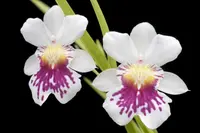
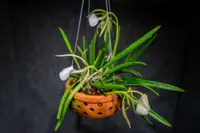
Miltoniopsis phalaenopsis is an epiphytic orchid known for its flat, pansy-like flowers and compact growth. It typically forms fans of thin, strap-shaped leaves from clustered pseudobulbs. Native to cool, moist cloud forests of the Andes in South America, it prefers mild temperatures, gentle air movement, and high ambient humidity. The flowers often show broad, overlapping segments with striking patterns or a contrasting mask-like center. This species is considered moderately challenging, as it dislikes heat, drying out, or stale, soggy potting mix. Understanding how to care for Miltoniopsis phalaenopsis starts with providing stable moisture, soft filtered light, and an airy orchid substrate.

Care Difficulty
Hard Care

Light Preference
Bright Indirect Light

Water Requirements
Keep Soil Moist

Temperature Preference
Tropical / Frost Sensitive

Hardiness Zone
Unknown

Soil Texture
Peaty, Organic-rich

Soil pH
Acidic (5.5–6.5)

Soil Drainage
Moist but well-drained

Fertilization
Moderate (every 2–4 weeks)
Scan your plant to receive care tips personalized for your specific plant
Available on iOS and Android
This orchid prefers bright, gentle light that avoids harsh midday sun.
Watering must keep the roots evenly moist without turning the medium soggy.
Stable, cool- to intermediate temperatures support healthy growth and flowering.
This orchid needs consistently moist air to prevent leaf and bud damage.
This orchid grows best in a loose, airy medium rather than conventional potting soil.
This species is well suited to container growing when the pot supports its shallow, fine roots.
This orchid benefits from light, consistent feeding during active growth but is sensitive to overfertilizing.
Pruning needs for Miltoniopsis phalaenopsis are minimal and focus on hygiene rather than shaping.
This orchid responds best to careful repotting into fresh, airy medium before the pot becomes crowded.
Propagation of Miltoniopsis phalaenopsis is usually done by division rather than from seed at home.
This orchid is not frost hardy and must be treated as an indoor or heated greenhouse plant in winter.

Plant Health Check
Not sure what's wrong with your plant? Check your plant's health inside the app.
This species was first described from cool, misty cloud forests of Colombia, where it grows as an epiphyte on tree trunks near waterfalls and streams, benefiting from constant air movement and very high humidity.
Its flowers are notable for a broad, flat lip with rounded outlines and intricate blotches that resemble garden pansies, a trait that influenced its early horticultural comparison to pansy orchids in the genus Miltonia.
The blooms often produce a sweet, sometimes citrus-like fragrance during the day, which helps attract specific insect pollinators in its native range, even though the flowers do not provide nectar rewards.

Miltoniopsis phalaenopsis played a key role in early breeding programs for so-called pansy orchids, contributing its large, flat flowers and distinctive facial markings to many modern hybrids now common in orchid collections worldwide.
Lack of blooms often comes from insufficient day–night temperature difference, depleted nutrients, or stress from recent repotting. Provide a slight nightly temperature drop, use a balanced orchid fertilizer, and avoid disturbing the roots during spike initiation.
Keep your plants happy and healthy with plant identification, disease detection, and easy care guidance.


Blushing Philodendron
Philodendron erubescens 'Pink Princess'
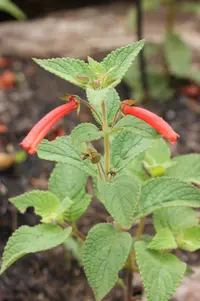
Sinningia incarnata
Sinningia incarnata
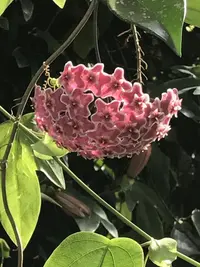
Wax Plant
Hoya pubicalyx 'Pink Silver'
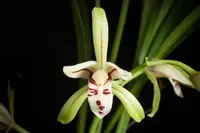
Bamboo-leaf orchid
Cymbidium lancifolium

golden ragwort
Packera aurea

Black sapote
Diospyros nigra
 POPULAR
Lady of the Night Orchid
Brassavola nodosa

Channelled boat-lip orchid
Cymbidium canaliculatum