roseleaf sage Care (Salvia involucrata)

roseleaf sage

About roseleaf sage

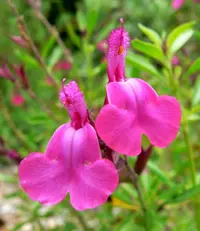
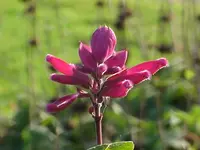
Roseleaf sage (Salvia involucrata) is a shrubby perennial from cloud forests of Mexico and Central America, valued for its long season of vivid pink flowers. It typically forms a leafy, upright clump with soft green foliage and tall flowering stems that attract hummingbirds and pollinators in mild climates.

This species suits mixed borders, wildlife gardens, and, in cooler regions, large containers that can be protected from frost. It is considered moderately easy to grow if given sun, shelter from strong wind, and soil that drains well but does not dry out completely, which helps clarify how to care for roseleaf sage.

Main Plant Requirements

Care Difficulty

Moderate Care

Light Preference

Full Sun

Water Requirements

Moderate Water

Temperature Preference

Tropical / Frost Sensitive

Hardiness Zone

8–10

Soil Texture

Sandy, Loamy, Organic-rich

Soil pH

Acidic (5.5–6.5), Slightly acidic (6.5–7.0)

Soil Drainage

Moist but well-drained

Fertilization

Light (every 4–6 weeks)

Get Personalized Care Plan

Scan your plant to receive care tips personalized for your specific plant

Available on iOS and Android

How to Care for the roseleaf sage

This species prefers strong light with some protection from extreme midday sun for steady growth and flowering.

  • Provide 6–8 hours of sun daily, ideally with morning sun and light afternoon shade, especially in hot summer regions.
  • Tolerates partial shade (around 4 hours of direct sun), but roseleaf sage may bloom less and grow lanky in too much shade.
  • In very bright, hot climates, use filtered light or light mulch to protect roots; leaves that scorch, curl, or bleach indicate excessive sun exposure.

Water needs are moderate and depend strongly on soil drainage and seasonal temperatures.

  • Allow the top 3–5 cm of soil to dry before deep watering, then moisten the root zone thoroughly rather than giving frequent light splashes.
  • In spring and summer, expect faster drying and more frequent watering; reduce frequency in cooler months while avoiding complete, prolonged dryness.
  • Use well-drained soil to prevent root rot; yellowing, soft stems suggest overwatering, while dull, drooping leaves that perk up after watering indicate underwatering in Salvia involucrata.

This plant prefers mild, frost-free conditions for reliable growth and flowering.

  • Optimal growth occurs around 65–80°F (18–27°C), with warm days and slightly cooler nights supporting strong shoots and flower production.
  • It is frost-sensitive; protect or mulch plants when temperatures near 32°F (0°C), and expect top growth to die back if exposed to hard frost.
  • Tolerates short heat spells up to about 90–95°F (32–35°C) if soil moisture is stable; in very hot periods, extra shade and consistent watering reduce heat stress.

This species handles a wide humidity range and usually does not need special humidity management outdoors.

  • Target 40–60% humidity, which suits most homes and outdoor conditions where roseleaf sage is grown.
  • Dry air rarely harms established plants, but prolonged hot, very dry wind can cause leaf edges to brown.
  • If foliage crisps in dry heat, group plants, use windbreaks, or apply mulch to reduce moisture loss from leaves and soil.

Salvia involucrata grows best in loose, well-drained, moderately fertile soil.

  • Use a loamy soil with plenty of organic matter, such as a mix of garden loam, compost, and coarse material for structure.
  • Aim for pH 6.0–7.5; slightly acidic to neutral conditions support nutrient availability and root health.
  • Improve drainage and aeration by adding coarse sand, perlite, or fine gravel, especially in heavy or compacted ground.
  • Avoid waterlogged, clay-heavy, or constantly soggy sites, which encourage root rot and weak, soft growth.

This species is well suited to container growing for patios and small gardens.

  • Choose a wide, heavy container to stabilize tall, top-heavy stems against wind and accidental knocks.
  • Select a pot depth that allows at least 25–30 cm of root space so the plant can anchor and resist tipping.
  • Use a fast-draining potting mix and ensure drainage holes stay clear so water flushes through quickly after watering.

Nutrient-rich soil supports strong growth and flowering in Salvia involucrata without heavy feeding.

  • Use a balanced liquid fertilizer (around 10-10-10 or 20-20-20) at 1/2 strength every 4–6 weeks during spring–summer.
  • Alternatively, top-dress with compost or use a slow-release granular fertilizer at the start of the growing season.
  • Skip feeding in late fall–winter to avoid weak, frost-tender growth.
  • Always water before applying fertilizer to reduce root burn and distribute nutrients evenly.

Thoughtful pruning keeps Salvia involucrata compact, flowering well, and long-lived.

  • Use clean hand pruners in late winter or very early spring to cut back old stems to a low framework above new buds.
  • During the growing season, remove dead, damaged, or crossing stems to improve air flow and reduce disease risk.
  • Lightly shape leggy shoots to maintain a bushy form and encourage more flowering stems.
  • Deadhead spent flower spikes through summer–fall to prolong blooming and keep plants tidy.

Container-grown roseleaf sage and young garden plants benefit from timely repotting or transplanting to maintain vigorous growth.

  • Check for roots circling the pot base, water running straight through, or slowed growth as cues to move up 1 pot size.
  • Plan repotting or transplanting for early–mid spring, or early fall in mild climates, to allow roots to re-establish.
  • Gently loosen circling roots, trim any dead portions, and set the plant at the same soil level in fresh, well-drained mix.
  • Water thoroughly after moving, then keep soil evenly moist and shaded from harsh sun for 3–7 days to limit transplant shock.

Salvia involucrata is commonly propagated to renew clumps and produce uniform plants.

  • Take 7–10 cm softwood or semi-ripe stem cuttings in late spring–summer, removing lower leaves and flowering tips.
  • Insert cuttings into a free-draining mix, keep at 65–75°F with high humidity and bright, indirect light for rooting.
  • Divide established clumps in early spring, replanting vigorous sections into well-prepared soil or containers.
  • Sow fresh seeds in spring on the surface of a light seed mix, keeping slightly moist and warm until germination.

Salvia involucrata is only moderately frost tolerant and benefits from winter protection in cool climates.

  • In USDA zones below 8, grow in containers or treat as a tender perennial, moving pots indoors before hard frost.
  • After first frost, cut back blackened stems and apply a 5–10 cm mulch layer around the root zone in the ground.
  • Overwinter indoor pots in a cool, bright spot, watering sparingly to keep the soil just barely moist.

Care Tips

Provide sturdy stakes

Install bamboo canes or other slim stakes early in the season and loosely tie stems with soft garden ties in a figure‑8 to keep the tall, brittle growth from snapping in wind or heavy rain.

Pinch for bushiness

When new shoots reach 10–15 cm, pinch out just the soft tips with clean fingers or snips to encourage multiple side branches and a fuller, more floriferous plant.

Manage late-season growth

In regions with frost, stop pinching and heavy pruning by mid to late summer so stems have time to harden and set strong flowering shoots before cold weather arrives.

Layer stems for backup plants

In midsummer, bend a flexible non-flowering stem to the soil, lightly wound the underside, peg it down, and cover with 2–3 cm of soil so it can root in place and form a replacement clump if the main plant declines.

Monitor for wind exposure

In very windy sites, position plants near a fence or shrub line that breaks prevailing winds, or group several together, to reduce mechanical stress on stems and improve long-term structural stability when growing roseleaf sage.

Common Pests and Diseases

Aphids

This pest often clusters on soft shoot tips and flower stems, sucking sap and causing distorted new growth and sticky honeydew on roseleaf sage. Symptoms include curling leaves, stunted shoots, and sooty mold growing on the honeydew in damp conditions.

Solution

Prune off heavily infested shoot tips, then wash remaining stems and leaves with a strong but controlled stream of water. For ongoing problems, apply insecticidal soap or a light horticultural oil to all soft tissue, repeating every 5–7 days until colonies are gone, and encourage predators like lady beetles outdoors when possible.

Whiteflies

These insects congregate on the undersides of leaves, quickly flying up in a cloud when the plant is disturbed and weakening plants by continuous sap feeding. Symptoms include yellowing leaves, reduced flowering, and honeydew that may support sooty mold.

Solution

Shake or tap stems to confirm activity, then use yellow sticky traps around the plant to reduce adult numbers. Combine this with regular leaf washing and targeted applications of insecticidal soap or neem oil to the undersides of leaves, repeating weekly until populations drop, and improve airflow to make conditions less favorable.

Spider mites

This pest thrives on Salvia involucrata during hot, dry weather, feeding on leaf cells and causing fine stippling, bronzing, and a dull, dusty appearance. Symptoms include very fine webbing between leaves and stems, especially on stressed plants or those grown in low humidity.

Solution

Rinse foliage thoroughly, including leaf undersides, with cool water every few days to knock down mites and raise local humidity. For heavier infestations, use insecticidal soap or a miticide labeled for spider mites, applied in repeated treatments, and avoid prolonged drought stress that encourages outbreaks.

Powdery mildew

This disease appears as white to gray powdery patches on upper leaf surfaces and young stems, especially when days are warm and nights are cool and humid. Symptoms include distorted new growth, premature leaf drop, and a general reduction in vigor and flowering.

Solution

Remove and discard the most affected leaves to reduce spore load, then improve spacing and airflow so foliage dries quickly. In climates where powdery mildew recurs, apply a preventive fungicide labeled for ornamental powdery mildew or use sulfur or potassium bicarbonate sprays at the first sign of infection and avoid frequent overhead watering late in the day.

Botrytis blight

This disease causes soft, water-soaked spots on leaves, buds, and flower spikes that turn brown and develop fuzzy gray mold in cool, damp conditions. Symptoms include collapsing flower stems, rotting petals, and a general dieback of tender, crowded growth.

Solution

Promptly remove and discard all affected flowers and leaves and keep spent blooms deadheaded to reduce infection sites. Improve air circulation, avoid wetting foliage in the evening, and in persistent wet weather use a labeled fungicide for Botrytis on ornamental plants while adjusting irrigation so the soil stays moist but not saturated.

Interesting Facts

Hummingbird specialist

The long tubular flowers of this species are shaped and positioned to favor pollination by hummingbirds, which can easily reach the nectar while dusting their heads with pollen.

Autumn flower surge

In mild climates, this plant often produces its heaviest flush of bright pink flowers in late summer to autumn, providing nectar when many other garden plants have finished blooming.

Hybrid parentage role

Salvia involucrata has been widely used in ornamental breeding as a parent species, contributing strong pink flower color and long blooming season to several modern garden hybrids.

Botan icon

Did you know?

The species name involucrata refers to the conspicuous leafy bracts, called an involucre, that surround the flower clusters and make the blooms appear larger and more showy than in many other salvias.

FAQs about roseleaf sage

Lack of blooms usually comes from insufficient light, heavy fertilizing with high nitrogen, or old, unpruned stems. Reduce nitrogen, provide strong light, and trim back older growth in late winter to encourage new, flowering shoots.

Grow Healthy Plants with Botan Care

Keep your plants happy and healthy with plant identification, disease detection, and easy care guidance.

Botan plant care app — identify plants on mobile

Explore More Plants