Rosy-flowered Everlasting-pea Care (Lathyrus roseus)

Rosy-flowered Everlasting-pea

About Rosy-flowered Everlasting-pea

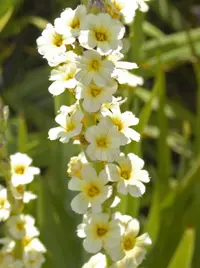
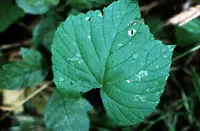
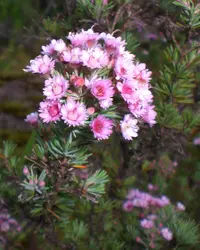
Rosy-flowered everlasting-pea (Lathyrus roseus) is a perennial climbing vine in the pea family, grown mainly for its soft pink pea-like flowers. It typically produces slender stems that scramble through nearby shrubs or supports, with paired leaflets and tendrils that help it cling and climb.

This species is reported from temperate regions of Eurasia, usually in open, sunny habitats with reasonably well-drained soils. It is generally moderate in difficulty, as it needs support, consistent moisture, and protection from very harsh conditions.

Gardeners who care for Rosy-flowered Everlasting-pea often value it for adding gentle color and a naturalistic look to borders, cottage gardens, and wildlife-friendly plantings.

Main Plant Requirements

Care Difficulty

Moderate Care

Light Preference

Full Sun

Water Requirements

Regular Water

Temperature Preference

Cool Climate

Hardiness Zone

5–8

Soil Texture

Sandy, Loamy, Organic-rich

Soil pH

Acidic (5.5–6.5), Slightly acidic (6.5–7.0)

Soil Drainage

Moist but well-drained

Fertilization

Light (every 4–6 weeks)

Get Personalized Care Plan

Scan your plant to receive care tips personalized for your specific plant

Available on iOS and Android

How to Care for the Rosy-flowered Everlasting-pea

This perennial pea prefers bright conditions but needs some protection from harsh sun.

  • Provide 6–8 hours of sun daily, with morning sun and light afternoon shade ideal, especially in hotter regions.
  • Tolerates light or dappled shade, but flowering of Rosy-flowered Everlasting-pea is reduced if it receives less than 4–5 hours of direct light.
  • In summer, shield from intense afternoon sun to prevent leaf scorch; in cooler months, allow more direct exposure to support vigorous growth.

This species prefers evenly moist, well-drained soil and does not tolerate prolonged dryness or saturation.

  • Water when the top 3–5 cm of soil feels dry, aiming for deep soaking rather than light surface sprinkling.
  • During active spring–early summer growth, increase watering as foliage and flowers develop; reduce in late summer once flowering declines and top growth slows.
  • Watch for yellowing, soft stems as a sign of overwatering and root stress, or limp, curling leaves and dry soil as indications that Lathyrus roseus needs water.

This cool-season perennial pea grows best in mild, temperate conditions without temperature extremes.

  • Optimal growth occurs at 55–70°F (13–21°C), with strong flowering in cool springs and mild early summers.
  • Plants tolerate light chill down to around 25°F (-4°C) once established, but young shoots and buds are damaged by hard frost, so late frosts may reduce bloom.
  • In hot spells above 85°F (29°C), flowering declines and foliage may scorch; provide mulch and some afternoon shade to keep roots and surrounding air cooler.

This species grows best in moderate humidity and usually does not need special humidity control outdoors.

  • Aim for 40–60% humidity; it tolerates slightly drier air but may decline in prolonged very dry, windy sites.
  • Watch for crisp leaf edges, pale new growth, and flower bud drop as signs of low humidity stress, especially in heat.
  • Increase local humidity by pairing plants closely, adding mulch to keep root zones evenly moist, and avoiding hot reflective walls.

Provide loose, well-drained, moderately fertile soil to support healthy Lathyrus roseus growth.

  • Use a loamy structure with a mix of mineral particles and organic matter so roots spread easily and oxygen reaches deeper layers.
  • Aim for slightly alkaline to neutral pH around 7.0–7.5, avoiding very acidic ground that limits nutrient availability for this legume.
  • Blend garden loam with 20–30% compost and 10–20% sharp sand or fine grit to improve both nutrient content and drainage.
  • Avoid compacted clay, waterlogged hollows, or pure sand; if soil is heavy, raise the bed and incorporate coarse grit for aeration.

This species can be grown in containers if the pot supports its climbing habit and root depth.

  • Choose a container at least 30–40 cm deep so the taproot can extend without curling tightly at the base.
  • Use a heavy or weighted pot to prevent tipping once the vine climbs and creates a top-heavy canopy on its support.
  • Ensure drainage holes stay clear and elevate the pot slightly so excess water can exit quickly after rain or irrigation.

This perennial pea benefits from light feeding but grows in moderately fertile soil without heavy fertilization.

  • Apply a balanced NPK granular fertilizer or slow-release formulation at half strength once in early spring as growth starts.
  • On poorer soils, top-dress with a thin layer of well-rotted compost to support flowering in Rosy-flowered Everlasting-pea.
  • If growth remains active, repeat a light application mid-season, avoiding high-nitrogen products that favor leaves over blooms.
  • Stop feeding in late summer and provide no fertilizer during winter dormancy to prevent weak, tender growth.

Lathyrus roseus responds well to thoughtful pruning that maintains flowering performance and a tidy shape.

  • Carry out main pruning in late winter or very early spring before new growth extends.
  • Remove dead, damaged, or diseased stems first, then thin the most crowded or weak shoots to improve air flow.
  • Lightly shorten excessively long stems to control spread while keeping a natural, arching habit.
  • Use clean, sharp hand pruners and make angled cuts just above healthy buds or branching points.

This species is more often transplanted in the ground than grown long term in containers, where it dislikes root disturbance.

  • Check containers for roots circling, drying quickly, or noticeably slowed growth as cues for repotting or transplanting.
  • Plan moves for early spring or early fall, about every 2–3 years if container-grown, when temperatures are mild.
  • Water thoroughly the day before, then slide the root ball out gently, keeping soil intact around the roots.
  • Replant at the same depth in a prepared site, water in well, and shade lightly for several days to reduce transplant shock.

This plant is most commonly propagated from seed, with some potential for division in established clumps.

  • Sow fresh seeds in late winter to early spring in trays or pots filled with free-draining seed compost.
  • Lightly scarify hard seed coats and soak seeds for 12–24 hours to improve germination rates.
  • Keep the medium evenly moist at 60–70°F with bright, indirect light until seedlings emerge.
  • For mature clumps, divide in early spring, ensuring each division has several shoots and a healthy root portion.

This perennial is generally cold hardy in temperate climates and usually needs only modest winter attention.

  • In colder regions, apply a 5–8 cm mulch over the root zone after the ground cools, keeping it off the crowns.
  • Allow top growth to die back naturally, then cut down spent stems in late winter or early spring.
  • For container plants in harsh winters, move pots to a sheltered, unheated but frost-sheltered spot to prevent root damage.

Care Tips

Provide low trellis

Use a short, fine-mesh trellis or pea netting 30–60 cm high so the plant can climb lightly, which keeps stems off wet soil and reduces rot and slug damage.

Cool-root mulching

Apply a 2–3 cm layer of fine compost or leaf mold around the base in late spring to keep roots cool and moist without burying the crown, which supports steady flowering.

Targeted slug control

Place rough copper tape or wool pellets in a ring around young plants and remove hiding spots like boards or dense debris nearby to protect tender shoots from slug and snail feeding.

Gentle stem tying

Use soft garden ties or strips of old cotton fabric to loosely secure new shoots to their support, avoiding tight knots that can cut into stems as they thicken.

Planned succession planting

Stagger sowing or planting in 2–3 waves spaced 2–3 weeks apart in spring so that when earlier plants begin to tire, later ones extend the display, which is especially helpful when growing Rosy-flowered Everlasting-pea for a longer season.

Common Pests and Diseases

Aphids

These insects cluster on tender stems, buds, and undersides of leaves, sucking sap and causing distortion, sticky honeydew, and sooty mold growth.

Solution

Spray plants with a firm stream of water to dislodge colonies, then treat remaining aphids with insecticidal soap or a ready-to-use horticultural oil, repeating weekly until controlled; support natural predators such as ladybird beetles by avoiding broad-spectrum insecticides.

Powdery mildew

This disease causes whitish, powdery patches on leaves and stems, often starting on older foliage and leading to yellowing and premature leaf drop in humid, crowded plantings.

Solution

Improve airflow by thinning crowded stems and avoiding overhead watering, then treat affected plants with a sulfur or potassium bicarbonate fungicide labeled for ornamentals; remove heavily infected leaves and plant debris to reduce reinfection, especially important when growing Lathyrus roseus in still, sheltered spots.

Pea thrips

These insects feed inside developing buds and flowers, causing streaked, deformed petals and speckled, silvery damage on foliage.

Solution

Monitor flowers with sticky traps and by gently tapping blooms over white paper, then apply insecticidal soap or a systemic product labeled for thrips if populations are high; remove and dispose of heavily damaged flower spikes to reduce breeding sites and break the life cycle.

Pea downy mildew

This disease produces pale, yellow patches on upper leaf surfaces with grayish to purplish down on the undersides, and can stunt growth in cool, damp conditions.

Solution

Water at soil level in the morning, avoid wetting foliage, and space plants to dry quickly after rain; promptly remove and discard infected leaves, and where the problem repeats, rotate the planting site and use a downy mildew fungicide labeled for edible or ornamental peas as a preventive spray in cool, wet spells.

Pea leaf weevil

This pest creates scalloped notches along leaf edges, and its larvae feed on root nodules, which can reduce nitrogen fixation and overall vigor.

Solution

Inspect foliage regularly in spring and hand-pick adult beetles where feasible, using floating row covers in outdoor plantings during peak activity; encourage healthy root growth with balanced nutrition and consider targeted soil or foliar treatments only if damage is severe and confirmed as pea leaf weevil by local extension guidance.

Interesting Facts

Naturally rosy flowers

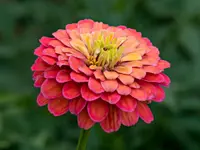
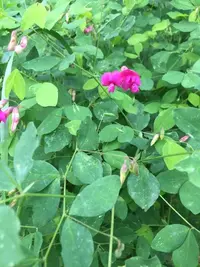
This species produces soft rosy-pink pea-shaped flowers, a distinctive color tone within its genus that helps distinguish it from the more commonly cultivated sweet peas with stronger contrasting bicolors.

Specialized climbing tendrils

Like many perennial peas, it uses leaf tendrils to climb nearby supports, allowing the plant to reach light without investing energy in thick, woody stems.

Nitrogen-fixing partnership

As a legume, it forms root nodules that host nitrogen-fixing bacteria, which convert atmospheric nitrogen into forms usable by plants and can modestly enrich the surrounding soil over time.

FAQs about Rosy-flowered Everlasting-pea

This species grows as a twining vine. It climbs by wrapping its slender stems and tendrils around supports, but can also scramble through neighboring plants if unsupported, forming loose mounds rather than a dense ground cover.

Grow Healthy Plants with Botan Care

Keep your plants happy and healthy with plant identification, disease detection, and easy care guidance.

Botan plant care app — identify plants on mobile

Explore More Plants