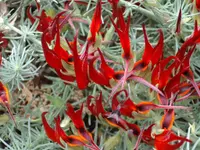
Columnea nicaraguensis Care

Columnea nicaraguensis

About Columnea nicaraguensis

Columnea nicaraguensis is a tropical evergreen trailing plant in the African violet family, grown mainly for its arching stems and tubular flowers. It is usually kept in hanging baskets or on high shelves, where its stems can cascade freely.

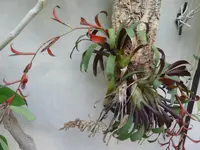
In nature, it occurs as an epiphyte in humid forests of Central America, often growing on trees rather than in soil. Flowers are typically bright and showy, attracting hummingbirds in habitat, while the foliage stays relatively fine-textured.

For indoor growers, the main challenges are providing stable warmth, high ambient humidity, and gentle bright light without harsh sun. Once those needs are met, it can be a rewarding choice for those who want to care for Columnea nicaraguensis in a home setting.

Main Plant Requirements

Care Difficulty

Moderate Care

Light Preference

Bright Indirect Light

Water Requirements

Moderate Water

Temperature Preference

Tropical / Frost Sensitive

Hardiness Zone

11–12

Soil Texture

Loamy, Peaty, Organic-rich

Soil pH

Acidic (5.5–6.5), Slightly acidic (6.5–7.0)

Soil Drainage

Moist but well-drained

Fertilization

Light (every 4–6 weeks)

Get Personalized Care Plan

Scan your plant to receive care tips personalized for your specific plant

Available on iOS and Android

How to Care for the Columnea nicaraguensis

This trailing gesneriad prefers bright, filtered light similar to a forest edge or bright veranda.

  • Provide 4–6 hours of bright, indirect light daily; gentle morning sun is preferred, while harsh midday and afternoon sun should be filtered through sheer curtains or light shade.
  • Tolerates partial shade, but flowering of Columnea nicaraguensis declines when grown in less than 3–4 hours of bright, indirect light and stems may become leggy.
  • In summer, protect from intense sun that can scorch leaves; in winter, move closer to brightest windows or supplement with grow lights to compensate for short days.

This species prefers evenly moist but never waterlogged conditions around the root zone.

  • Water when the top 2–3 cm of soil feel dry, using enough water to moisten the full root depth, then let excess drain away completely.
  • In spring and summer, you may water more often as growth and evaporation increase; in fall and winter, extend intervals and let the surface dry a bit deeper.
  • Yellowing, soft leaves and a sour soil smell suggest overwatering and poor drainage; limp, thin leaves and very light pots or dry ground indicate underwatering.

This cloud-forest plant thrives in stable, mild temperatures without strong extremes.

  • Aim for 65–80°F (18–27°C) for steady growth, avoiding rapid swings between day and night that can stress foliage and buds.
  • Protect from cold; growth slows below about 60°F (16°C), and sustained temperatures under 50°F (10°C) can cause damage, especially to young shoots.
  • The plant does not tolerate frost; in hot spells above 85°F (29°C), increase air movement and shade slightly to prevent leaf scorch and flower drop.

This plant prefers elevated humidity and reacts quickly to prolonged dry air indoors.

  • Aim for 60–80% humidity; it tolerates brief dips to 40–50% but growth and flowering may slow.
  • Watch for curled, crispy leaf edges and flower bud drop as signs of low humidity stress in Columnea nicaraguensis.
  • Increase humidity using a nearby humidifier, grouped plants, or a wide pebble tray, avoiding misting that wets foliage heavily.

This species needs a loose, airy, organic-rich mix that drains rapidly yet holds steady moisture.

  • Use a peat- or coco-based mix with added fine bark and perlite to create a fibrous, well-aerated structure.
  • Target a slightly acidic pH around 5.8–6.5, which supports nutrient availability and root health.
  • Ensure very fast drainage; water should exit the pot within seconds rather than pooling on the surface.
  • Avoid dense garden soil, heavy compost-only mixes, or any blend that stays wet, which can suffocate Columnea nicaraguensis roots.

This species is well suited to container culture, especially hanging baskets or high shelves.

  • Choose a wide, shallow pot that matches its trailing root system, reducing deep zones of unused, soggy mix.
  • Use a lightweight plastic or thin-walled pot if the mix dries too fast, or porous terracotta where evaporation needs encouragement.
  • Select hanging containers with stable hooks and balanced weight distribution so long vines do not tip or twist the pot.

Light, consistent feeding supports healthy foliage and flowering in Columnea nicaraguensis grown in containers.

  • Use a balanced liquid fertilizer (such as 10-10-10 or 20-20-20) diluted to 1/4–1/2 strength for indoor or basket plants.
  • Feed every 2–4 weeks during the active growing season, once days are bright and growth is visible.
  • Reduce or stop fertilizing in winter, when growth slows under lower light and cooler temperatures.
  • Avoid heavy compost or slow-release pellets in small pots, which can cause salt buildup and root stress.

Thoughtful pruning helps maintain a neat, flowering form and encourages bushier growth in Columnea nicaraguensis.

  • Plan main pruning for late winter or early spring, just before strong new growth begins.
  • Remove dead, damaged, or very thin trailing stems back to a healthy node using clean, sharp scissors.
  • Shorten overly long, leggy shoots to encourage branching and more flowering points along the stems.
  • After pruning, keep the plant in bright, indirect light to support quick recovery and new shoots.

Container-grown plants of this species benefit from occasional repotting to refresh the root zone and maintain vigor.

  • Check for roots circling the pot, emerging from drainage holes, or a plant that dries out very quickly as signs it needs more space.
  • Plan repotting every 2–3 years in spring, shifting to a container only 2–3 cm wider with fresh, well-drained mix.
  • Gently loosen congested roots and remove a small amount of old medium, avoiding heavy root tearing to limit stress.
  • Water thoroughly after repotting, then keep in bright, indirect light and slightly on the drier side for 3–5 days to allow recovery.

This trailing species is commonly multiplied by stem cuttings taken from healthy, non-flowering shoots.

  • For Columnea nicaraguensis, take 7–10 cm tip cuttings in late spring or summer, choosing firm but flexible stems.
  • Remove lower leaves and insert cuttings into a moist, airy mix; optional rooting hormone can improve success.
  • Maintain high humidity (50–70%) and warm temperatures around 70–75°F with bright, indirect light during rooting.
  • After roots form, pot several cuttings together to create a fuller plant and resume light feeding once growth is steady.

This tropical species is not frost hardy and needs protection in regions with cold winters.

  • Keep temperatures above 55°F; brief exposure to colder air can damage foliage and stems.
  • In frosty climates, grow in containers and move plants indoors to a bright, draft-free spot before night temperatures drop.
  • Reduce watering in winter, allowing the top of the mix to dry slightly to prevent root rot in cool conditions.
  • Avoid cold window glass contact; if needed, add light insulation under pots to keep roots warmer.

Care Tips

Regular stem renewal

Pinch back the newest 2–3 cm of leggy shoots after each main flowering flush to encourage compact growth and fresh flowering stems instead of letting old vines dominate.

Support cascading growth

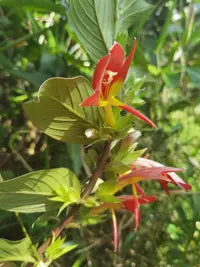
Plant in a hanging basket or on a high shelf and gently guide young shoots over the rim using soft plant clips or plastic-coated wire so stems do not kink at the pot edge.

Clean, dry foliage

Periodically wipe or gently shower dust off leaves, then let them dry quickly with good air movement to reduce fungal spotting and improve light use by the foliage.

Targeted pest scouting

Inspect the underside of leaves and the leaf nodes every 1–2 weeks with a hand lens, as mealybugs and thrips often hide in these areas and are easiest to manage when caught early while caring for Columnea nicaraguensis.

Bloom-cycle resting

After a heavy bloom period, slightly reduce feeding and avoid repotting for 4–6 weeks, allowing the plant to reset energy reserves before pushing the next wave of flowers.

Common Pests and Diseases

Mealybugs

This pest often hides in leaf axils and along stems, feeding on plant sap and causing leaf yellowing, distortion, and sticky honeydew. Symptoms include stunted growth and sooty mold developing on the sugary deposits.

Solution

Isolate the plant, then dab visible mealybugs with cotton swabs dipped in 70% isopropyl alcohol and gently wipe affected areas. Repeat weekly, use a gentle insecticidal soap on all leaf surfaces, and improve air circulation around trailing stems to reduce reinfestation as part of broader Columnea nicaraguensis care instructions.

Western flower thrips

These insects scrape and suck plant tissues, leading to silvery streaks, distorted new growth, and scarring on the tubular flowers. Buds may fail to open or drop prematurely, and petals can show brown or bleached patches.

Solution

Remove heavily damaged flowers and buds, then rinse foliage and stems under a gentle stream of water to dislodge insects. Apply a targeted insecticidal soap or neem oil to leaf undersides and flower stalks, and reduce thrips pressure by using sticky traps and avoiding placing the plant near open, insect-prone vents or doors.

Spider mites

This pest thrives on Columnea foliage kept too dry, causing fine stippling, dull leaves, and eventual leaf drop, often with fine webbing on the undersides. Symptoms include overall plant decline, especially in warm, low-humidity indoor conditions.

Solution

Shower the plant with lukewarm water, focusing on the undersides of leaves, then apply a miticidal soap or neem oil every 5–7 days until new growth appears clean. Increase ambient humidity to 50–60%, keep the plant out of hot, direct drafts, and regularly inspect hanging or trailing sections where mites often start.

Botrytis blight

This disease affects flowers and tender stems in cool, humid, low-light conditions, causing soft brown spots that quickly develop a gray, fuzzy mold. Symptoms include flower drop, blighted stem tips, and a general collapse of affected tissues.

Solution

Promptly remove and discard all affected flowers, leaves, and stem tips, and avoid wetting the foliage when watering. Improve air movement, reduce crowding around the plant, and allow the top of the potting mix to dry slightly between waterings; in severe or persistent cases, a fungicide labeled for Botrytis on ornamentals may be used according to instructions.

Oedema

Symptoms include small, corky, blister-like bumps on the undersides of leaves when roots absorb water faster than leaves can transpire, often in cool, very moist conditions. Leaves may become rough or distorted, though the issue is physiological rather than infectious.

Solution

Allow the top 2–3 cm of the potting mix to dry before watering again, and avoid heavy watering late in the day when temperatures drop. Provide bright, indirect light, ensure good drainage, and maintain moderate humidity and stable temperatures to prevent further blistering on new growth.

Interesting Facts

Bird pollination specialist

In its native Central American cloud forests, this species is pollinated primarily by hummingbirds attracted to its long, tubular, bright red flowers that match the birds’ bill shape and visual preferences.

Epiphytic shrub habit

Columnea nicaraguensis often grows as an epiphyte, rooting on tree branches rather than in soil, where it forms sprawling, semi-woody stems that hang or drape to capture more light under the forest canopy.

Moist forest microhabitats

In the wild, this species typically occupies cool, humid, mid-elevation habitats with constant air movement, often near streams or in cloud-bathed forest edges where leaf surfaces stay moist but not waterlogged.

FAQs about Columnea nicaraguensis

Lack of flowering usually relates to insufficient light, excess nitrogen fertilizer, or no slight dry rest between cycles. Provide bright conditions, use a balanced or bloom-boosting fertilizer, and allow short, drier intervals to stimulate buds.

Grow Healthy Plants with Botan Care

Keep your plants happy and healthy with plant identification, disease detection, and easy care guidance.

Botan plant care app — identify plants on mobile

Explore More Plants