Low-Grower Training
Pinch back stem tips every 3–4 weeks during active growth to encourage a low, spreading habit and thicker groundcover instead of long, straggly shoots.

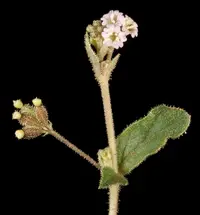
Scarlet spiderling (Boerhavia coccinea) is a low, spreading herb often grown as a groundcover or naturalized wildflower in warm climates. It forms trailing stems with small, rosy to deep pink flowers that appear in loose clusters, giving a fine-textured, airy look.
This species is native to tropical and subtropical regions of the Americas and has naturalized in many warm parts of the world, including the southern United States. It tends to be tough and opportunistic, filling open, disturbed spots quickly.
Boerhavia coccinea prefers sun to light shade, moderately moist but well-drained soil, and tolerates heat and short dry periods. These traits usually make it straightforward to care for scarlet spiderling in informal gardens and naturalistic plantings.

Care Difficulty
Easy Care

Light Preference
Full Sun

Water Requirements
Low Water

Temperature Preference
Tropical / Frost Sensitive

Hardiness Zone
9–11

Soil Texture
Sandy, Loamy, Rocky

Soil pH
Slightly acidic (6.5–7.0), Neutral (7.0)

Soil Drainage
Well-drained

Fertilization
Minimal (feed rarely)
Scan your plant to receive care tips personalized for your specific plant
Available on iOS and Android
Boerhavia coccinea thrives in bright outdoor conditions typical of warm, open sites.
This drought-tolerant species prefers thorough but infrequent watering once established.
This warm-season plant favors hot conditions and does poorly in cold or frosty weather.
Boerhavia coccinea tolerates a wide humidity range and rarely needs special humidity management.
Boerhavia coccinea prefers light, well-drained soil that does not stay wet after watering.
This species is suitable for containers, especially when controlling spread or growing scarlet spiderling in limited space.
This low-maintenance species needs only light feeding for best flowering and foliage, so caring for scarlet spiderling focuses on moderation.
Boerhavia coccinea responds well to light, targeted pruning that controls spread and maintains flowering performance.
This species is more often grown in-ground than in containers, so focus on careful transplanting to limit root disturbance.
Boerhavia coccinea is commonly propagated by seeds and soft stem cuttings under warm conditions.
This warm-climate plant has low frost tolerance and benefits from simple winter protection in cooler regions.

Plant Health Check
Not sure what's wrong with your plant? Check your plant's health inside the app.
The small magenta to pink flowers usually open in late afternoon and close by mid-morning, a pattern known as vespertine flowering that aligns with peak activity of some moth and crepuscular pollinators.
This species often grows on disturbed, sandy, or coastal soils and shows notable tolerance to salinity and drought, which helps it colonize roadsides, vacant lots, and other harsh urban sites.
Its nectar-rich flowers attract bees, butterflies, and moths, while the seeds and tender foliage can provide food for small animals in dry habitats where other resources are limited.

The slim, sticky fruits have tiny glandular hairs that readily cling to fur, feathers, clothing, and vehicle tires, allowing the plant to spread long distances and become a widespread weed in many tropical and subtropical regions.
This species spreads quickly by creeping stems and abundant seed, especially in warm climates and open soil. In gardens it can become weedy, so regular trimming and removal of unwanted seedlings are important for control.
Keep your plants happy and healthy with plant identification, disease detection, and easy care guidance.