anise hyssop Care (Agastache foeniculum)

Also known as: anise hyssop, Lavender hyssop
anise hyssop

About anise hyssop

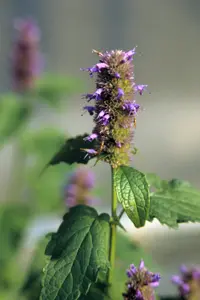
Anise hyssop (Agastache foeniculum) is a perennial herb in the mint family, grown for its fragrant leaves and tall spikes of purple flowers. It forms upright clumps and often attracts bees, butterflies, and other pollinators.

This species is native to North America, especially the northern Great Plains and parts of Canada. It adapts well to many garden settings, from herb beds to pollinator borders.

Anise hyssop is generally easy to grow because it tolerates poor soils, moderate drought, and a range of temperatures. It performs best in full sun, with well-drained soil and moderate moisture.

Gardeners who want to care for anise hyssop usually find it a low-maintenance, long-lived plant once it is established.

Main Plant Requirements

Care Difficulty

Easy Care

Light Preference

Full Sun

Water Requirements

Low Water

Temperature Preference

Cold Hardy

Hardiness Zone

4–8

Soil Texture

Sandy, Loamy, Organic-rich

Soil pH

Acidic (5.5–6.5), Slightly acidic (6.5–7.0)

Soil Drainage

Well-drained

Fertilization

Minimal (feed rarely)

Get Personalized Care Plan

Scan your plant to receive care tips personalized for your specific plant

Available on iOS and Android

How to Care for the anise hyssop

This sun-loving perennial thrives in bright conditions that support strong, aromatic foliage and abundant flower spikes.

  • Provide 6–8 hours of direct sun daily; morning sun with light afternoon shade is ideal in hotter regions to reduce leaf scorch.
  • The plant tolerates light partial shade (around 4–5 hours of direct sun), but flowering and essential oil production may decrease.
  • In summer, protect from reflected heat off walls or pavement, and in early spring, remove debris so emerging anise hyssop receives full, unobstructed light.

This drought-tolerant perennial prefers deep, infrequent watering once established rather than constant surface moisture.

  • Water only when the top 3–5 cm of soil feels dry, then soak the root zone thoroughly so moisture reaches at least 15–20 cm deep.
  • Use sharply draining soil or beds with added grit; Agastache foeniculum is prone to root rot if water pools or clay soil stays saturated.
  • In cooler seasons, watering needs drop; watch for drooping, pale, or crisp leaves as signs of underwatering and yellowing, soft stems as signs of overwatering.

This hardy perennial tolerates a wide temperature range but grows best under moderate, stable conditions.

  • Active growth and flowering are strongest around 65–80°F (18–27°C), with warm days and cooler nights supporting sturdy stems and rich aroma.
  • Established plants in the ground usually survive winter down to about -20°F (-29°C) under mulch, dying back above ground and resprouting in spring.
  • During extreme heat above 95°F (35°C), flowering may slow and leaves may scorch, so light afternoon shade and consistent soil moisture reduce stress.

This species thrives in relatively dry air and rarely needs special humidity control.

  • Target 30–50% humidity, similar to typical outdoor summer conditions in many regions.
  • Plants tolerate hot, dry air well; avoid pairing with species that demand constant high humidity trays or misting.
  • Wilting midday despite moist soil usually indicates heat or root stress rather than low humidity, so adjust watering and shade instead.

This plant prefers light, well-structured, free-draining soil that never stays waterlogged.

  • Use a sandy or loamy mix with 30–40% inorganic material such as coarse sand or fine gravel to encourage drainage.
  • Incorporate a moderate amount of compost or well-rotted manure to supply nutrients without making the mix heavy or compact.
  • Aim for slightly acidic to neutral pH, around 6.0–7.5, where Agastache foeniculum roots absorb nutrients efficiently.
  • Avoid dense clay, peat-heavy mixes, or spots where water pools after rain, which increase risk of root rot and winter kill.

This species can grow well in containers if given a stable, free-draining setup outdoors.

  • Choose a pot at least 25–30 cm deep to allow its taproot and supporting roots to anchor and access moisture between waterings.
  • Use a heavier material such as ceramic if the site is windy, as tall flowering stems can make the container top-heavy.
  • Raise the pot slightly on feet or bricks so drainage holes stay clear and excess water can run off quickly after rain or irrigation.

This aromatic perennial thrives in lean soil, so anise hyssop needs only light, targeted feeding.

  • Apply a thin layer of garden compost or well-rotted manure in early spring to support new growth.
  • Use a balanced, slow-release granular fertilizer (around 10-10-10) at half label rate once in spring if soil is poor.
  • Avoid high-nitrogen products, which can cause lanky stems and fewer flowers.
  • Do not fertilize in fall or winter, as the plant is entering or in dormancy.

Thoughtful pruning keeps Agastache foeniculum compact, floriferous, and long-lived.

  • In mid to late summer, deadhead spent flower spikes with clean hand pruners to extend blooming.
  • Remove dead, damaged, or crossing stems at the base in late fall or early spring.
  • Cut back remaining stems to 10–15 cm in early spring to encourage dense new growth.
  • Thin crowded shoots slightly to improve air flow and reduce disease risk.

This species is usually grown in garden beds, where transplanting is more relevant than frequent repotting.

  • Transplant in early spring or early fall so roots can establish in mild conditions.
  • Move plants when growth slows, clumps become crowded, or roots circle a container edge.
  • Dig a wide hole, keep the root ball intact, and water thoroughly to limit transplant shock.
  • If container-grown, step up 1 pot size every 2–3 years using well-drained soil and avoid disturbing roots.

Agastache foeniculum is commonly propagated by seed, division, or softwood cuttings.

  • Sow seeds in late winter to early spring on the surface of a well-drained mix; light aids germination.
  • Divide mature clumps in early spring, replanting vigorous sections with ample roots.
  • Take 8–10 cm softwood cuttings in late spring, using a sterile mix and high humidity for rooting.
  • Keep propagation areas bright but out of direct midday sun and maintain even moisture, not saturation.

This herbaceous perennial is cold hardy in much of the US and needs only minimal winter care in the ground.

  • Tolerates frost once established, especially in well-drained soil that prevents waterlogging.
  • After hard frost, stems can be left standing for wildlife or cut back to a few cm above soil.
  • Apply a 5–8 cm mulch layer around the crown in colder regions, keeping material slightly away from stems.
  • Container plants in very cold climates benefit from moving to a sheltered, frost-free but cool location.

Care Tips

Cut-and-come harvesting

Begin harvesting flowering stems when 1/3–1/2 of the florets on a spike are open, cutting just above a leaf node to encourage multiple new, bushy shoots for a longer harvest window.

Self-seeding management

If you do not want dense volunteer seedlings, shear off most flower spikes as they fade, leaving only a few to set seed in controlled spots or into a paper bag for saving.

Staking in windy sites

In open, windy beds, place 60–90 cm ring supports or discreet bamboo stakes around young clumps in spring so tall stems grow through and remain upright without flopping after heavy rain.

Targeted pollinator strip

To maximize pollinator activity and reduce pest pressure on nearby crops, plant this species in a 0.5–1 m wide strip along vegetable beds, staggering plants so their flowering overlaps for as long as possible when growing anise hyssop.

Winter crown protection

In colder climates, cut stems back to 10–15 cm after hard frost and apply a loose 5–8 cm mulch of shredded leaves or straw around, but not on top of, the crown to buffer freeze–thaw cycles and reduce crown loss.

Common Pests and Diseases

Powdery mildew

This disease appears as white to gray, powdery patches on leaves, stems, and flower buds, often during warm days and cool, humid nights. Symptoms include distorted new growth and reduced vigor if it progresses.

Solution

Improve air circulation by thinning crowded stems and avoid overhead watering, especially late in the day. Remove and discard heavily infected foliage and, if needed, use a sulfur or potassium bicarbonate fungicide labeled for ornamentals to protect new growth, following label directions closely as part of general Agastache foeniculum care.

Rust

This disease causes small orange, brown, or yellow pustules on the undersides of leaves, sometimes with yellowing on the upper surfaces. Symptoms include premature leaf drop and reduced flowering in severe cases.

Solution

Promptly remove and discard affected leaves to reduce spore spread and keep foliage as dry as possible by watering at soil level. Increase spacing between plants for better airflow and, in recurring cases, apply an appropriate ornamental rust fungicide preventively when conditions are cool and moist.

Foliar leaf spots

This disease produces scattered brown, tan, or purplish spots on leaves, sometimes with a darker edge and a lighter center. Symptoms include cosmetic damage and gradual thinning of foliage if many leaves are affected.

Solution

Cut off and dispose of affected leaves and plant debris, especially at the end of the season, to lower disease carryover. Water early in the day at the base of the plant, avoid crowding, and consider a copper-based fungicide if leaf spots return frequently and cultural steps are not sufficient.

Aphids

These insects cluster on tender stems, buds, and leaf undersides, sucking sap and excreting sticky honeydew that can lead to sooty mold. This pest can cause curling leaves, stunted shoots, and reduced flowering during flushes of growth.

Solution

Spray stems and leaves with a strong stream of water to dislodge colonies, repeating every few days during outbreaks. Encourage natural predators such as lady beetles, and if populations remain high, use insecticidal soap or a light horticultural oil, making sure to coat the undersides of leaves and avoid spraying in full sun or high heat.

Spider mites

These pests are tiny sap-sucking arachnids that thrive in hot, dry conditions and cause fine speckling, dull foliage, and eventual bronzing of leaves. Symptoms include delicate webbing between leaves and stems when populations are high.

Solution

Rinse foliage thoroughly with water, including leaf undersides, to knock down mites and raise local humidity, repeating regularly in dry weather. If infestation persists, apply insecticidal soap or a horticultural oil labeled for mites, and reduce plant stress by maintaining consistent soil moisture and good airflow without excessive heat buildup.

Interesting Facts

Licorice-anise aroma

The leaves and flowers contain aromatic compounds like anethole that give a sweet scent and flavor reminiscent of anise and licorice, which is why the species is commonly called anise hyssop.

Pollinator hotspot plant

In its native North American prairies and dry open woods, this species is a major nectar source for bees, butterflies, and some moths, often blooming for many weeks in mid to late summer and supporting diverse pollinator communities.

Cold-hardy prairie native

This perennial is naturally adapted to continental climates from the northern United States into Canada and tolerates winter temperatures well below freezing, surviving reliably in many USDA zones 4–9 when given well-drained soil.

Botan icon

Did you know?

Indigenous peoples of the Northern Plains and woodlands, including some Dakota and Cree groups, historically used anise hyssop leaves and flowers in ceremonial teas and as a flavoring in foods, reflecting its long cultural significance in its native range.

FAQs about anise hyssop

Yes, this species is edible. Leaves and flowers are commonly used fresh or dried in herbal teas, salads, and desserts. Flavor is mildly sweet with anise and mint notes. Avoid plants treated with pesticides not labeled for edibles.

Grow Healthy Plants with Botan Care

Keep your plants happy and healthy with plant identification, disease detection, and easy care guidance.

Botan plant care app — identify plants on mobile

Explore More Plants