BotaN logo

woodland sunflower Care (Helianthus divaricatus)

Also known as: rough sunflower
woodland sunflower

About woodland sunflower

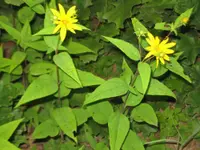
Woodland sunflower (Helianthus divaricatus) is a hardy perennial wildflower native to eastern North American woodlands and open forest edges. It forms upright clumps with slender stems and bright yellow daisy-like blooms in late summer. Leaves are usually lance-shaped and rough to the touch, giving the plant a distinctly textural look in mixed plantings. It spreads by rhizomes, creating loose colonies that suit naturalistic borders or native plant gardens. This species thrives in sun to light shade with moderately moist, well-drained soil, which makes it relatively easy to establish in many gardens. Understanding how to care for woodland sunflower starts with giving it enough light and space to spread over time.

Main Plant Requirements

Care Difficulty

Easy Care

Light Preference

Full Sun

Water Requirements

Moderate Water

Temperature Preference

Cold Hardy

Hardiness Zone

3–8

Soil Texture

Sandy, Loamy, Rocky

Soil pH

Acidic (5.5–6.5), Slightly acidic (6.5–7.0)

Soil Drainage

Well-drained

Fertilization

Minimal (feed rarely)

Get Personalized Care Plan

Scan your plant to receive care tips personalized for your specific plant

Available on iOS and Android

How to Care for the woodland sunflower

This species thrives in bright outdoor light that mimics open woodland edges.

  • Provide 6–8 hours of direct sun daily; morning sun with light afternoon shade is ideal in hotter regions.
  • Tolerates partial shade (3–4 hours sun), but woodland sunflower may grow taller, lean, and flower less with reduced light.
  • In hot summers, protect from intense late-afternoon sun to limit leaf scorch, but avoid deep shade, which leads to weak stems and sparse blooms.

This perennial prefers moderately moist, well-drained soil rather than constant saturation.

  • Water when the top 3–5 cm of soil feels dry, using slow, deep watering so moisture reaches the root zone instead of frequent light sprinkles.
  • During peak growth and flowering, especially in hot, dry spells, increase watering frequency; in cool or rainy periods, reduce to avoid soggy soil.
  • Watch foliage for cues: wilting and crisp edges suggest underwatering, while yellowing lower leaves and soft stems can indicate overwatering in Helianthus divaricatus.

This hardy perennial is adapted to a wide outdoor temperature range in temperate climates.

  • Active growth is strongest around 65–80°F (18–27°C), supporting sturdy stems and abundant flowering through late spring and summer.
  • Established plants tolerate winter lows near 0°F (−18°C) in the ground, dying back to the crown and re-sprouting when soil warms in spring.
  • Handles summer heat up to about 90–95°F (32–35°C) if soil moisture is maintained; prolonged hotter, dry periods may cause temporary wilting and reduced bloom size.

This species tolerates a wide humidity range and rarely needs special humidity management outdoors.

This woodland perennial prefers moderately fertile, well-structured soil that drains freely yet retains some moisture.

  • Use a loamy or sandy-loam soil with at least 20–30% organic matter such as compost or leaf mold to mimic woodland conditions.
  • Ensure drainage is fast enough that water does not pool longer than a few hours after heavy rain, as standing water encourages root rot.
  • Aim for slightly acidic to neutral pH, around 6.0–7.0, which supports nutrient availability and root health for Helianthus divaricatus.
  • On dense clay sites, improve aeration and drainage by incorporating coarse sand or fine gravel into the top 20–25 cm before planting.

This species can grow in containers if the pot is large, stable, and managed for its deep, spreading roots.

  • Choose a heavy, wide container at least 35–40 cm deep to counteract the tall, top-heavy stems in windy sites.
  • Use a coarse, peat-free mix with 20–30% grit or perlite so water drains quickly yet roots still receive ample oxygen.
  • Position the container where it cannot easily tip, such as against a railing or wall, especially once stems reach full height.

This native perennial usually needs minimal feeding in average or slightly poor soils.

  • In garden beds, use a thin layer of compost in early spring instead of synthetic fertilizer, especially for established clumps.
  • For container-grown woodland sunflower, apply a balanced slow-release fertilizer (such as 10-10-10) at half label rate once in spring.
  • Avoid mid-summer high-nitrogen products, which can cause weak, tall growth and fewer flowers.
  • Do not fertilize during winter dormancy; stop feeding by late summer or early fall.

Pruning Helianthus divaricatus is useful for managing height, shape, and flowering.

  • In late winter or early spring, cut back all dead stems to just above ground level using clean hand pruners.
  • In late spring, pinch or lightly shear taller shoots by 5–10 cm to encourage bushier growth and more flowering stems.
  • Remove damaged, diseased, or overcrowded shoots during the growing season to maintain air circulation and plant health.
  • Deadhead spent flower clusters if self-seeding is not desired or to keep the planting tidy.

This species is most often grown in the ground, where it spreads gradually by rhizomes.

  • Transplant clumps in early spring or early fall when top growth is small and weather is cool and moist.
  • Move or divide plants every 3–5 years if centers thin out, growth declines, or stems crowd neighboring plants.
  • Dig widely around the clump, lift with a fork, and keep as much root and attached soil as possible to limit stress.
  • Replant divisions at the same depth, water thoroughly, and keep soil evenly moist until new growth establishes.

Helianthus divaricatus is commonly propagated by division and by seed.

  • Divide established clumps in early spring or early fall, lifting and separating sections with several shoots and healthy roots.
  • Sow ripe seeds outdoors in fall or early spring; natural cold exposure supports better germination.
  • For indoor seed starting, provide 6–8 weeks of cold stratification at 34–41°F before sowing in moist, well-drained mix.
  • Plant divisions or seedlings in full sun with moderately dry to average soil to support strong establishment.

This hardy perennial tolerates typical winters in much of the US and needs little special care.

  • Once frost blackens foliage, cut stems back to 5–10 cm or leave standing for wildlife habitat, then remove in late winter.
  • Apply a light 5–8 cm mulch layer over the root zone in colder climates to buffer freeze–thaw cycles.
  • Container-grown plants in zones colder than their rating benefit from moving pots to a sheltered, unheated but frost-free area.

Care Tips

Rhizome Containment

Install a shallow root barrier or sink bottomless containers 20–30 cm into the ground before planting to keep spreading rhizomes from invading nearby beds while still allowing good drainage.

Staggered Cutting Back

In late spring, cut back only the front or central third of stems by about 1/3 to delay flowering slightly on those shoots, which creates a longer overall bloom window and a denser stand.

Targeted Deadheading

Remove spent flower heads on the most visible stems to tidy the planting and reduce self-seeding in formal beds while leaving some seed heads at the back for wildlife value.

Windwise Positioning

Plant taller clumps where they are backed by a fence, hedge, or sturdy perennials on the prevailing wind side to reduce lodging and the need for staking in exposed sites.

Wildlife-Safe Spacing

Space plants in loose drifts with open access between clumps so pollinators can move easily through the stand, which also improves air flow and helps prevent foliar disease when growing woodland sunflower.

Common Pests and Diseases

Sunflower moth

This pest tunnels into developing flower heads and seeds, causing frass, webbing, and deformed or poorly filled seed heads. Symptoms include browning florets and seed loss on affected heads.

Solution

Inspect flower heads in mid to late summer and handpick larvae where practical, removing badly infested heads before larvae mature. Encourage natural predators by maintaining diverse flowering plants nearby, and if infestations are recurrent in garden or field settings, use a Bacillus thuringiensis (Bt) spray targeted to flower heads just as buds begin to open, following label directions closely.

Sunflower stem borer

This pest bores inside stems, causing weakening, wilting of upper shoots, and sometimes lodging where stems snap near the base. Symptoms include small entry holes and sawdust-like frass on stems.

Solution

Cut and remove infested stems at ground level as soon as wilting or boring damage is noticed, and destroy the material to reduce overwintering larvae. In larger plantings, rotate sites, avoid leaving sunflower stems standing over winter, and encourage beneficial insects by limiting broad-spectrum insecticides that disrupt natural enemies.

Powdery mildew

This disease produces white, powdery fungal growth on upper leaf surfaces, especially in late summer under dry days and humid nights. Symptoms include yellowing and premature leaf drop when infections are heavy.

Solution

Improve air circulation by spacing plants, thinning dense clumps, and avoiding overhead watering in the evening. Remove heavily infected leaves, keep plant debris cleaned up in fall, and use a labeled sulfur or potassium bicarbonate fungicide only if repeated seasons of severe disease significantly reduce plant vigor.

Rust

This disease causes small yellow spots on upper leaf surfaces and orange to brown powdery pustules on undersides. Symptoms include premature leaf yellowing and drop, especially on lower foliage in moist conditions.

Solution

Remove and dispose of infected leaves during the season and cut back and clear all Helianthus stems and leaves at the end of the growing period to reduce spores. Maintain good spacing and sun exposure, avoid wetting foliage, and in high-value plantings with repeated rust issues, use a labeled preventative fungicide early in the season if cultural measures are not sufficient.

Leaf spots

These diseases, often caused by Septoria or Alternaria fungi, create dark, water-soaked or tan spots that may merge into larger blotches on leaves. Symptoms include thinning foliage from early leaf drop, especially after prolonged wet or humid weather.

Solution

Water at soil level to keep foliage dry, increase spacing so leaves dry quickly, and remove spotted leaves as soon as they appear, including fall cleanup of all debris. In sites with chronic problems, rotate plantings, avoid overhead irrigation, and consider a protective copper- or chlorothalonil-based fungicide at the first sign of spotting, following product guidance carefully as part of broader Helianthus divaricatus plant care.

Interesting Facts

Dry woodland specialist

This species is naturally adapted to dry, rocky, or sandy woodland edges and open forests in eastern North America, where it tolerates relatively low soil fertility and summer drought compared with many other native sunflowers.

Spreading rhizome network

It forms slender, creeping rhizomes (underground stems) that allow colonies to slowly expand over time, helping stabilize slopes and disturbed woodland margins.

Late-summer pollinator resource

The bright yellow flower heads open mainly in mid to late summer, providing nectar and pollen for native bees, butterflies, and other insects during a period when many spring woodland flowers have already disappeared.

Botan icon

Did you know?

The seeds of woodland sunflower are an important seasonal food source for various woodland birds, including finches and sparrows, which often forage on the mature seed heads in late summer and fall.

FAQs about woodland sunflower

This species spreads by rhizomes and self-seeding, forming loose colonies over time. In favorable conditions it can become vigorous, so use edging, divide clumps periodically, and deadhead if you need to limit expansion.

Grow Healthy Plants with Botan Care

Keep your plants happy and healthy with plant identification, disease detection, and easy care guidance.

Botan plant care app — identify plants on mobile

Explore More Plants