

anise hyssop (Agastache foeniculum) Light Needs

Anise hyssop grows best in full sun, with several hours of direct sunlight each day.

Light Preference

Full Sun

Agastache foeniculum Light Requirements

In its native range across north-central North America, anise hyssop is associated with prairies, open meadows, woodland edges, and other places where competing vegetation does not create deep shade. These sites receive long summer days with direct sun and some brief filtering from nearby grasses or shrubs. In cultivation, that background translates to strong light and open exposure. It prefers full sun.

  • Ideal exposure:

    Anise hyssop needs about 6–8 hours of full sun daily, including at least 6 hours of direct sun when possible.

  • Full sun:

    Established plants tolerate full-day sun, especially when exposure increases gradually after cloudy indoor or nursery conditions.

  • Part sun limit:

    It can grow in partial sun, but flowering and sturdy growth are usually reduced below about 4–5 direct-sun hours.

  • Afternoon sun:

    Hot afternoon sun is generally acceptable outdoors, though sudden exposure can scorch tender new growth.

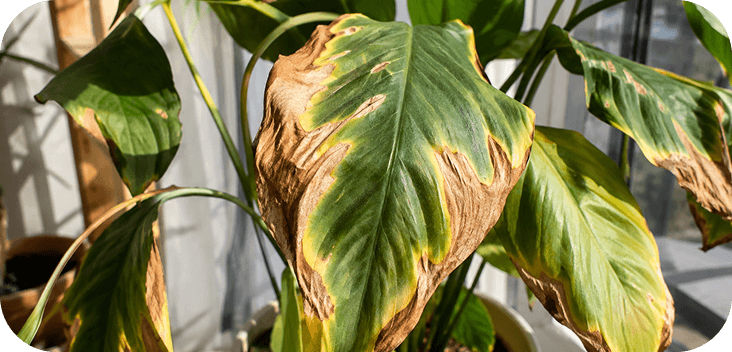
Full sun is normal, but abrupt stronger exposure can cause stress.

Scorched patches:

Bleached tan areas may appear on leaves that faced sudden intense afternoon sun.

Crisp new tips:

Tender shoot tips can dry and curl after a rapid move from protected light to open sun.

Faded foliage:

Leaves may look dull or washed out when reflected heat and direct sun combine.

Midday drooping:

Temporary drooping can occur during harsh heat, especially if the plant was not acclimated.

Shift the plant to morning sun or light afternoon shade while damaged growth is monitored. Increase direct exposure over several days before returning Agastache foeniculum to full sun.

Weak light shows most clearly during active growth. Agastache foeniculum is not suited to shade.

  • Stretched stems:

    Stems may become tall, thin, and less able to hold upright growth.

  • Leaning growth:

    Shoots often angle toward the brightest side instead of forming balanced clumps.

  • Wide spacing:

    Leaves may sit farther apart along the stem, giving the plant an open look.

  • Fewer flowers:

    Blooming can be sparse or delayed when daily direct sun stays too low.

Move it to a brighter, open site with several hours of direct sun. Increase exposure step by step if it has been shaded for a while.

Choose the brightest available outdoor spot if full-day sun is not possible. A site with 4–5 hours of direct morning or midday sun is the best compromise.

Remove or reposition objects that cast shade during the brightest part of the day. Rotate containers every week so growth stays even.

Avoid deep shade beside walls, fences, or covered patios. That setup is too dim for strong stems and reliable flowering.

Get Personalized Care Plan

Scan your plant to receive care tips personalized for your specific plant

FAQ

The best light for anise hyssop is full sun, with strong outdoor exposure for most of the day. Partial sun is tolerated, but dense shade usually leads to weaker stems and fewer flowers.

More Plant Light Guides

Get the Botan App

Discover how to care for your plants with Botan.

Botan app identifying a plant with a phone camera
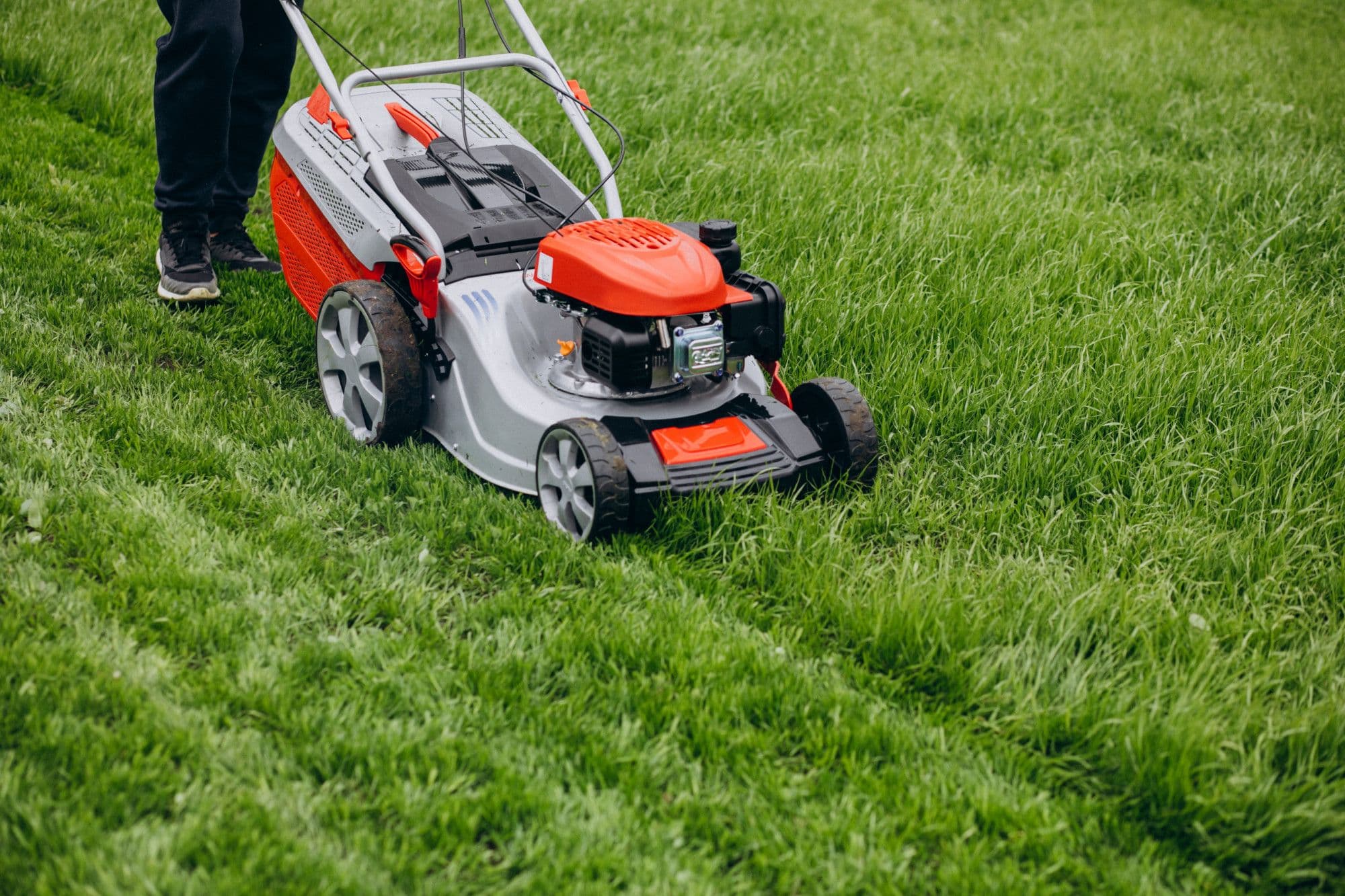
Best Time to Mow Lawn – A Complete Guide

5 min read · 10 Aug 2026

Best Time to Mow Lawn – A Complete Guide

Explore when to mow your lawn for its health and a pleasant green color. Find out the best time for this task during the summer heat, and follow practical tips for correctly cutting the grass, and learn common mistakes to avoid.

Plant Care
Best Time to Mow Lawn – A Complete Guide
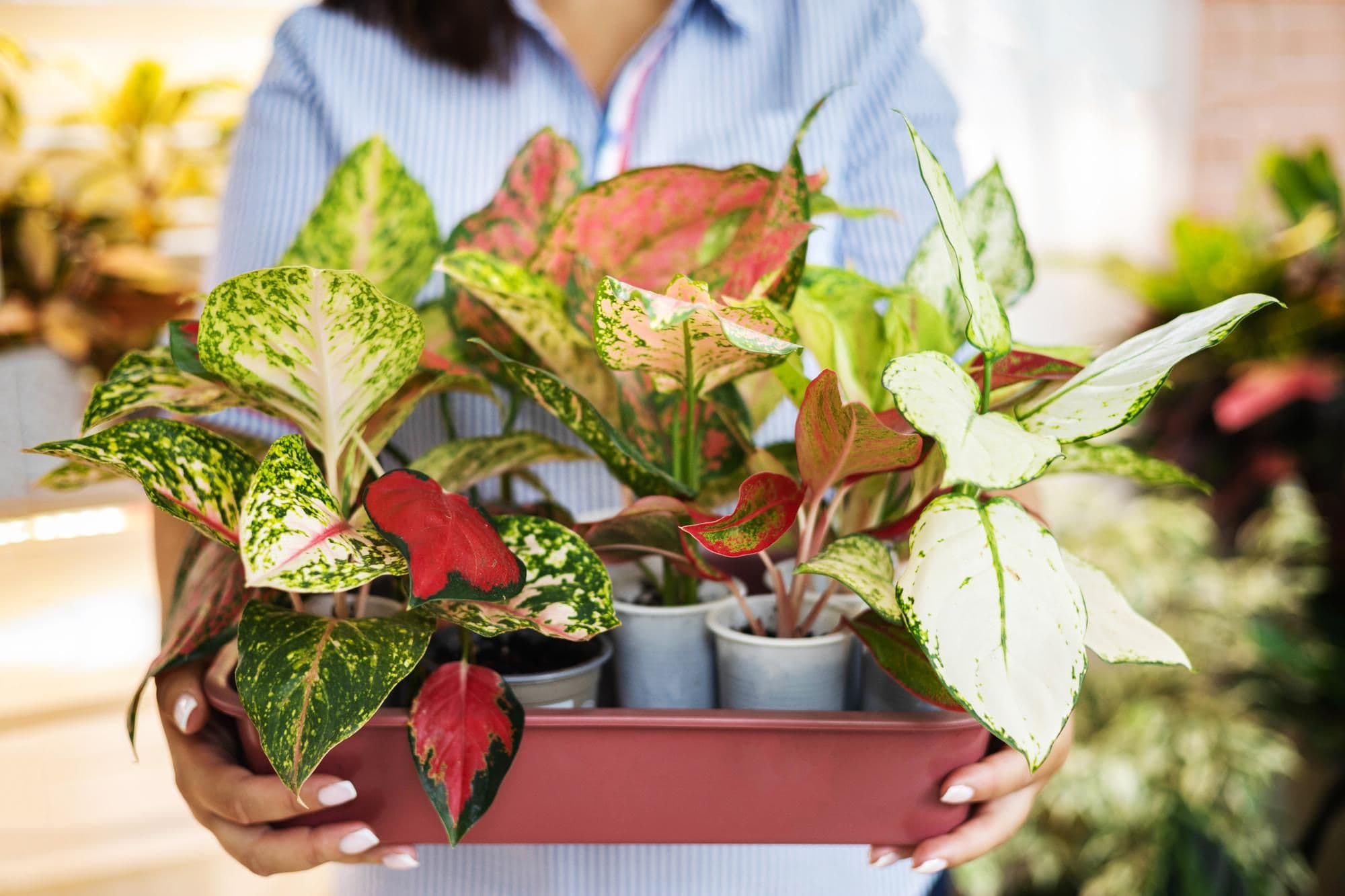
12 Most Wanted Rare Houseplants to Grow at Home

6 min read · 21 Sept 2026

12 Most Wanted Rare Houseplants to Grow at Home

Rare houseplants can turn an ordinary corner in your apartment into a living botanical collection. This guide covers 12 most admired picks, what makes them special, and how to grow them successfully at home.

Plant Recommendations
12 Most Wanted Rare Houseplants to Grow at Home
How to Clean Plant Leaves: A Simple Care Guide

6 min read · 4 Aug 2026

How to Clean Plant Leaves: A Simple Care Guide

Dusty leaves look dull and don't absorb light well. Below, you'll find simple ways to clean them, which tools are truly effective, how often you should do it, and what causes damage.

Beginner Guides
How to Clean Plant Leaves: A Simple Care Guide