
anise hyssop Identification (Agastache foeniculum)

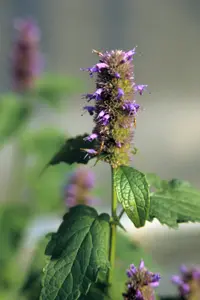
Recognize anise hyssop by its upright square stems, opposite broad-ovate leaves with coarse teeth, and dense terminal flower spikes made of many small tubular lavender flowers.

Plants form clumps about 2 to 4 feet (0.6 to 1.2 m) tall, with leaves borne in clear opposite pairs along the stems.

Agastache foeniculum Identification

Scan to Confirm anise hyssop

Use a clear photo to confirm what plant you have.

Clear images work best. Avoid photos taken too close or too far away

  • 1 free identification
  • No sign-up
  • 30,000+ plants in database

Check the stem, leaves, and flower spikes of Agastache foeniculum.

  • Plants form upright clumps, usually 2-4 feet (0.6-1.2 m) tall, with several straight stems.
  • Stems are square in cross-section, a common mint-family trait, and often branch near the top.
  • Leaves grow in opposite pairs, are broadly lance-shaped to heart-shaped, and have coarse toothed edges.
  • Leaf blades are about 2-4 inches (5-10 cm) long on noticeable stalks.
  • Flowers are packed into dense, narrow, bottlebrush-like spikes at stem tips, usually lavender to purple.

Square stems plus opposite toothed leaves and tight purple spikes are the fastest field marks.

Agastache foeniculum shows clear visual shifts from paired seedlings to flowering spikes.

  • Seedling: Seedlings show opposite first leaves on short stems. Early true leaves are small, ovate, and softly toothed, without the dense upper branching seen later.
  • Young plant: The plant forms upright square stems with wider-spaced leaf pairs. Leaves become broader, sharply serrated, and more obviously pointed as side shoots begin.
  • Mature plant: Mature clumps stand about 2-4 feet (0.6-1.2 m) tall, with several erect stems, a bushier outline, and larger heart-based leaves crowded below.
  • Flowering stage: At flowering, stem tips carry narrow, dense spikes of many small lavender-purple tubular flowers, shifting identification from leafy mint-like growth to vertical bloom columns.

In spring, anise hyssop emerges with fresh green, opposite leaves on upright square stems. By mid to late summer, the plant is easiest to spot when dense, lavender-purple flower spikes rise above the foliage. In fall, the flower spikes dry and turn brown, often holding small seedheads. After frost, the top growth dies back, leaving persistent dry stems that mark where the clump stood.

Several mint-family plants can be mistaken for anise hyssop at a glance.

giant hyssop(Agastache scrophulariifolia)

Similar upright spikes and opposite, toothed leaves. It differs by flowers that are usually pale yellow to greenish rather than lavender-purple, and leaves with little to no anise scent when crushed.

purple giant hyssop(Agastache urticifolia)

Often confused because it also has tall spikes of pale purple flowers. It usually has narrower, more nettle-like leaves and a less distinctly licorice-scented foliage.

wild bergamot(Monarda fistulosa)

Both have opposite leaves and lavender flowers. Wild bergamot has rounded, tufted flower heads instead of dense vertical spikes, making the flower shape the quickest check.

Agastache foeniculum is native to north-central North America, especially the northern Great Plains and Upper Midwest, from the Canadian prairie provinces south into states such as Minnesota, Wisconsin, and the Dakotas. It is most often found in prairies, open meadows, and other sunny, relatively dry grassland settings. That habitat helps narrow identification because wild plants are more likely in open inland grasslands than in woods, wetlands, or coastal sites.

Check Your Plant ID

Use Botan to identify or confirm a plant from a photo, which helps avoid mix-ups before you label or buy it.

FAQ

Yes. Identifying anise hyssop is possible from its opposite, toothed, heart- to lance-shaped leaves, square stems, and strong anise scent when crushed. Flowers make confirmation easier, but the leaf arrangement and fragrance are useful clues.

Everything About anise hyssop

More Plant Identification Guides

Identify Your Plant and Learn More

Use Botan to identify a plant from a photo, then see care information, safety notes, and common problems for that species.

Botan app identifying a plant from a photo
Plants That Repel Bugs – 20 Effective Options

12 min read · 16 Jul 2026

Plants That Repel Bugs – 20 Effective Options

Mosquitoes on the patio? Gnats in the kitchen? Some plants keep them away with the scent of their own leaves. Here are 20 that deal with mosquitoes, flies, aphids, and more, plus where to put them so they help.

Plant Recommendations
Plants That Repel Bugs – 20 Effective Options
How to Bottom Water Plants: Complete Guide

6 min read · 13 Jul 2026

How to Bottom Water Plants: Complete Guide

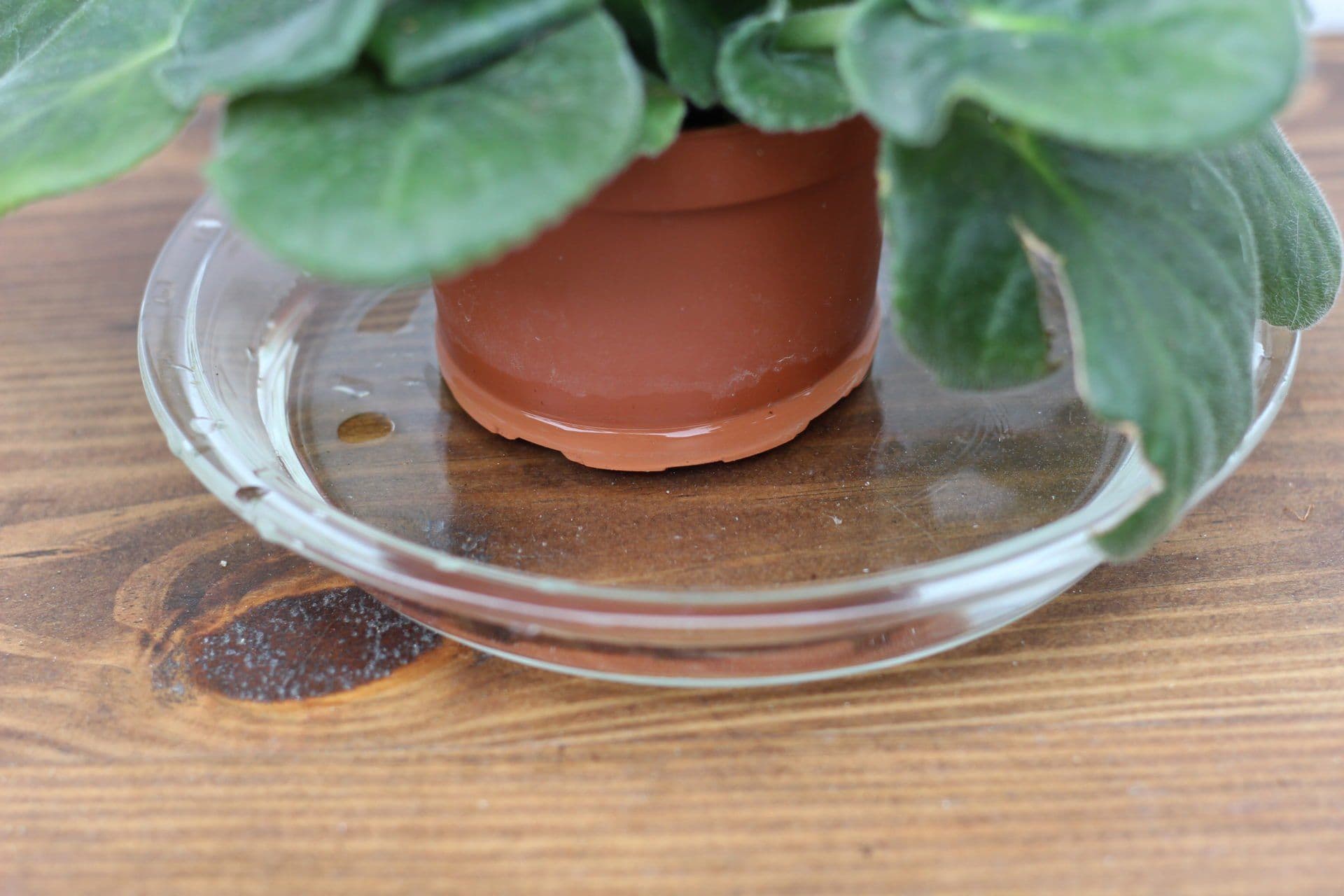
Bottom watering helps soil absorb moisture evenly and keeps foliage dry, reducing the risk of missed dry spots or root problems. Place the pot in a tray of water for a short time, then let it drain well.

Plant Care
How to Bottom Water Plants: Complete Guide
How to Group Plants in Landscaping: A Practical Layout Guide

8 min read · 31 Aug 2026

How to Group Plants in Landscaping: A Practical Layout Guide

Good plant grouping can mean the difference between a well-planned garden and one that looks sloppy. This guide explores layers, spacing, cluster shapes, and the plants that thrive when you group them.

Plant Care
How to Group Plants in Landscaping: A Practical Layout Guide