
weld Identification (Reseda luteola)

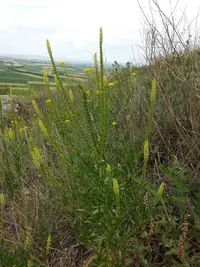
To recognize weld, look for a tall, upright plant with a single narrow flowering spike, many small yellow-green flowers, and long, lance-shaped leaves set alternately along the stem.

Plants often reach 3 feet (0.9 m) or more, with the lower leaves larger and the upper leaves becoming shorter and narrower.

Reseda luteola Identification

Check Your Plant ID

Check your plant ID by uploading a clear photo to Botan.

Clear images work best. Avoid photos taken too close or too far away

Use these quick checks for Reseda luteola.

  • Upright plant, often a single tall spike or a few stems, usually 2-5 feet (0.6-1.5 m) tall.
  • Leaves are alternate, narrow to lance-shaped, often 2-6 inches (5-15 cm) long, with a strong pale midrib.
  • Upper leaves usually clasp the stem at the base, rather than sitting on a stalk.
  • Flowers are tiny, yellow-green, packed into a long, dense, upright spike at the stem tip.
  • Fruits are small, upright capsules held close along the spike, each with a short, open-looking tip.

The clasping upper leaves and long yellow-green flower spike are especially useful together.

Weld shows clear structural changes from a basal rosette to tall flowering and fruiting stems.

  • Juvenile plant: Begins as a low basal rosette of narrow, lance-shaped leaves, often slightly wavy, with no obvious upright stem and a flat ground-hugging outline.
  • Young plant: An upright central stem appears, and stem leaves become alternately spaced, narrower, and more clasping than the broader rosette leaves below.
  • Flowering stage: The plant reaches about 3-5 feet (0.9-1.5 m) tall, with a stiff, wand-like stem topped by long, dense spikes of small yellow-green flowers.
  • Fruiting stage: After flowering, the spikes turn more seed-heavy and rigid, carrying many small, rounded capsules along the upper stem instead of open flowers.

In spring, weld forms a low basal rosette of narrow, dull green leaves. By early to midsummer, tall upright stems rise and carry long, slender flower spikes, making the plant much easier to spot. Later in summer, the yellow flowers give way to small capsule fruits along the same spikes. After seed set, the plant often dries to a straw-colored, rigid outline that remains recognizable for a time.

A few yellow-flowered weeds can be mistaken for Reseda luteola at a glance.

white mignonette(Reseda alba)

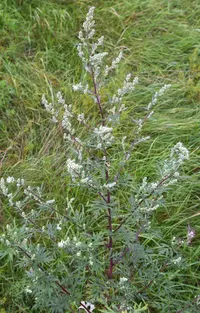
Often confused because both have upright spikes of many small flowers and narrow leaves. white mignonette usually has white to creamy flowers, not yellow, and its leaves are more deeply lobed, especially low on the stem.

mignonette(Reseda odorata)

Similar in having dense flower spikes and a lanky, upright habit. It stays shorter, often under 3 feet (0.9 m), and the flowers are cream, white, or reddish rather than clear yellow; leaves are broader and less long-tapered.

Reseda luteola is native to much of Europe, North Africa, and western to central Asia. It is most often found in open, disturbed places such as roadsides, field margins, waste ground, dry banks, and rubble-strewn sites. That setting helps with identification because this species commonly appears in sunny, human-disturbed habitats rather than woodland or wetland. Finding it on dry, often calcareous ground can help narrow it from similar-looking herbs growing in richer meadow or shaded sites.

Confirm the Species with Botan

Upload a photo to help identify the plant or verify your result before you label it or compare similar species.

FAQ

Look for a tall, upright herb with many narrow leaves and long, dense flower spikes. The small yellowish flowers have 4 to 6 petals and prominent orange anthers, useful details for identifying weld.

Everything About weld

More Plant Identification Guides

From Plant ID to Plant Info

Identify a plant from a photo with Botan, then review plant details, care information, and common problems for that species.

Botan app identifying a plant from a photo
What Plants Don't Like Epsom Salt?

11 min read · 29 Jul 2026

What Plants Don't Like Epsom Salt?

Learn which plants can be seriously damaged by Epsom salt and which will thrive on it. We’ll explain when and how to use it properly, provide tips for indoor & outdoor plants — read on and enjoy a healthy garden.

Plant Care
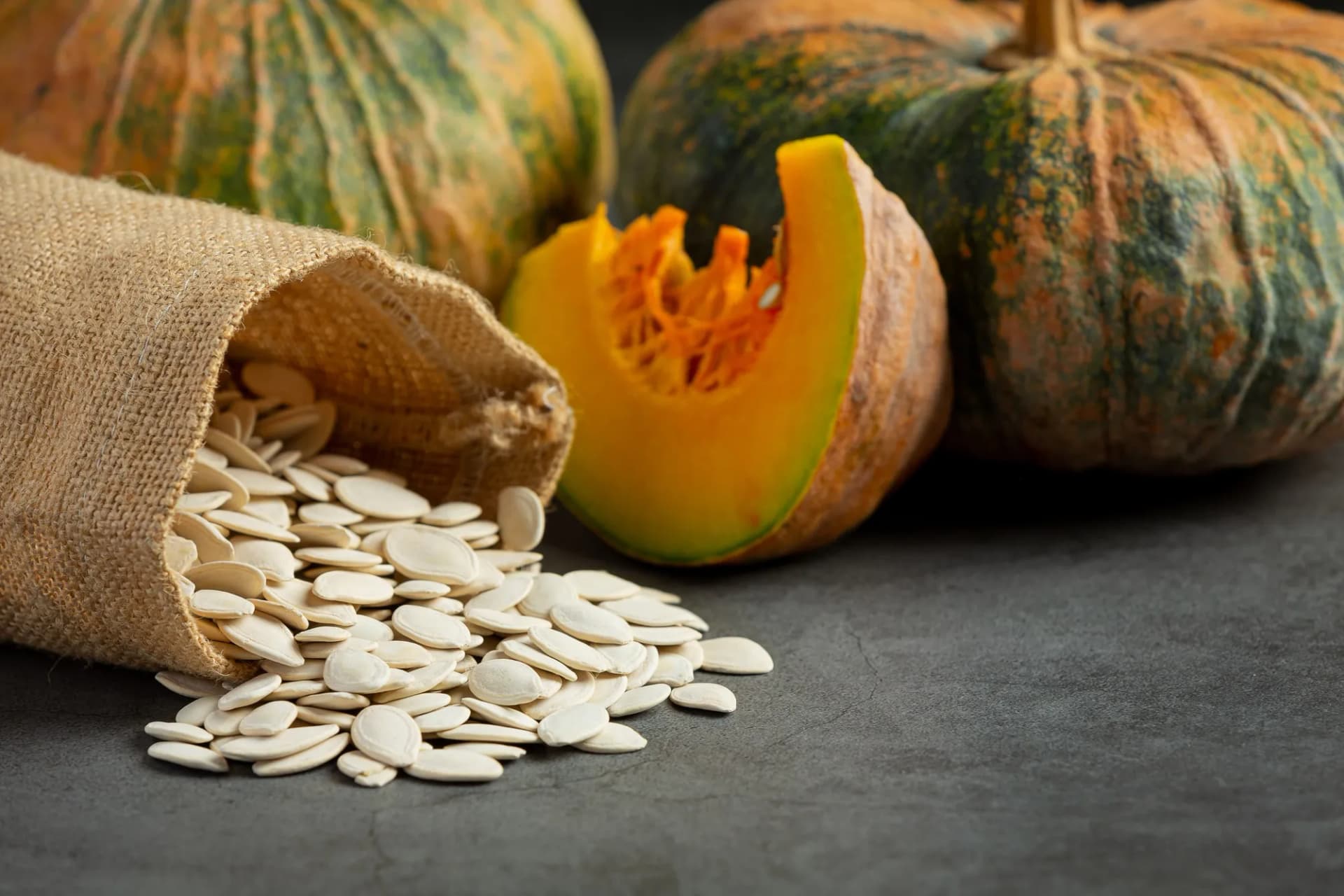
What Plants Don't Like Epsom Salt?
How to Plant Pumpkin Seeds for a Fall Harvest and Grow Your Own Patch

7 min read · 4 Nov 2026

How to Plant Pumpkin Seeds for a Fall Harvest and Grow Your Own Patch

A backyard pumpkin patch starts months before the first leaves turn: the harvest that ends up on the porch in October is decided by what a gardener does in late spring.

Beginner Guides
How to Plant Pumpkin Seeds for a Fall Harvest and Grow Your Own Patch
How to Repot a Plant: A Step-by-Step Guide

7 min read · 28 May 2026

How to Repot a Plant: A Step-by-Step Guide

In spring, many plants need repotting—an essential part of care. To avoid stress, consider the plant’s type and size. This article offers a step-by-step guide for repotting indoors or outdoors and shows how to check plant health and get care tips using the Botan App.

Plant Care
How to Repot a Plant: A Step-by-Step Guide