


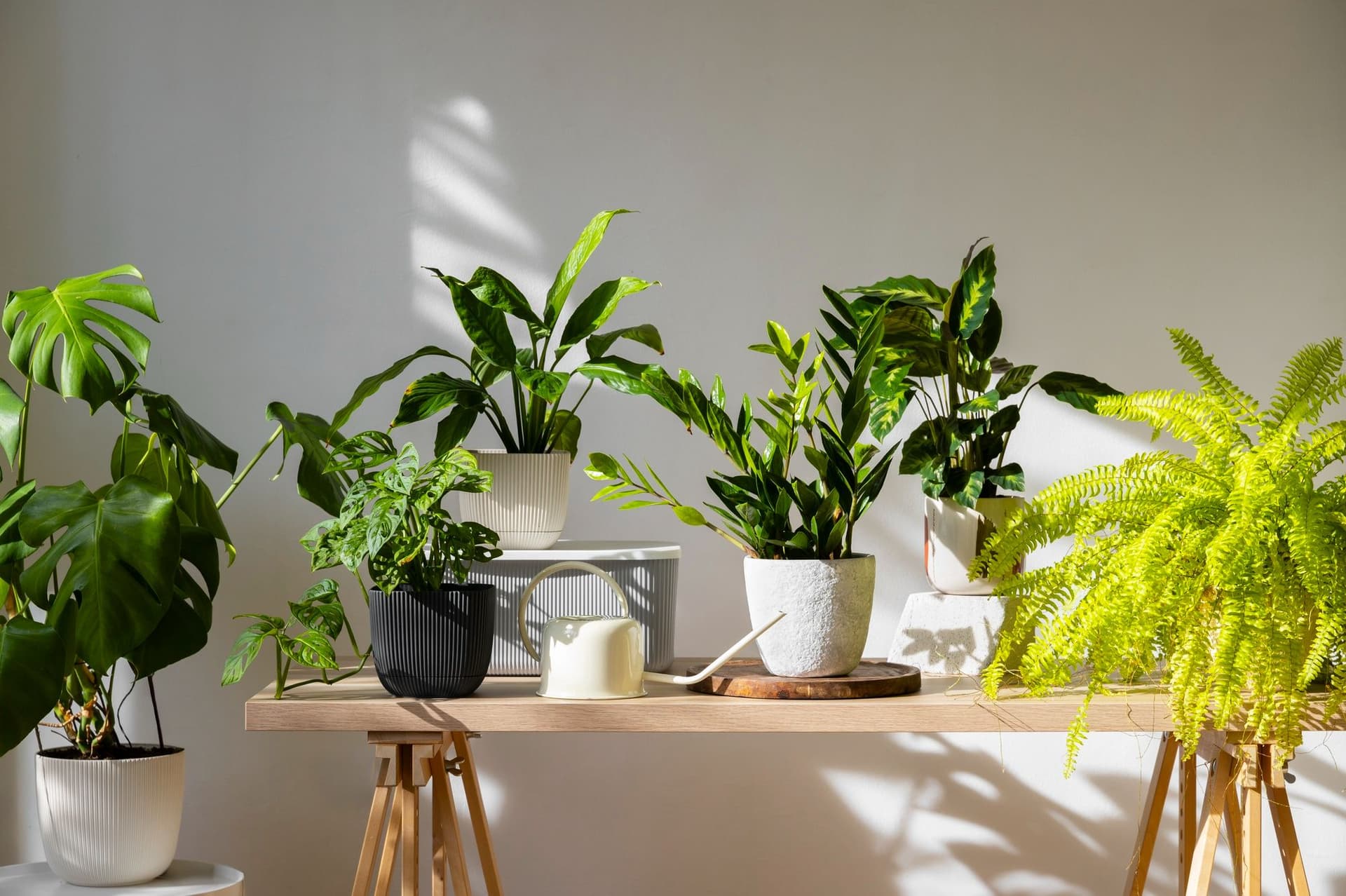
5 min read · 11 Sept 2026
Top 5 Best Indoor Plants for Air Quality
Indoor plants can make a room feel fresher thanks to their air-purifying qualities. Here are 5 of the most suitable choices for your routine and living space.
Plant Recommendations


weld grows best in full sun, with at least 6 hours of direct light during the active season.

Light Preference
Full Sun
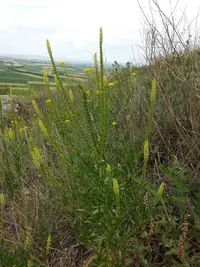
In its native range across Europe, western Asia, and North Africa, weld is found in open, disturbed places such as fields, roadsides, and dry banks. These habitats receive long periods of direct sun with little overhead cover, especially through spring and summer.
That open-ground habit explains why cultivated plants perform best with strong exposure rather than shade. Preferred light is full sun.
Reseda luteola needs about 6–8 hours of full sun daily, ideally including 6–8 hours of direct sun.
Established plants tolerate direct sun well, including bright midday exposure in mild to warm weather.
A half-day of sun can work, but flowering and seed production may be weaker than in full sun.
Bright shade or dappled shade is not enough for steady, upright growth.
In very hot sites, morning sun with some late-afternoon relief can reduce scorch after transplanting.
Strong sun is usually suitable, but sudden harsh exposure can cause stress.
Bleached or papery areas may appear on upper leaves after a shaded plant is moved straight into intense sun.
Dry tan marks mainly on the side facing afternoon sun suggest light and heat may be too strong.
Soft, drooping shoot tips during the hottest hours can occur when full sun is combined with high heat.
Young plants may show stalled, scorched new growth if set into exposed sun without acclimation.
Move the plant to a gentler exposure, such as morning sun, then increase sun gradually. Provide temporary shade during the hottest afternoon hours while it adjusts.
Low light affects growth shape before it causes obvious decline.
Flowering stems may become long, thin, and weak as they reach toward stronger light.
Leaves can sit farther apart, giving the plant an open, sparse look instead of compact growth.
Shoots may angle toward the brightest side, especially near fences or buildings that cast shade.
Fewer flower spikes may form when the species receives only partial light for much of the day.
New growth may stay smaller during the active season when light is consistently weak.
Shift it to an open site with several hours of direct sun. Increase exposure over a few days if it has been shaded.
If full sun is limited, choose the spot with the longest clear morning exposure. A half-day of direct sun is workable, but shade for most of the day is not.
Move containers away from walls that cast long shadows. Check the site in midsummer, when nearby structures can change the sun pattern.
Avoid enclosed patios or deep overhead shade because the species is unlikely to stay sturdy there.
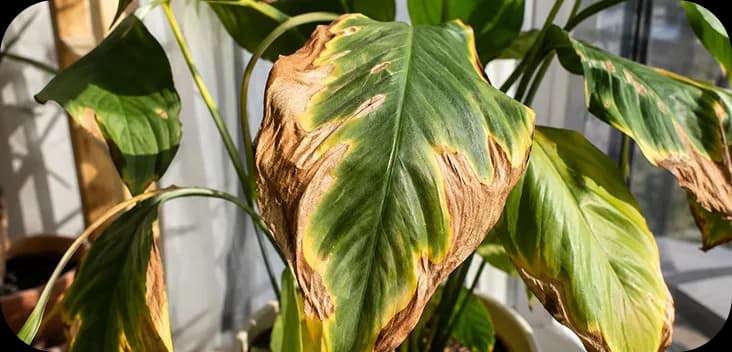
Too Much Sun?
Check if your plant gets too much direct sunlight and improve its placement
Scan your plant to receive care tips personalized for your specific plant
The best light for weld is full sun, with open exposure for most of the day. Strong light supports sturdy growth and better flowering than partial shade.
Discover how to care for your plants with Botan.

5 min read · 11 Sept 2026
Indoor plants can make a room feel fresher thanks to their air-purifying qualities. Here are 5 of the most suitable choices for your routine and living space.
8 min read · 14 Jul 2026
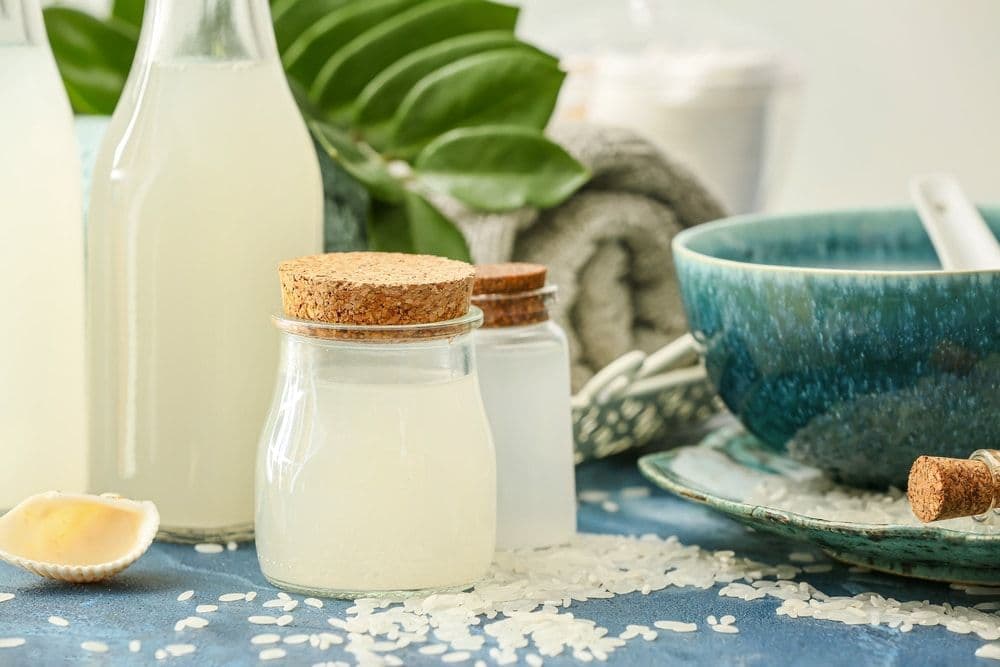
Rice water can be an ideal DIY solution for orchids, roses, or fruiting plants. It supports growth, leaf count, and height. We’ll share how to make and apply it correctly for your plant.
7 min read · 30 Jul 2026
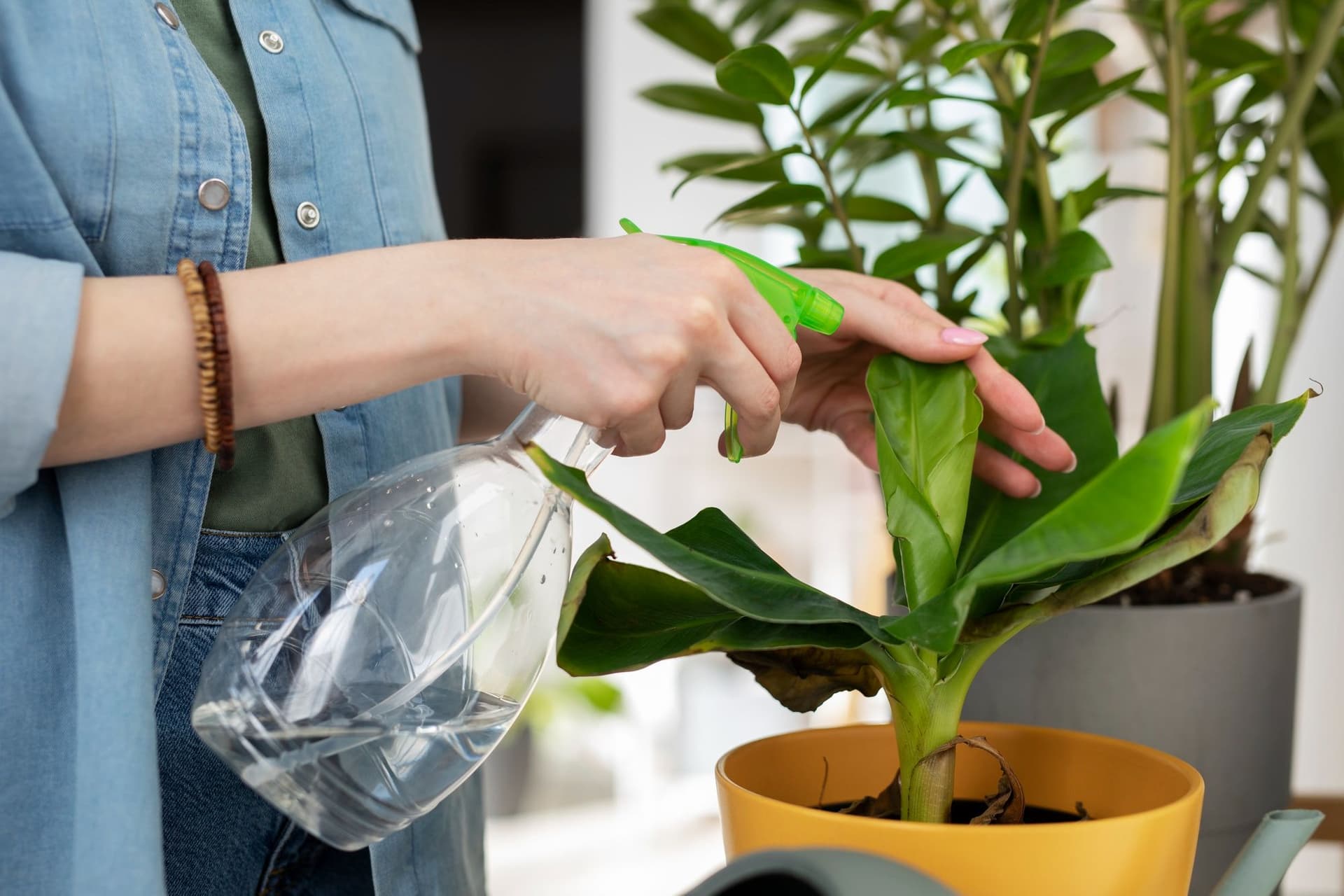
Find out when misting works well and when to avoid it. Here, you’ll find detailed information about compatible and incompatible species, tips on how often to mist plants and do it correctly, and some great alternatives for raising humidity.