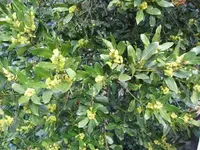


Bay laurel (Laurus nobilis) Light Needs

Bay laurel grows best in full sun, with several hours of direct light each day.

Light Preference

Full Sun

Laurus nobilis Light Requirements

Laurus nobilis is native to the Mediterranean region, where it grows in mild coastal and inland climates with bright sun and dry summers. In natural and cultivated settings, established plants often receive open sunlight, though they can handle some partial sun, especially during hot afternoons or in containers. This background explains its need for strong light in gardens and homes. Preferred light is full sun.

  • Ideal exposure:

    Bay laurel needs about 6–8 hours of full sun or very bright light daily, including 4–6 hours of direct sun.

  • Full sun tolerance:

    Established plants tolerate full sun well, especially outdoors with good air movement.

  • Partial sun:

    Partial sun is tolerated, but growth is usually less dense than in stronger light.

  • Shade limits:

    Shade is not suitable for long-term growth and often leads to stretched, sparse stems.

Indoors, this plant needs the brightest window available and benefits from direct sun.

NPoor
North-facing window:

A north-facing window is usually too dim for steady, compact growth unless it is unusually bright and unobstructed.

ESuitable
East-facing window:

An east-facing window is suitable if it provides direct morning sun and bright light for the rest of the day.

SBest
South-facing window:

A south-facing window is usually the best indoor choice, especially in winter, if the plant is acclimated to the stronger sun.

WSuitable
West-facing window:

A west-facing window can work well, but hot afternoon rays may need light filtering during summer heat.

Place the plant as close to strong natural light as practical, and adjust if leaves scorch or growth becomes thin.

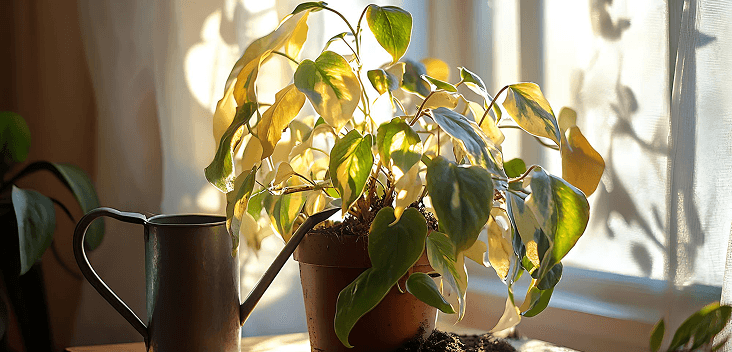
Strong sun is usually tolerated, but sudden exposure can scorch leaves.

Bleached patches:

Pale tan or gray areas may appear on the sun-facing side after a shaded plant is moved outdoors too quickly.

Crisp scorch marks:

Dry brown patches can form where hot glass or harsh afternoon sun hits the same leaves for hours.

Dull, curled leaves:

Leaves may look slightly curled or dull during intense heat when light and temperature are both high.

One-sided damage:

Damage often shows on the most exposed outer growth while shaded inner leaves remain normal.

Move it out of the harshest afternoon sun, or add light shade during the hottest part of the day. Increase direct sun again gradually over 1–2 weeks.

Weak light limits dense growth and can make the plant thin indoors.

  • Leggy stems:

    New shoots may stretch with longer gaps between leaves as they reach toward the brightest side.

  • Leaning growth:

    The canopy may lean toward a window or become noticeably uneven between rotations.

  • Small new leaves:

    Fresh growth can be smaller and softer than older leaves during the active growing season.

  • Sparse interior:

    Interior stems may look bare because new growth forms mainly near the limited light source.

  • Slow active growth:

    Little new growth in spring or summer can suggest the light level is too low.

Move it to a brighter exposure with some direct sun rather than deeper shade. Make the change gradually if the new location is much brighter.

Choose the brightest available position when full outdoor sun is not possible; several hours of direct morning or late-day sun is the best compromise.

Rotate the pot every 1–2 weeks so the canopy receives light evenly and does not lean toward one side.

Avoid placing it far from a bright opening because room light alone is usually too weak for steady, compact growth.

Get Personalized Care Plan

Scan your plant to receive care tips personalized for your specific plant

FAQ

Bay laurel light requirements are strongest in full sun: about 6–8 hours of bright exposure daily, with roughly 4–6 hours of direct sun when possible.

More Plant Light Guides

Get the Botan App

Discover how to care for your plants with Botan.

Botan app identifying a plant with a phone camera
How to Tell if a Plant Is Dead

6 min read · 19 Aug 2026

How to Tell if a Plant Is Dead

A plant can lose its leaves, stop growing, or collapse and still remain alive. A closer look at the stems, roots, bulbs, and tubers can show whether the plant still has a chance to recover.

Beginner Guides
How to Tell if a Plant Is Dead
Best Fertilizer for Grass in Summer: How to Choose the Right One

6 min read · 18 Aug 2026

Best Fertilizer for Grass in Summer: How to Choose the Right One

The right fertilizer in summer can make a lawn thrive. The wrong one can damage it. Here, you’ll learn the best NPK ratios by grass type, when and how to apply your formula, and how to recognize the signs of over- or under-fertilizing.

Plant Care
Best Fertilizer for Grass in Summer: How to Choose the Right One
12 Most Wanted Rare Houseplants to Grow at Home

6 min read · 21 Sept 2026

12 Most Wanted Rare Houseplants to Grow at Home

Rare houseplants can turn an ordinary corner in your apartment into a living botanical collection. This guide covers 12 most admired picks, what makes them special, and how to grow them successfully at home.

Plant Recommendations
12 Most Wanted Rare Houseplants to Grow at Home