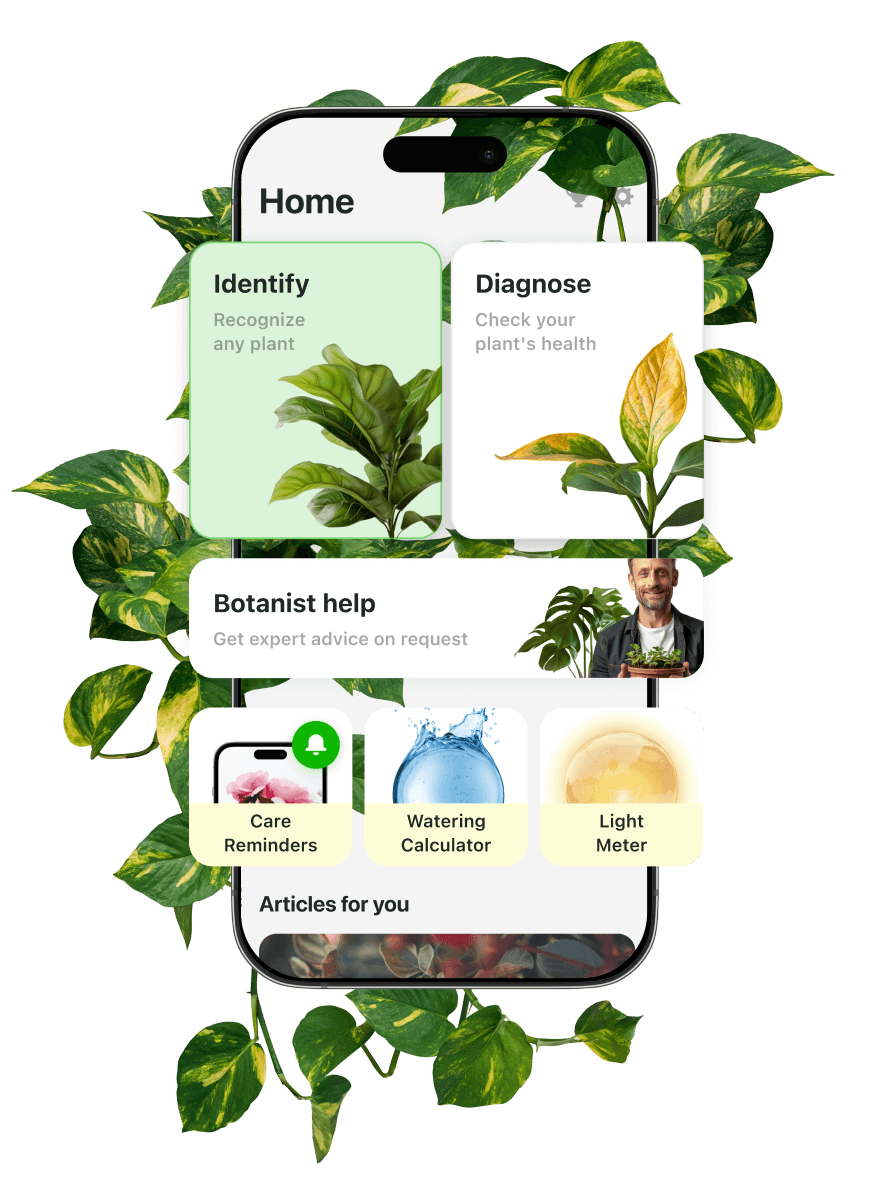
How to Water Houseplants: Watering Guide
Learn how often to water indoor plants, key factors for proper watering, and how to adjust the care routine by plant type, season, pot size, light, and indoor conditions.

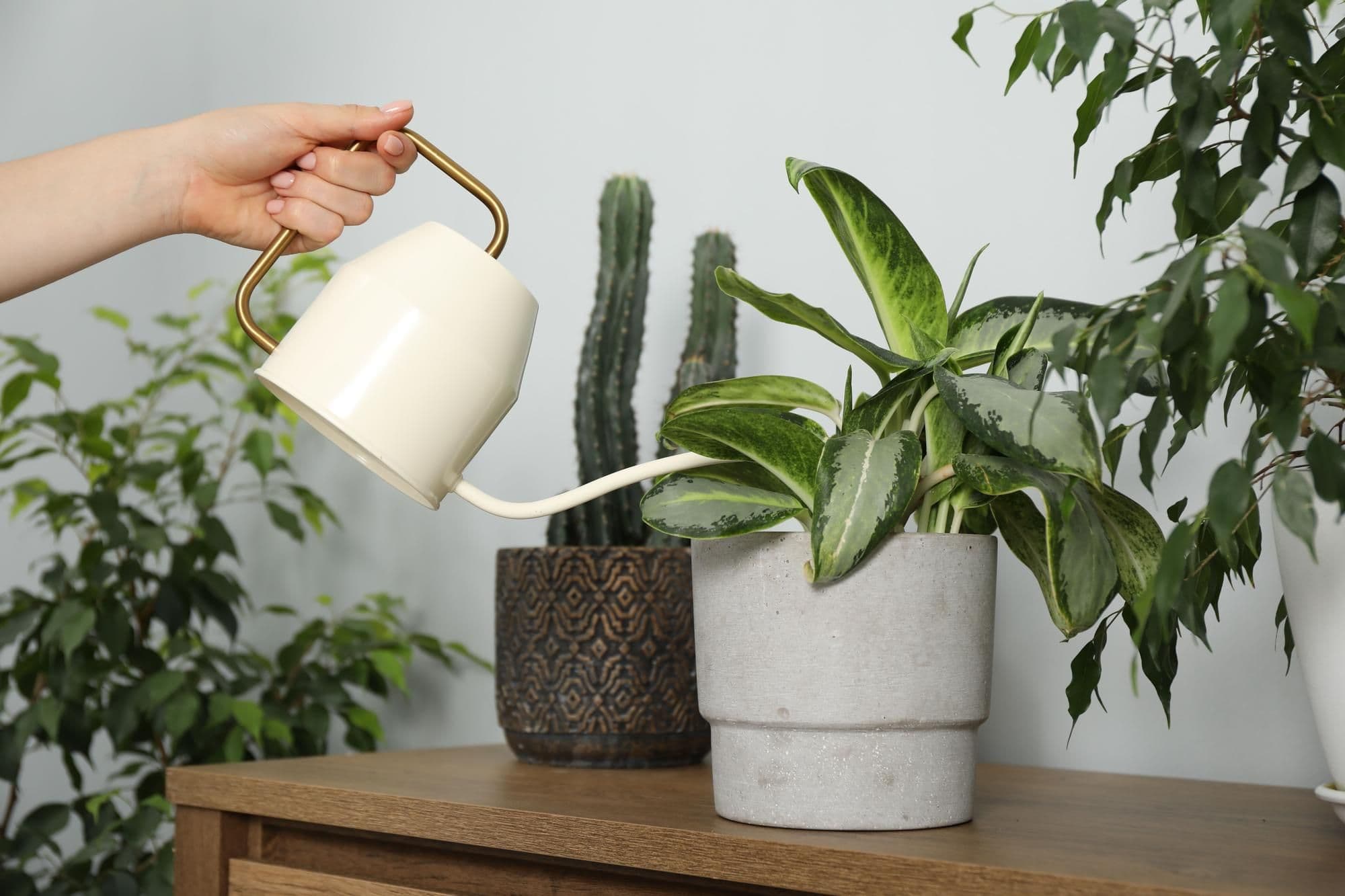
Knowing how to water houseplants and care for them properly based on Botan tips is one of the most important skills among indoor gardeners. Without it, you may make mistakes leading to root rot, drying of the plant, or even the death of the greenery.
A good rule is to moisten the plant when the soil is dry to the touch and allow the moisture to drain away. But for proper care, you should know more details about watering indoor houseplants, which this guide will share with you.
7 Key Factors for Proper Houseplant Watering
Before watering houseplants, pay attention to the environment in which they grow. The special schedule marked in your calendar is not enough for proper care, as conditions in the bedroom, bathroom, living room, and kitchen are different.
So, keep in mind these 7 main factors:
- Plant type. Different species need different amounts of water. For example, cacti, succulents, and thick-leaved plants can thrive without hydration longer than tropical types. If you don’t sure which type is growing at home, identify houseplants by their visual signs.
- Soil mix. Dense soil holds moisture longer, while airy mixes with bark, perlite, or coarse particles dry faster.
- Pot size and material. Soil in small pots dries faster than soil in larger containers after watering indoor plants. Terracotta and clay containers allow air to reach the root ball. Pots made of glazed ceramic or plastic do not have such features.
- Drainage. A pot with drainage holes in the bottom allows excess moisture from the soil to drain into a special saucer, preventing soggy roots and root rot.
- Light level. Plants in brighter places require watering more often than species that are placed in shady corners.
- Temperature. Warm rooms increase moisture evaporation from the soil after watering houseplants, while in places with cooler climates, this happens more slowly, and greenery requires less water.
- Humidity. In a space with high air humidity, the soil mix dries out more slowly. Low humidity, in turn, dries leaves and potting mix faster, especially during the heating season.
Most houseplants get sick or die due to improper watering. Too wet soil usually leads to root rot, while too dry soil can limit healthy growth. So, considering the mentioned factors can help you to avoid this problem.

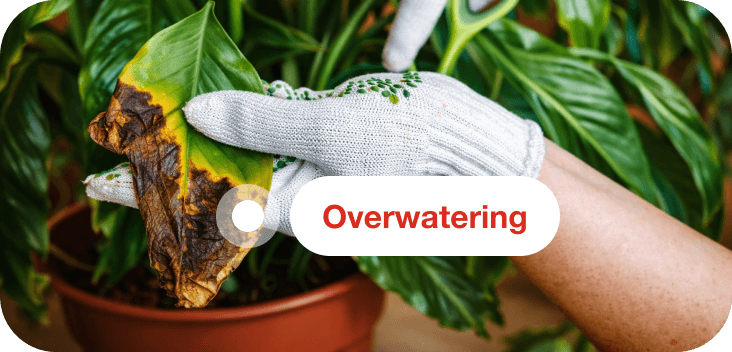
Identify Your Plant’s Problem
Scan with Botan for an instant diagnosis — 98%+ accuracy
How Often to Water Indoor Plants
The answer to the question “How often to water houseplants?” depends on the plant type and growing conditions. Common species, including Swiss Cheese Vine, require watering every 7-14 days during active growth.
Drought-tolerant plants need moisture every 2-4 weeks. As for tropical species in bright rooms, such as the Money Tree, they require watering more often.
Know When to Water Your Houseplant
Get watering reminders for indoor plants
Indoor Plant Watering Chart
If you are going to water houseplants by chart, consider it a starting point that can help you better organize care for many species in one room, but not a strict rule. You should check the soil each time before watering, as temperature, humidity, drainage, and season can shift the timing.
The chart below is useful for comparing common indoor plant groups and understanding their typical moisture needs.
Plant Type | Typical Watering Frequency | Soil Check Before Watering | Notes |
Tropical foliage plants (Swiss cheese vine, pothos, philodendron) | Every 7-10 days | Top 1-2 inches dry | May need more frequent watering in bright, warm conditions. |
Cacti (bunny ears, old lady cactus, moon cactus) | Every 3-6 weeks | The soil top is completely dry. | Minimal watering in autumn and winter. |
Succulents (jade plant, echeveria, haworthia) | Every 2-3 weeks | Soil is completely dry. | Use a fast-draining mix and let excess moisture drain after watering. |
Ferns (Boston fern, maidenhair fern, bird’s nest fern) | Every 5-7 days | Keep evenly moist, but not soggy. | Often prefer higher humidity. |
Begonias (Polka Dot Begonia, King Begonia) | Every 5-10 days | The top 1 inch of soil is slightly dry. | Keep soil evenly moist, but avoid soggy conditions. |
Large floor plants (money tree, fiddle-leaf fig, rubber plant) | Every 10-21 days | Check moisture several inches deep. | Large pots may retain moisture below the surface longer. |
6 Signs Your Indoor Plant Needs Water
Plants usually show signs that they need moisture before drought stress. Here are the most common among them:
- Dry soil. The top 1-2 inches of soil are dry to the touch. The potting mix may pull away from the container edge.
- Lighter pot weight. If you lift the container, it seems lighter than after watering.
- Mild wilting. Leaves look wilted, but they recover after watering.
- Curling leaves. Leaves of some plants are like tubes by curling their leaves upward and inward.
- Dark or crispy edges. Leaf tips may turn brown and crumble when touched.
- Slow growth. A thirsty plant may grow more slowly, especially during spring and summer.
It’s important to keep in mind several signs together instead of relying on one symptom, as a single clue may indicate a problem other than underwatering.

How to Water Houseplants by Season
You also need to know how to water indoor plants by season, as seasonal changes in light, temperature, and growth rate affect water use. So we recommend that you adjust watering houseplants by season, but do not forget to check each pot individually.
Winter
In winter, most indoor plants grow slowly because of shorter days and poor light. So, moisten greenery rarely so that the soil is dry a little between waterings. Note that combining overwatering, a cold windowsill, low light, and a pot without drainage holes may cause root rot.
Spring
In spring, plant growth becomes more active, requiring more frequent watering. But increase moisture gradually as new leaves appear, temperatures rise, and plants begin using more moisture.
Summer
Summer is usually the faster-drying period because of higher temperatures in the room, brighter light, and more active growth. So, during this period, check moisture more often, especially if plants are in small pots or on sunny windowsills.
If you see that the soil is dry, moisten the soil deeply, then empty saucers so roots are not left standing in water.
Autumn
Since daylight decreases and growth slows, reduce watering. However, do it gradually. Plants may still need regular moisture early in the season, but many will dry more slowly by late fall.

7 Indoor Plant Watering Tips
Consider proper watering care as a repeatable habit, not a one-time action. These are practical tips for a correct watering routine:
- Water deeply. Moisten the plant so that the excess moisture flows through the drainage holes into a special saucer.
- Empty the saucer. Do not let your houseplants be in standing moisture for long periods to avoid root rot.
- Check the soil before watering. Touch the soil with your finger to check if it is dry or normal.
- Match water to plant type. Succulents need a different routine from ferns or tropical plants.
- Use room-temperature water. Very cold water can shock sensitive roots.
- Improve drainage when needed. Check if the pots have drainage holes. If the soil has bad drainage features, change it into a suitable potting mix.
- Adjust after repotting. Fresh soil may hold moisture differently from the old mix.
Once you understand how to repot a plant, the best time for fertilizing, and watering practices, you can prevent many serious problems, including overwatering and drought stress.
FAQ
The exact amount depends on plant type, pot size, soil mix, lighting, drainage, and season. Moisten thoroughly until excess moisture drains from the bottom of the pot.
Alex Yar
Plant Expert
7+ years of experience studying plants, researching their diseases, and examining their characteristics.
Alex is a plant expert and writer with more than 7 years of experience studying plants, their growing requirements, and their responses to environmental conditions. His areas of expertise include plant care, disease recognition, stress diagnosis, pest-related problems, and the distinctive characteristics of different species.
Over the years, Alex has developed a strong practical understanding of how light, temperature, humidity, watering, soil conditions, and nutrition affect plant health. He combines careful observation with in-depth research to explain effective care and recovery methods.
Alex has extensive hands-on experience caring for houseplants. His articles translate complex botanical topics into clear guidance that helps you better understand your plants and recognize early warning signs.
Related Articles
5 min read · 28 Sept 2026
How to Winterize Your Garden in 6 Steps
Learn how to prepare your garden for winter with a practical six-step checklist covering cleanup, tender plant care, watering, mulching, winter protection, and winterizing equipment and containers.
6 min read · 15 Sept 2026
Can Plants Grow With Artificial Light?
Plants can grow under artificial light when the setup provides a suitable spectrum, enough intensity, and sufficient daily exposure. This guide explains how artificial lighting compares with sunlight, which options work indoors, and how to match a setup to houseplants.
4 min read · 14 Sept 2026
Is Sugar Water Good for Plants?
Sugar water may sound like an easy boost, but most rooted plants do not need extra sucrose. This guide explains how green tissues produce carbohydrates, when a sweetened solution can be useful, and why too much can cause problems.
Explore Plants by Care Needs
 POPULAR
Small-leaf spiderwort
Tradescantia fluminensis
 POPULAR
Strawberry saxifrage
Saxifraga stolonifera
 POPULAR
Philodendron brandtianum
Philodendron brandtianum
 POPULAR
Mother of Thousands
Kalanchoe daigremontiana
 POPULAR
Ruens Haworthia
Haworthia retusa
 POPULAR
Gold dust dracaena
Dracaena surculosa
 POPULAR
Cwebe asparagus fern
Asparagus densiflorus
 POPULAR
Burro's-tail
Sedum morganianum
Identify the plant and problem. Help your plant recover
Identify plant problems early, understand what's wrong, and get clear care guidance. Botan helps you turn guesswork into confident plant care