Can Plants Grow With Artificial Light?
Plants can grow under artificial light when the setup provides a suitable spectrum, enough intensity, and sufficient daily exposure. This guide explains how artificial lighting compares with sunlight, which options work indoors, and how to match a setup to houseplants.

On this page
- Can Plants Grow Without Sunlight?
- Artificial Light and Photosynthesis
- Artificial Light vs. Sunlight: What Plants Need
- Is Artificial Light Enough for Healthy Plant Growth?
- What Artificial Light Do Plants Need to Grow?
- Which Plants Can Grow With Artificial Light?
- Tips for Growing Plants With Artificial Light
- Common Mistakes to Avoid
- How to Choose the Best Artificial Light For Your Plant
Can plants grow with artificial light? They can, provided the setup delivers enough usable light for the species. Botan can help identify the species and review its care needs. Choosing the right spectrum, intensity, and exposure time makes artificial lighting more effective indoors.
Can Plants Grow Without Sunlight?
Plants do not specifically require sunlight, but they do need enough light energy to maintain photosynthesis. Artificial lighting can replace daylight in spaces with little or no sun when the setup meets the species' needs.
So, can plants live on artificial light alone? Many can if the lamp provides adequate intensity for enough hours each day. Cast iron plant (Aspidistra elatior) tolerates low-light conditions. Parlor palm (Chamaedorea elegans) is another shade-tolerant option for lower-light interiors.
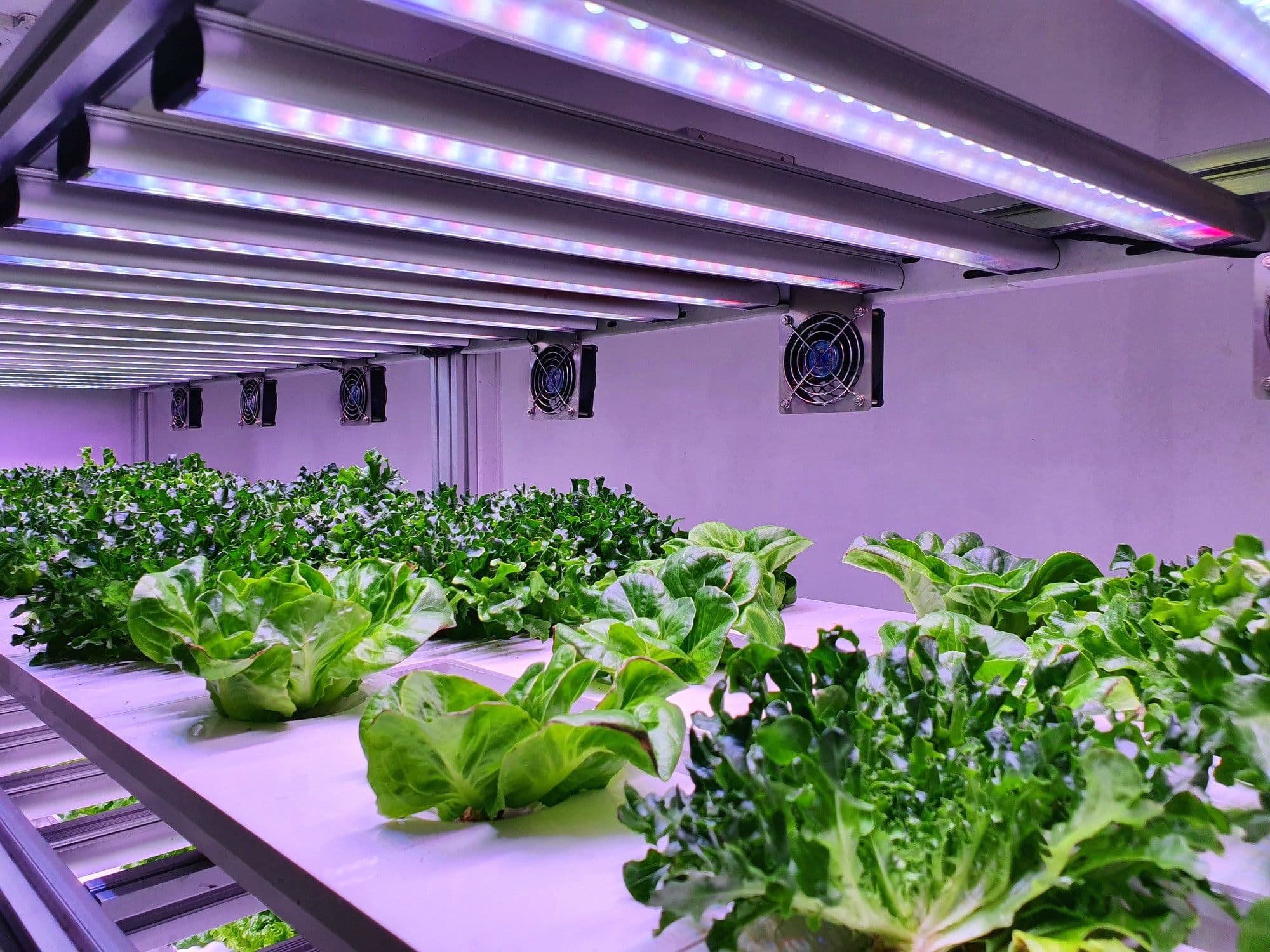
Seedlings, sun-loving plants, and species producing flowers or fruit generally need stronger lighting. Standard household bulbs are often too dim for sustained growth, while horticultural fixtures are designed to provide more useful output at leaf level.
Artificial Light and Photosynthesis
Artificial lighting supports photosynthesis because photosynthetic pigments can absorb light across a useful wavelength range, whether it comes from a lamp or sunlight. Blue and red parts of the spectrum are especially important, while the amount reaching the leaves also influences photosynthetic activity. Other wavelengths also contribute to photosynthesis.
Can plants use artificial light effectively? They can when the source offers a suitable spectrum, sufficient intensity, and enough daily exposure. If output is too weak or the lamp sits too far away, growth may become pale, stretched, or slow.

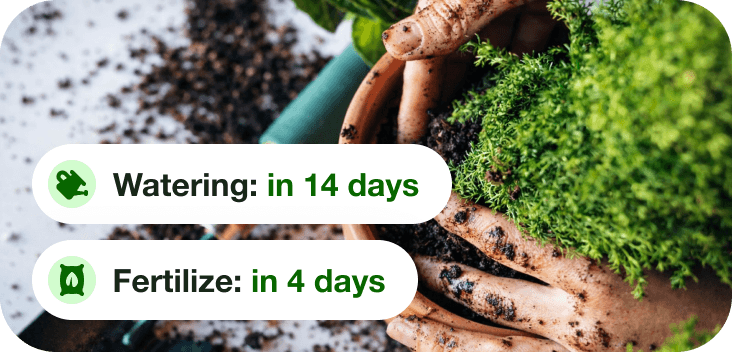
Your Personalized Care Plan
Get personalized plant care recommendations in the app
Artificial Light vs. Sunlight: What Plants Need
Sunlight provides a broad spectrum and, outdoors, can reach much higher intensity than most indoor lamps. Its strength and duration also change with the time of day, season, weather, and window exposure.
Artificial lighting is more controllable: you can adjust how long it runs, how close it sits to the foliage, and which wavelengths reach the plant. Brightness alone is a poor guide because the intensity reaching the leaves matters more.
Is artificial light good for plants? It can be when the setup matches the species. Full-spectrum LED grow lights can support both foliage and flowering, while lower-output lamps may be enough for shade-tolerant houseplants.
One practical advantage of artificial lighting is consistency. Daylight varies, whereas grow lights can provide a predictable daily photoperiod. Neither option is automatically better. Healthy growth depends on providing enough usable intensity for each species without excessive exposure.

Is Artificial Light Enough for Healthy Plant Growth?
Artificial light can be enough for healthy growth when it provides the intensity and spectrum a plant needs. The right setup depends on the species, growth stage, lamp intensity, spectrum, distance from the foliage, and daily exposure.
Some houseplants tolerate moderate or lower-light conditions better than others. Silver Queen plant (Aglaonema commutatum) can handle partial shade, while Philodendron ‘Moonlight’ tolerates lower light, although growth may slow. Seedlings and flowering species often need a stronger source.
Can plants grow from artificial light alone? They can if those requirements are met consistently. Plant response matters as much as lamp specifications: stretched stems, small new leaves, or weak growth can signal insufficient output, while bleached or yellow-green foliage and stunted growth may indicate excessive intensity.
Not Sure What Light Your Plant Needs?
Check its lighting needs in Botan
What Artificial Light Do Plants Need to Grow?
The right choice depends on the species, available space, and the output the setup must provide. LED grow lights, fluorescent systems, and HID lamps differ in intensity, heat output, energy efficiency, and practical use indoors.
Light Type | Suitable For | Main Advantages | Main Limitations |
LED grow lights | Houseplants, seedlings, and flowering plants when the output matches their needs | Energy-efficient, low operating temperature, long lifespan, available in broad-spectrum options | Higher-quality systems may cost more upfront |
T5 HO fluorescent lights | Houseplants, seedlings, and flowering plants | Strong light for growth and flowering, relatively inexpensive, low heat output | Less energy-efficient and shorter-lived than LED systems |
HID lights | High-light plants and larger growing setups | Produces very strong, intense light | Generates substantial heat, requires more space, and may need ventilation |
LED and T5 HO fluorescent systems can both work well indoors. LEDs use less energy and produce relatively little heat, while T5 HO tubes offer strong output at a relatively low upfront cost. HID lighting can provide very high intensity, but the heat it generates makes it less convenient in a typical home.
Regular household bulbs are generally too weak for sustained plant growth. When daylight is insufficient, specialized horticultural lighting provides a more suitable source.

Which Plants Can Grow With Artificial Light?
Several houseplants can grow under artificial lighting when the setup matches their needs. The intensity and exposure they need still vary, so it helps to know the species before setting the lamp distance or lighting schedule.
- Monstera (Monstera deliciosa) prefers bright, indirect conditions. Check Monstera light needs before choosing its placement.
- Golden pothos (Epipremnum aureum) handles moderate indoor lighting well.
- ZZ plant (Zamioculcas zamiifolia) tolerates lower-light settings.
- Snake plant (Dracaena trifasciata) also adapts to modest light levels.
- Peace lily (Spathiphyllum wallisii) grows best with brighter indirect light.
- Spider plant (Chlorophytum comosum) prefers bright, indirect conditions.
Their lighting requirements are not identical. A houseplant identifier can help confirm the species before you choose lamp intensity, distance, or duration.

Tips for Growing Plants With Artificial Light
Match the lighting schedule to the species instead of using one routine for every plant. Keep the lamp at the manufacturer-recommended distance, position it above the foliage for even coverage, and adjust the height as the plant grows.
A timer can keep daily exposure consistent without requiring manual switching. Recheck the setup after moving the plant or changing fixtures.
Check new growth after changing the setup. Stretching toward the lamp may suggest insufficient intensity, while pale or bleached foliage can indicate too much. If natural daylight is also available, include it when planning total exposure. Plant care tips can help you coordinate lighting with watering and seasonal changes.
Common Mistakes to Avoid
Artificial lighting works best when the setup matches the plant rather than following one fixed routine. Small placement or timing errors can reduce growth even when the lamp itself is suitable.
- Using a standard household bulb instead of a grow light.
- Keeping every species at the same distance from the lamp.
- Running lights longer than the plant needs each day.
- Ignoring heat buildup around foliage, especially in enclosed spaces.
Check foliage color, stem growth, and new leaves after making adjustments. Change intensity, distance, or duration gradually so you can see how the plant responds.

How to Choose the Best Artificial Light For Your Plant
Start with the species’ natural lighting requirements, then choose a lamp that can provide enough intensity and daily exposure indoors. Shade-tolerant species may need only moderate output, while sun-loving or flowering plants generally require stronger lighting.
Also consider the growing area, heat production, energy use, and whether the fixture height can be adjusted as the plant develops. Check the fixture’s recommended coverage area as well as its distance from the foliage.
If your collection includes some of the hardest plants to grow, check their species-specific lighting needs before choosing a fixture. Follow the manufacturer’s placement guidance, then adjust distance or duration gradually while monitoring new growth.
FAQ
Yes. A suitable lamp can help plants grow when it provides enough usable light for the species and growth stage. Grow lights are especially useful in rooms with limited daylight or during darker seasons. Their effectiveness depends on intensity, spectrum, placement, and daily exposure time.
Alex Yar
Plant Expert
7+ years of experience studying plants, researching their diseases, and examining their characteristics.
Alex is a plant expert and writer with more than 7 years of experience studying plants, their growing requirements, and their responses to environmental conditions. His areas of expertise include plant care, disease recognition, stress diagnosis, pest-related problems, and the distinctive characteristics of different species.
Over the years, Alex has developed a strong practical understanding of how light, temperature, humidity, watering, soil conditions, and nutrition affect plant health. He combines careful observation with in-depth research to explain effective care and recovery methods.
Alex has extensive hands-on experience caring for houseplants. His articles translate complex botanical topics into clear guidance that helps you better understand your plants and recognize early warning signs.
Related Articles
4 min read · 14 Sept 2026
Is Sugar Water Good for Plants?
Sugar water may sound like an easy boost, but most rooted plants do not need extra sucrose. This guide explains how green tissues produce carbohydrates, when a sweetened solution can be useful, and why too much can cause problems.
6 min read · 1 Sept 2026
How To Revive a Dying Plant: 6 Steps To Bring A Plant Back To Life
Drooping leaves and brown tips don't always mean the end, and a weakened plant can often recover with a little help. These six simple steps will help you revive a dying plant and restore its health.
8 min read · 31 Aug 2026
How to Group Plants in Landscaping: A Practical Layout Guide
Good plant grouping can mean the difference between a well-planned garden and one that looks sloppy. This guide explores layers, spacing, cluster shapes, and the plants that thrive when you group them.
Explore Plants by Care Needs
 POPULAR
African Milk Tree
Euphorbia trigona
 POPULAR
Pink Rock Orchid
Dendrobium kingianum
 POPULAR
Xerographica Air Plant
Tillandsia xerographica
 POPULAR
Pygmy Date Palm
Phoenix roebelenii
 POPULAR
Purple Passion Plant
Gynura aurantiaca
 POPULAR
Spoon-Leaved Sundew
Drosera spatulata
 POPULAR
Bamburanta
Ctenanthe lubbersiana
 POPULAR
Satin Pothos
Scindapsus pictus
Identify the plant and problem. Help your plant recover
Identify plant problems early, understand what's wrong, and get clear care guidance. Botan helps you turn guesswork into confident plant care