

Monstera (Monstera deliciosa) Light Needs

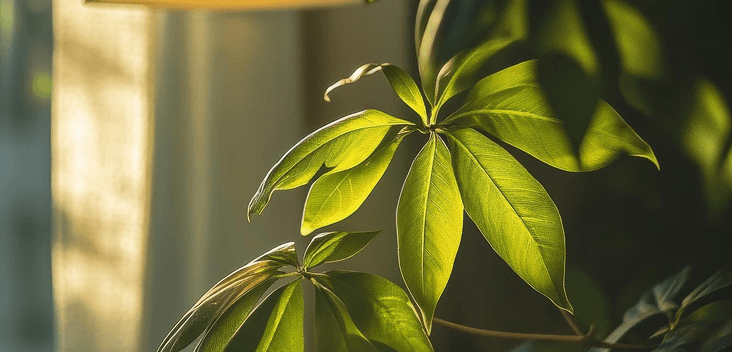
Monstera grows best in bright, indirect light with a little gentle morning sun if acclimated.

Light Preference

Bright Indirect Light

Monstera deliciosa Light Requirements

In its native tropical forests of southern Mexico and Central America, Monstera deliciosa grows as a climbing aroid beneath and along tree trunks. Young plants begin in partial shade, while mature stems can reach brighter filtered light higher in the canopy. Open midday sun is not the normal condition for its foliage. This translates to steady brightness without harsh midday exposure. Bright, indirect or filtered light is preferred.

  • Ideal exposure:

    Monstera needs about 6–8 hours of bright, indirect or filtered light daily, including up to 1–2 hours of gentle direct morning sun.

  • Direct sun limit:

    Brief morning sun is usually tolerated, but strong midday or afternoon sun can scorch the broad leaves.

  • Lower light tolerance:

    Shade is tolerated, but growth is slower and new leaves often stay smaller in dim rooms.

  • Best sun timing:

    Morning light is safer than late-day sun, especially through hot west or south-facing glass.

Indoors, the best position gives strong daylight without long exposure to hot direct sun.

NConditional
North-facing window:

Use only if the window is large, clear, and close to the plant; many north rooms are too dim for strong growth.

EBest
East-facing window:

Place within 1–3 ft of an east window for bright morning light and protection from harsher afternoon sun.

SSuitable
South-facing window:

Works if the plant is 3–6 ft from unobstructed glass or direct rays are softened with a sheer curtain.

WConditional
West-facing window:

Use filtered light or keep the plant several feet back, since late-day sun can overheat and scorch leaves.

Adjust placement if the newest growth becomes smaller, stretched, or sun-marked.

Excess light usually shows on the leaves facing the window first.

Bleached patches:

Pale tan or whitish areas can appear after sudden exposure to strong direct sun.

Scorched sections:

Brown, dry patches may form where afternoon rays hit the same leaf surface.

Faded color:

Leaves can look washed out rather than deep green under repeated harsh exposure.

Heat tilt:

Newer leaves may angle away from intense glass-side sun during the brightest hours.

Move the plant out of direct afternoon sun or add a sheer curtain. Keep it in bright light while the damaged tissue remains unchanged.

Low light often shows through growth habit before old leaves change. It can tolerate shade, but it may not grow strongly there.

  • Stretching stems:

    Long spaces between leaves can develop as the vine reaches toward brighter areas.

  • Strong leaning:

    The plant may pull noticeably toward a window instead of growing evenly around its support.

  • Smaller leaves:

    New leaves may stay smaller and develop fewer splits or holes than older, well-lit growth.

  • Seasonal slowdown:

    During spring or summer, very slow new growth can point to light that is too weak.

Move it to brighter indirect light and watch the next few leaves for improvement. Existing small leaves will not enlarge much after they harden.

If ideal brightness is limited, choose the brightest spot that does not expose the leaves to hot afternoon rays. Accept slower growth rather than pushing it into harsh sun.

Rotate the pot a quarter turn every 1–2 weeks so new leaves do not all lean one way.

Do not keep it several feet inside a dim room; shade tolerance does not mean strong indoor growth in darkness.

Light Check

Let Botan check if your plant's light conditions are right.

FAQ

The best light for Monstera is bright, indirect light for most of the day, with gentle morning sun tolerated after acclimation. Avoid long periods of hot direct sun through glass.

Everything About Monstera

More Plant Light Guides

Getting the Right Light?

Botan can help answer common questions about light and general plant care so your plants get exactly what they need to thrive.

Botan app identifying a plant with a phone camera
Top 15 Fast-Growing Trees For Your Garden

13 min read · 28 Jul 2026

Top 15 Fast-Growing Trees For Your Garden

Learn which of the 15 fastest-growing trees will suit your area. We’ll share detailed information on each: growth rate, mature spread, key tree demands, and main vulnerabilities. Read on and make the best choice possible.

Plant Recommendations
Top 15 Fast-Growing Trees For Your Garden
How to Clean Plant Leaves: A Simple Care Guide

6 min read · 4 Aug 2026

How to Clean Plant Leaves: A Simple Care Guide

Dusty leaves look dull and don't absorb light well. Below, you'll find simple ways to clean them, which tools are truly effective, how often you should do it, and what causes damage.

Beginner Guides
How to Clean Plant Leaves: A Simple Care Guide
Best Fertilizer for Vegetable Gardens – What to Use for Each Plant

11 min read · 20 Jul 2026

Best Fertilizer for Vegetable Gardens – What to Use for Each Plant

Here, you’ll find the right fertilizer formula for vegetables in your garden. Learn how to adjust feeding correctly throughout the growing cycle, spot nutrient deficiencies by their symptoms, and keep your plants healthy and prolific.

Plant Recommendations
Best Fertilizer for Vegetable Gardens – What to Use for Each Plant