


kiwi (Actinidia chinensis) Light Needs

kiwi grows best in full sun, with long daily exposure and some protection from extreme reflected heat.

Light Preference

Full Sun

Actinidia chinensis Light Requirements

Actinidia chinensis is native to China, where it grows as a vigorous woody vine in forest margins, thickets, and open slopes. These settings give young shoots some shelter, but mature vines climb into brighter exposure with strong seasonal sun during the growing months.

In cultivation, the species performs best when its canopy receives long, unobstructed sun rather than shade. Preferred light is full sun.

  • Ideal exposure:

    kiwi needs about 6–8 hours of full sun daily, including at least 6 hours of direct sun for strongest growth and fruiting.

  • Direct sun:

    Established plants tolerate full sun well, especially where air movement is good and heat is not trapped against walls or pavement.

  • Partial sun:

    Partial sun is tolerated, but reduced exposure often leads to weaker growth and fewer flowers or fruit.

  • Harsh heat:

    In very hot sites, morning and midday sun with light afternoon protection is safer than intense reflected afternoon heat.

Full sun is suitable, but sudden or extreme exposure can still cause stress.

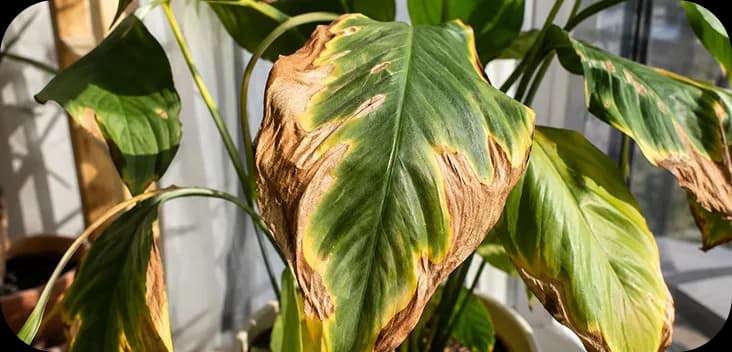
Bleached patches:

Leaves facing the strongest sun may develop pale tan or whitish areas after sudden exposure.

Sun-facing scorch:

Damage is often most visible on the outer canopy, especially where afternoon sun is intensified by walls or pavement.

Midday curling:

Tender leaves may curl or look limp during hot, exposed afternoons, then partly recover as light intensity drops.

Fruit sunscald:

Exposed fruit can develop pale or sunken sunburned areas in intense heat and direct afternoon sun.

Shift young plants into stronger sun gradually, or add light afternoon shade during heat waves. Keep the canopy in bright exposure while reducing harsh reflected heat.

Low light usually shows as weak growth before severe decline.

  • Long weak shoots:

    New stems may stretch quickly with thin growth as they search for stronger light.

  • Wide leaf spacing:

    Leaves may appear farther apart along the vine than on growth in brighter exposure.

  • Leaning growth:

    Shoots may angle strongly toward the brightest side of the support or planting area.

  • Poor flowering:

    Actinidia chinensis may produce fewer flowers and little fruit when the canopy receives too much shade.

  • Small new leaves:

    New leaves may stay smaller than expected during the active growing season.

Move or train the vine toward a sunnier, more open exposure. Reduce nearby shade if the planting site allows it.

If the site cannot provide full sun, choose the brightest open position and prioritize morning through midday exposure. Avoid planting where buildings, fences, or dense overhead cover block most of the day.

Train stems across a sunny support to spread the canopy into available light. Remove nearby shading growth if it blocks direct sun during the growing season.

Deep shade is unsuitable because it limits strong shoot growth, flowering, and fruit development.

Get Personalized Care Plan

Scan your plant to receive care tips personalized for your specific plant

FAQ

The best light for kiwi is full sun. This species grows and fruits best with long, direct exposure rather than shade, especially during the active growing season.

Everything About kiwi

More Plant Light Guides

Get the Botan App

Discover how to care for your plants with Botan.

Botan app identifying a plant with a phone camera
Top 15 Plants That Don’t Need Sunlight

8 min read · 17 Sept 2026

Top 15 Plants That Don’t Need Sunlight

Some plants thrive in dim rooms, shaded corners, and places with indirect light. In this guide, you’ll explore the top 15 species best suited to low-light conditions and how to care for them.

Plant Recommendations
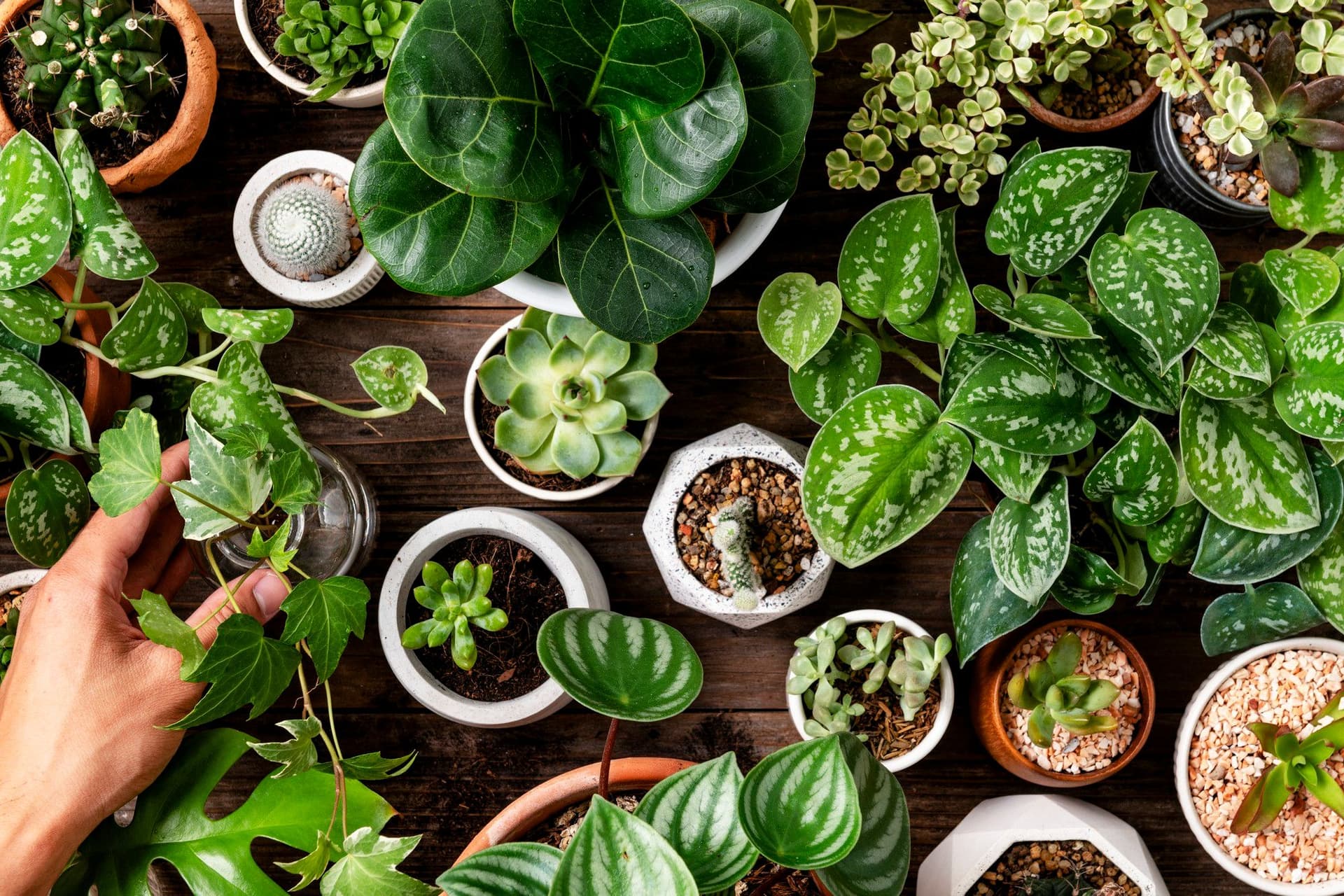
Top 15 Plants That Don’t Need Sunlight
What Do Plants Need to Grow – 5 Things Every Greenery Can't Live Without

8 min read · 31 Jul 2026

What Do Plants Need to Grow – 5 Things Every Greenery Can't Live Without

To keep plants healthy and thriving, provide the right balance of light, humidity, nutrients, airflow, and quality soil. This guide covers the essentials of year-round plant care.

Beginner Guides
What Do Plants Need to Grow – 5 Things Every Greenery Can't Live Without
What Plants Don't Like Epsom Salt?

11 min read · 29 Jul 2026

What Plants Don't Like Epsom Salt?

Learn which plants can be seriously damaged by Epsom salt and which will thrive on it. We’ll explain when and how to use it properly, provide tips for indoor & outdoor plants — read on and enjoy a healthy garden.

Plant Care
What Plants Don't Like Epsom Salt?