












Best Soil for kiwi (Actinidia chinensis)

Actinidia chinensis grows best in loose, organic-rich, well-drained soil that stays evenly moist and supports steady root development.

Soil Texture

Loamy, Sandy, Organic-rich

Soil pH

Strongly acidic (4.5–5.5), Acidic (5.5–6.5)

Soil Drainage

Moist but well-drained

Actinidia chinensis Soil Guide

Native to China, Actinidia chinensis grows in woodland margins and other moist, fertile settings where the soil stays evenly damp but does not become stagnant. That background explains its preference for loose, organic-rich ground that holds moisture without turning heavy or airless.

The root system is fairly shallow and benefits from soil with good aeration, since fine roots need both moisture and oxygen near the surface. The best soil for kiwi is loamy to sandy-loam, with enough organic matter to support steady moisture and a distinctly acidic reaction.

A homemade mix can give Actinidia chinensis the balance of air, moisture retention, and structure that container roots need.

100% total mix = 20 scoops
15%
perlite or pumice3 scoops
20%
compost4 scoops
25%
pine bark fines or orchid bark5 scoops
40%
high-quality potting soil8 scoops

The finished blend should feel crumbly and springy, hold light moisture evenly, and let extra water move through without staying soggy.

A slightly acidic to acidic range around 5.0–6.5 suits kiwi well. In that range, key nutrients stay more available to the roots, which supports steadier growth and healthier foliage.

If the pH drifts too far upward, some nutrients become harder for the plant to absorb even when they are present in the soil.

This species can struggle when the root zone stays stressed for long periods. Actinidia chinensis responds best when changes are caught early and corrected gradually.

Compacted soil:

Dense, tight media can limit root air flow and slow growth, so gently loosen the top layer and plan to refresh the mix if it stays hard.

Soggy root zone:

Soil that stays wet and heavy for too long can increase root stress, so first check drainage and remove any trapped water from saucers.

Soil drying too unevenly:

A mix that turns hard on top but stays wet below can confuse root activity, so break up the surface lightly and assess moisture deeper in the pot.

Organic matter breakdown:

Older mixes may shrink and lose structure over time, so top-check for settling and prepare to replace tired soil with a fresher, more open blend.

Scan for Better Soil

Botan can help assess your plant and guide you toward a soil setup that better matches its root and drainage needs.

FAQ

Yes. Drainage holes help excess water leave the container, which lowers the risk of stale, airless conditions around the roots and keeps the kiwi soil mix more balanced over time.

Everything About kiwi

More Plant Soil Guides

Could It Be the Soil?

Soil may be one factor behind a plant problem. Botan’s photo assessment can help you decide whether the growing medium is worth a closer look.

Botan app helping with soil and plant care
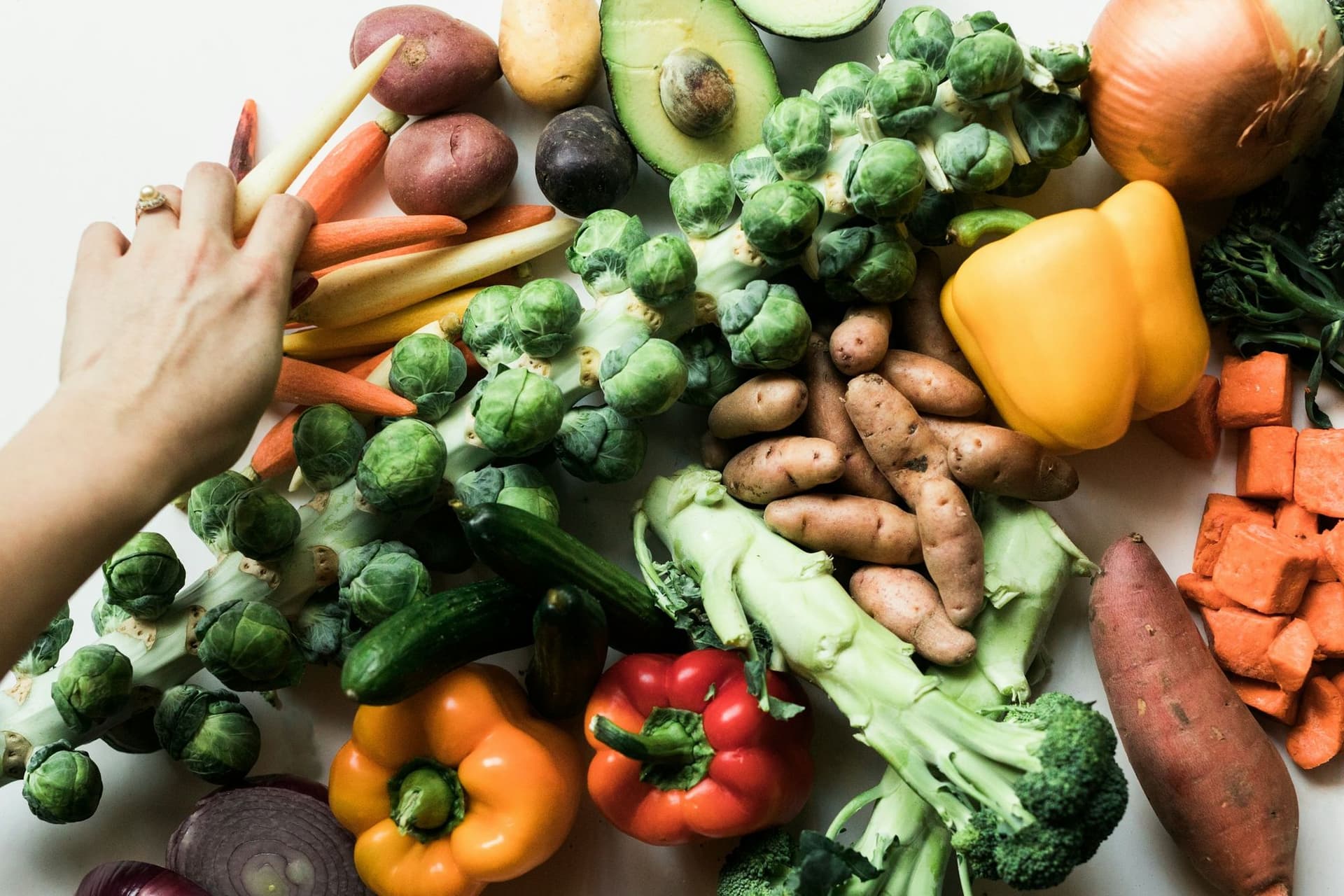
12 Best Cold-Hardy Vegetables for Cold Weather

7 min read · 13 Oct 2026

12 Best Cold-Hardy Vegetables for Cold Weather

Cold-hardy vegetables can keep a garden productive through chilly fall, winter, and early spring weather. This guide covers 12 reliable crops, their frost tolerance, and practical growing tips for better cold-season harvests.

Plant Recommendations
12 Best Cold-Hardy Vegetables for Cold Weather
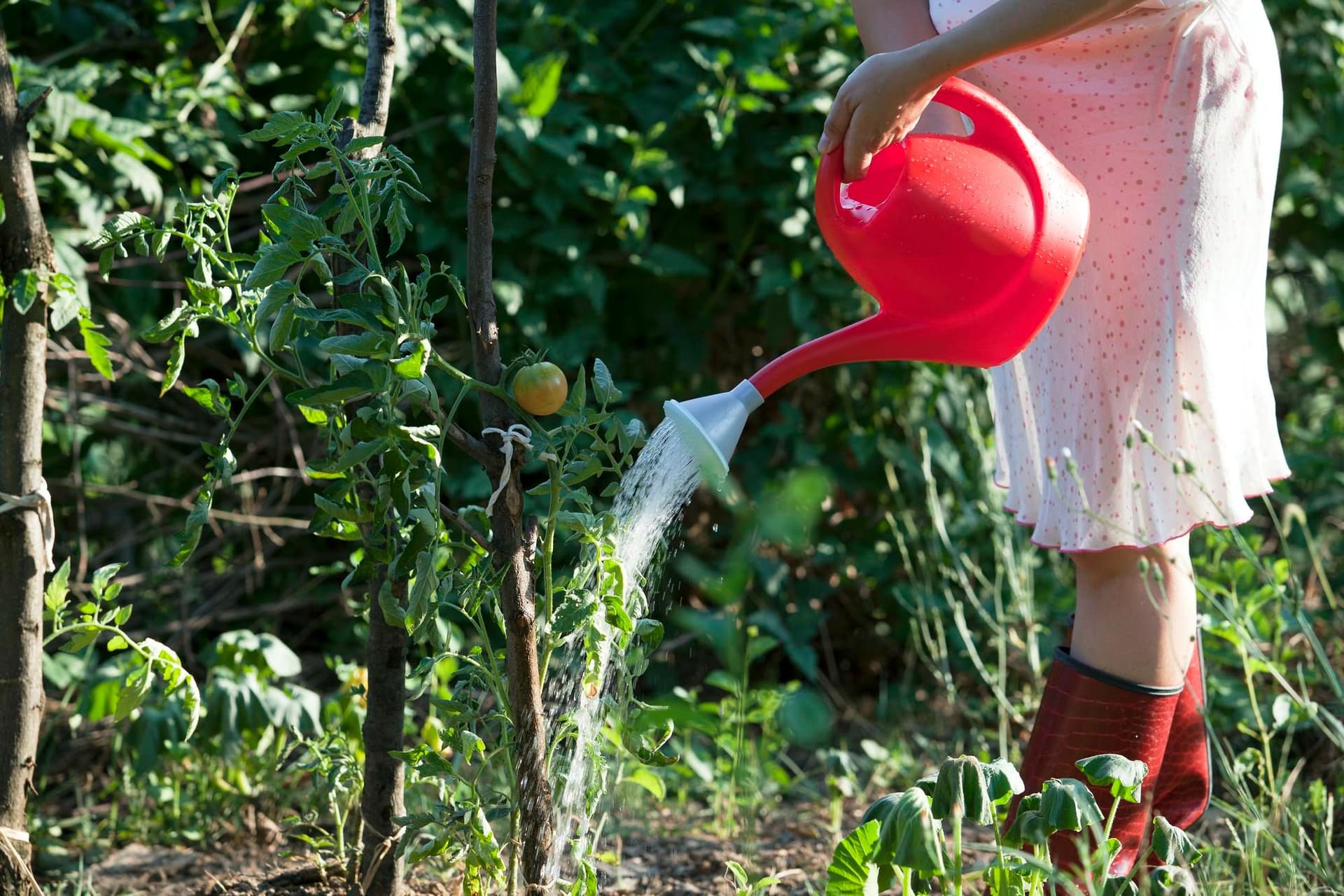
How Often to Water Fruit Trees

7 min read · 11 Aug 2026

How Often to Water Fruit Trees

Irrigation needs change as roots establish and weather shifts. This guide gives practical starting intervals, explains how soil and tree type change them, and shows how to recognize both excess moisture and drought stress.

Plant Care
How Often to Water Fruit Trees
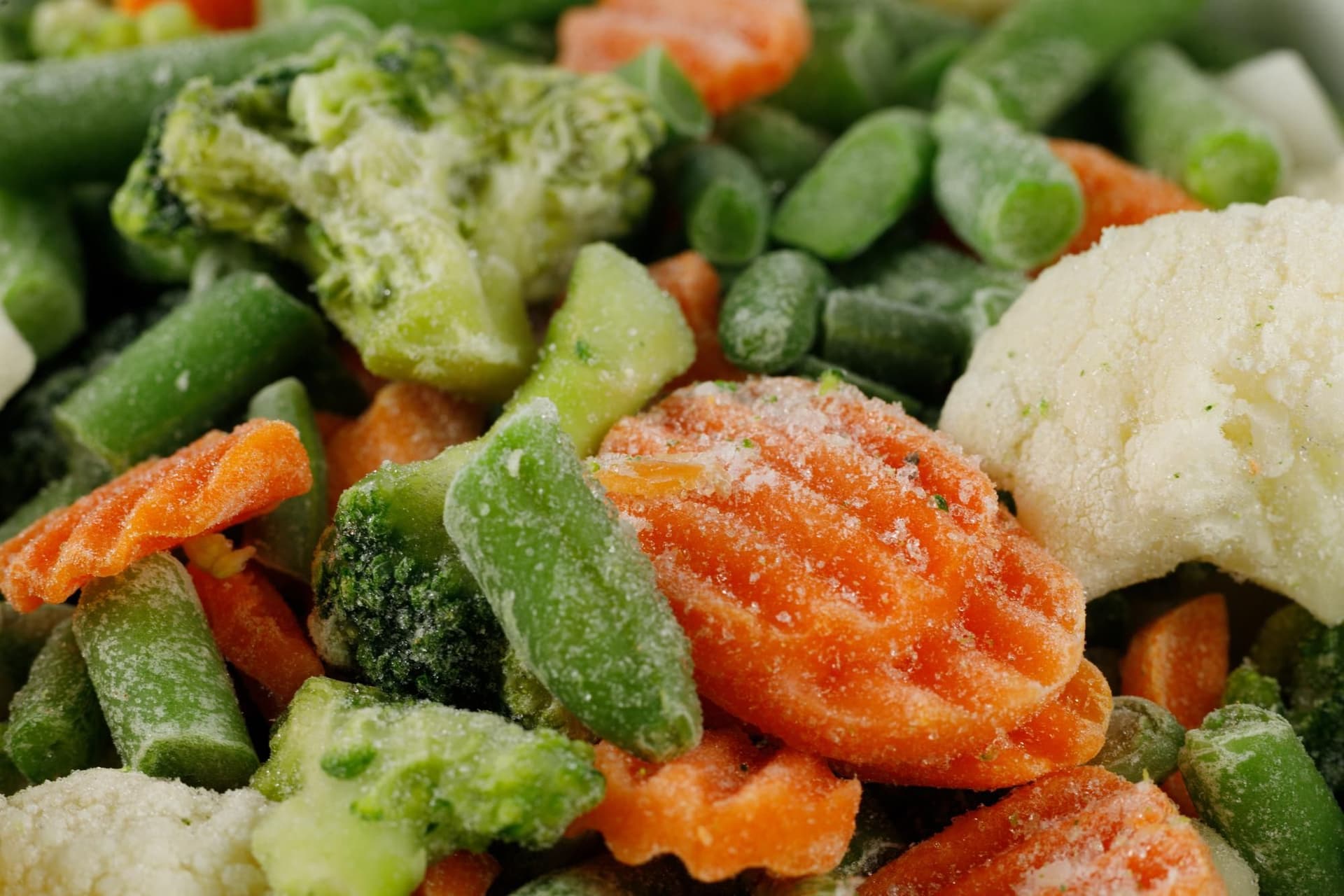
Frozen vs Fresh Vegetable Nutrients: Which Option Is Healthier?

6 min read · 8 Sept 2026

Frozen vs Fresh Vegetable Nutrients: Which Option Is Healthier?

Frozen and fresh vegetables are nutritionally comparable: frozen produce often retains vitamins just as well as fresh and may sometimes contain more. Here’s how blanching and storage affect nutrients—and when to choose each.

Plant Recommendations
Frozen vs Fresh Vegetable Nutrients: Which Option Is Healthier?