



Best Soil for Mini Monstera (Rhaphidophora tetrasperma)

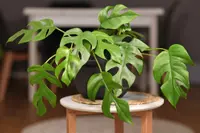
Rhaphidophora tetrasperma grows best in loose, organic soil with reliable drainage and a slightly acidic to near-neutral pH for healthy roots.

Soil Texture

Loamy, Peaty, Organic-rich

Soil pH

Acidic (5.5–6.5), Slightly acidic (6.5–7.0)

Soil Drainage

Moist but well-drained

Rhaphidophora tetrasperma Soil Guide

Native to southern Thailand and Malaysia, Rhaphidophora tetrasperma grows in warm, humid tropical forests, where roots stay lightly moist but still get air. That habitat explains why dense, heavy soil is a poor fit, while loose, organic-rich soil supports steadier moisture and oxygen around the roots.

The best soil for Mini Monstera feels airy and loamy, with enough peat-like organic matter to hold moisture without staying soggy. Its roots prefer a moist but well-drained substrate because they need both consistent hydration and open pore space for healthy gas exchange.

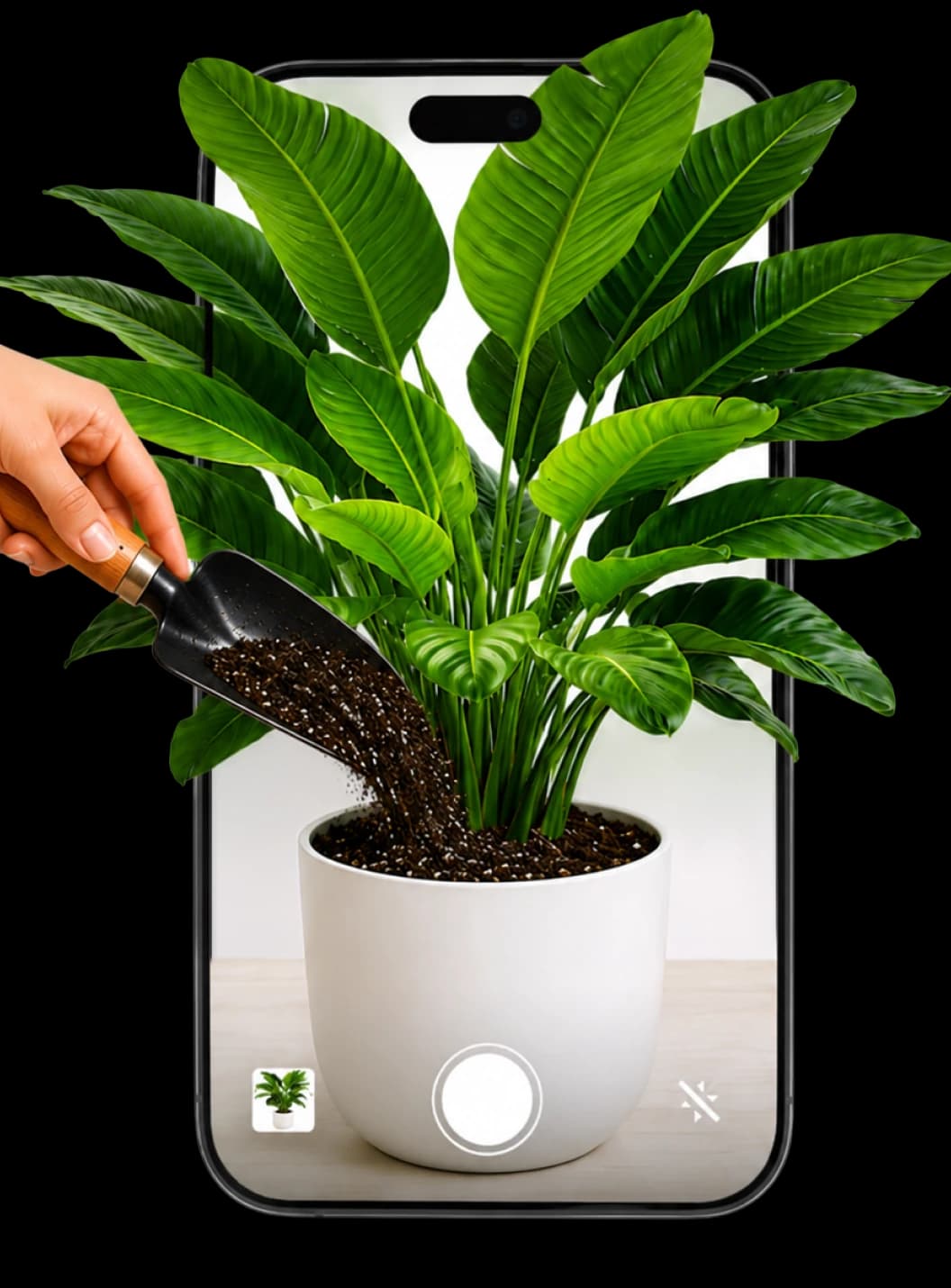
A custom mix helps balance airflow and moisture more precisely than many standard houseplant blends. For Rhaphidophora tetrasperma, aim for a soft, chunky texture that settles lightly around roots.

100% total mix = 20 scoops
15%
orchid bark3 scoops
20%
perlite or pumice4 scoops
30%
high-quality potting soil6 scoops
35%
peat moss or coco coir7 scoops

The finished blend should feel springy and open, hold light moisture, and let excess water pass through without staying dense.

A good target for Mini Monstera is about 5.5–7.0 pH, with slightly acidic soil usually offering the best nutrient availability. In that range, roots can take up key elements more efficiently without the medium becoming overly sharp or restrictive.

Rhaphidophora tetrasperma can handle a mildly acidic to near-neutral mix, but extreme swings may reduce access to nutrients even when they are present in the soil.

This species can react fairly quickly when the root zone stays stressed. Soil may be one factor worth checking if growth or leaf condition starts to shift.

Compacted mix:

Dense soil that stays tight after watering can limit root airflow; gently loosen the surface and consider replacing the medium if it no longer opens back up.

Staying wet too long:

A potting medium that remains soggy for days can stress roots; check drainage first and move the plant into a faster-draining setup if needed.

Dry pockets:

Peaty mixes sometimes repel water when very dry, causing uneven moisture; re-wet slowly and thoroughly so the root ball absorbs moisture again.

Salt buildup:

White crust on the soil surface or pot rim can point to accumulated minerals; scrape off the top layer and flush the mix with clean water.

Fungus gnats:

Small flies around Mini Monstera soil often show consistently damp organic matter; let the upper layer dry a bit more between moisture cycles and remove debris.

Get the Soil Right

Botan helps match this plant to a more suitable soil setup by combining care guidance with plant ID and problem checking.

FAQ

Yes. Drainage holes help excess water leave the pot, which keeps the root zone better aerated and lowers the risk of soggy conditions that can develop in a heavy Mini Monstera potting mix.

Everything About Mini Monstera

More Plant Soil Guides

See If Soil Is the Issue

If a plant looks off, Botan’s photo-based assessment can help identify whether soil conditions might be one part of the issue.

Botan app helping with soil and plant care
How Long Can Flowers Go Without Water? Everything You Need to Know

6 min read · 10 Jul 2026

How Long Can Flowers Go Without Water? Everything You Need to Know

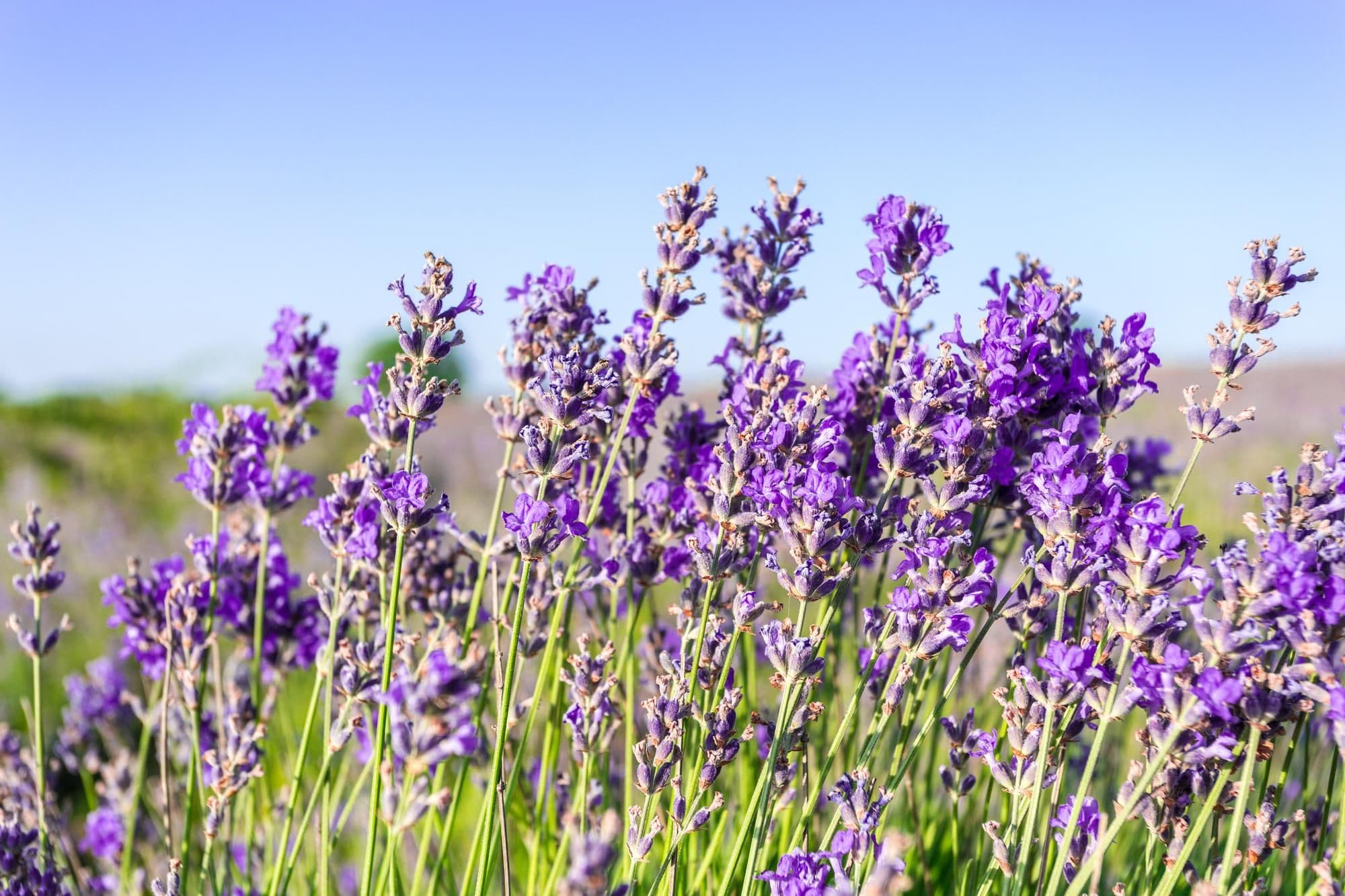
Flowers can survive without water anywhere from 1-2 hours to several months, depending on the plant type, species, and growing conditions. Some strong-looking flowers are drought-sensitive, while delicate-looking plants may tolerate long dry periods surprisingly well.

Plant Care
How Long Can Flowers Go Without Water? Everything You Need to Know
12 Best Plants That Repel Spiders For Your Home and Garden

8 min read · 24 Jul 2026

12 Best Plants That Repel Spiders For Your Home and Garden

Spiders constantly appear in places you don't want them. A few common plants can help repel them using scent alone. Here are 12 options suitable for both indoors and outdoors, plus care tips for each.

Plant Recommendations
12 Best Plants That Repel Spiders For Your Home and Garden
How to Use a Moisture Meter for Plants

5 min read · 4 Sept 2026

How to Use a Moisture Meter for Plants

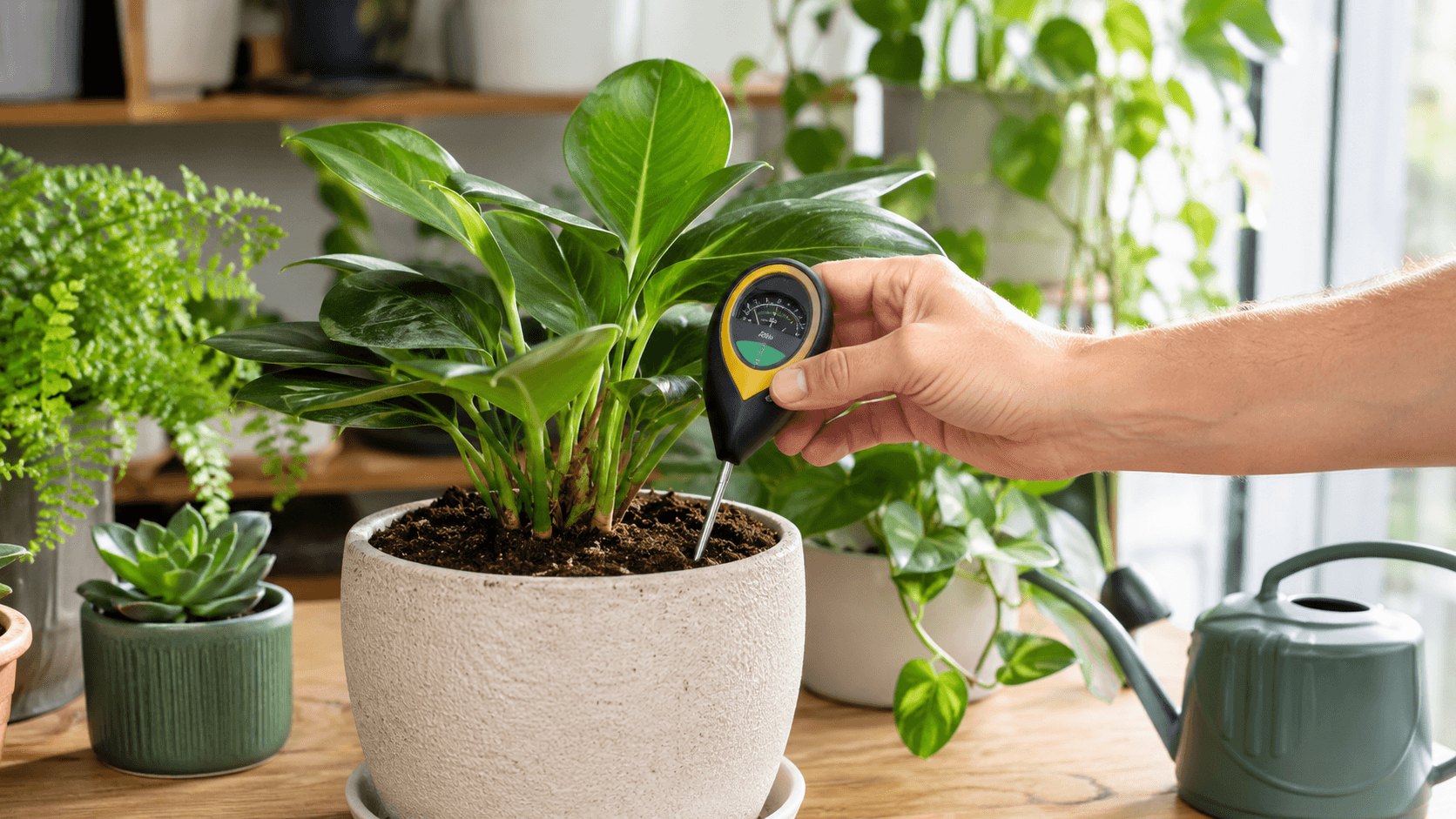
Watering by feel kills plenty of houseplants. A moisture meter checks the soil for you, and takes the guesswork out of it. This guide will show you how to use it correctly, from the first touch to the final reading.

Beginner Guides
How to Use a Moisture Meter for Plants