Planting Grass Seed in Summer – What Works and What Fails
Summer seeding succeeds when the grass type suits the season, and the soil stays moist. Find out how to prepare the seedbed and choose a safe window for planting.

On this page
- Can You Plant Grass Seed in Summer?
- Warm-Season Grass
- Cool-Season Grass
- Soil Preparation Before Seeding
- Soil Temperature and Moisture for Seed
- How Much Seed You Need
- How to Plant Grass Seed in Summer – 6 Steps
- How Much to Water New Grass Seed in Summer
- Protecting New Grass from Disease and Weeds
- First Mowing of New Lawn
- Why Summer Seeding Fails – 4 Common Mistakes
Planting grass seed in summer can work. However, be careful since heat makes moisture control unforgiving. Warm-season grasses usually handle the timing best. At the same time, cool-season seed needs milder conditions.
Can You Plant Grass Seed in Summer?
Summer seeding works when the grass type matches the soil temperature. Many warm-season grasses establish well once the soil reaches 18-21°C and daytime temperatures remain around 24-32°C. Cool-season grasses prefer soil between 10 and 18°C. Their growth slows sharply once the soil rises above 18°C.
During germination, the upper inch of soil must remain consistently moist for about 2-3 weeks. Therefore, midsummer is suitable for many warm-season lawns, while cool-season seeding is safer as temperatures begin to fall.
If you are starting a lawn from scratch, choose a grass type suited to your region and summer temperatures. If you are overseeding an existing lawn, use the grass ID tool to identify what is already growing there and select compatible seed.

Warm-Season Grass
Hot soil and long summer days create favorable conditions for active growth, which makes these grasses the most reliable choice for summer planting. They still need warm soil and reliable watering during germination.
- Bermuda grass
- Zoysia grass
- Centipede grass
- Bahia grass
- Buffalo grass
Like other fast-growing plants, some of these grasses spread quickly after they root. Still, keep traffic away until the turf feels anchored and resists a gentle tug.
Cool-Season Grass
Prolonged heat places young seedlings of this type under stress and causes the soil surface to dry much faster. In hot weather, their shallow new roots lose moisture quickly. Meanwhile, frequent watering can raise disease risk.
- Kentucky bluegrass
- Perennial ryegrass
- Tall fescue
- Fine fescue
Mid-summer seeding may work during a mild spell with irrigation, but it’s usually a rescue option. Late summer or early fall gives these grasses a safer start in many northern and transition-zone lawns.
Your Personalized Care Plan
Get personalized plant care recommendations in the app
Soil Preparation Before Seeding
Seed can’t establish well when it rests on dry thatch or hard ground. You should mow short enough to expose the surface. Then remove loose debris and excess thatch. Loosen the top 1-2 cm with a rake, and level any low spots.
Firm the surface lightly after raking. Seed-to-soil contact helps the seed absorb moisture without being buried too deeply. A starter fertilizer may help when a soil test or seed label supports it.
For warm-season turf, fertilizer for grass in summer should match the grass and soil results. If you apply extra nutrients to an already fertile seedbed, it may encourage weak growth or cause fertilizer burn.
If you’re wondering how to grow grass quickly in summer, start with preparation. Extra seed won’t fix a sealed or uneven seedbed.

Soil Temperature and Moisture for Seed
Grass seed responds to soil conditions. As a result, the afternoon air forecast can mislead. Push a soil thermometer 2-5 cm into the seedbed and check it in the morning.
Here are the approximate ranges you should use as starting points and adhere to the seed label and local guidance afterward:
Grass type | Minimum soil temperature | Best seeding window |
Bermuda grass | 18°C | Late spring through mid-summer |
Zoysia grass or centipede grass | 16°C | Late spring through early summer |
Tall fescue or fine fescue | 10°C | Late summer through early fall |
Kentucky bluegrass | 13°C | Late summer through early fall |
Perennial ryegrass | 10°C | Late summer through early fall |
Transition-zone mix | 13°C | Late summer, after extreme heat |
During germination, keep the surface evenly moist. It shouldn’t turn muddy or form a dry crust.
How Much Seed You Need
Too little seed leaves gaps where weeds can move in. Too much creates crowded seedlings that compete for water and airflow.
Here are the approximate rates for uncoated seed. However, you should always check the package before spreading.
Grass type | Approximate seeding rate per m² |
Bermuda grass or Zoysia grass | 5-10 g |
Centipedegrass | 1-2.5 g |
Tall fescue | 25-35 g |
Cool-season lawn blend | 15-35 g |
Coated seed contains less actual seed by weight, which may change the required amount. That is why you should measure the lawn area first and then divide the total seed into two equal passes for better coverage.
.jpg%3F2026-08-06T04%253A25%253A43.231Z&w=2880&q=75)
How to Plant Grass Seed in Summer – 6 Steps
Once the seedbed is ready, the planting itself should stay simple. You are highly advised to work during the cooler part of the day so the surface loses less water.
- Measure the area and weigh the seed at the label rate.
- Divide the seed in half for two crossing passes.
- Spread the first half in one direction.
- Spread the rest at a right angle to the first pass.
- Rake lightly so most seed touches soil but remains near the surface.
- Firm the area gently, then water with a fine spray.
Keep people and pets off the area afterwards. On top of that, inspect the surface several times a day during hot or windy weather.
How Much to Water New Grass Seed in Summer
New seed needs frequent, light watering because the upper soil layer dries first. The goal changes as roots grow, so don’t keep the same schedule for several weeks.
Stage | Watering frequency | Goal |
Days 1-7 | 2-4 light waterings daily | Keep the surface evenly moist |
Days 8-14 | 1-2 waterings daily, adjusted for weather | Move moisture slightly deeper without puddles |
After establishment | Every 2-3 days at first, then less often | Encourage deeper roots |
Keep in mind that watering is the biggest factor in whether summer seed survives.
Protecting New Grass from Disease and Weeds
Seeding grass in summer creates an awkward balance. Seedlings need moisture, while hot and wet conditions can encourage damping-off and other fungal problems.
Water in the morning and improve drainage. Don’t leave the surface soaked overnight. Also, don’t exceed the recommended seed rate because dense seedlings trap moisture.
Weeds can emerge faster than the new lawn. Remove young weeds by hand once the soil is firm enough to walk on. Wait until your shoes won’t leave dents.
Avoid a pre-emergent herbicide unless its label clearly says it’s safe at seeding. Many products also stop grass seed from germinating.
First Mowing of New Lawn
When growing grass in summer, mow by height instead of the calendar. For many lawn grasses, the first cut is ready when most seedlings reach about 8-10 cm. The soil should also feel firm, and the seedlings shouldn’t pull loose under gentle pressure.

Set the mower high enough to leave roughly 5-7 cm, unless the seed label gives a different height for that species. Never remove more than one-third of the blade in one cut. If you cut lower, this can reduce the leaf area that powers root growth.
Young grass still needs that energy below the soil. Use a sharp blade because a dull one pulls and tears soft seedlings. Mow when the grass is dry, then avoid heavy traffic for another few days.
Why Summer Seeding Fails – 4 Common Mistakes
Summer failures often begin before the first shoot appears. Heat speeds up evaporation, and a dry crust can form over the seedbed within hours. At the same time, weeds use the open soil quickly.
- The surface dries between waterings.
- A crust forms and blocks emerging shoots.
- Weeds shade or crowd the seedlings.
- Germinated seed dries before roots reach deeper moisture.
Another common mistake is to react with more seed. That creates crowding while you still have a moisture problem. Check the surface first. Then adjust watering or add a very light layer of mulch.
FAQ
Yes, planting grass in summer, specifically in July, can work for warm-season grass when the soil is warm and water is available. Cool-season seed is much riskier during peak heat, so late summer or early fall is usually the better window.
Alex Yar
Plant Expert
7+ years of experience studying plants, researching their diseases, and examining their characteristics.
Alex is a plant expert and writer with more than 7 years of experience studying plants, their growing requirements, and their responses to environmental conditions. His areas of expertise include plant care, disease recognition, stress diagnosis, pest-related problems, and the distinctive characteristics of different species.
Over the years, Alex has developed a strong practical understanding of how light, temperature, humidity, watering, soil conditions, and nutrition affect plant health. He combines careful observation with in-depth research to explain effective care and recovery methods.
Alex has extensive hands-on experience caring for houseplants. His articles translate complex botanical topics into clear guidance that helps you better understand your plants and recognize early warning signs.
Related Articles

5 min read · 28 Sept 2026
How to Winterize Your Garden in 6 Steps
Learn how to prepare your garden for winter with a practical six-step checklist covering cleanup, tender plant care, watering, mulching, winter protection, and winterizing equipment and containers.
6 min read · 15 Sept 2026
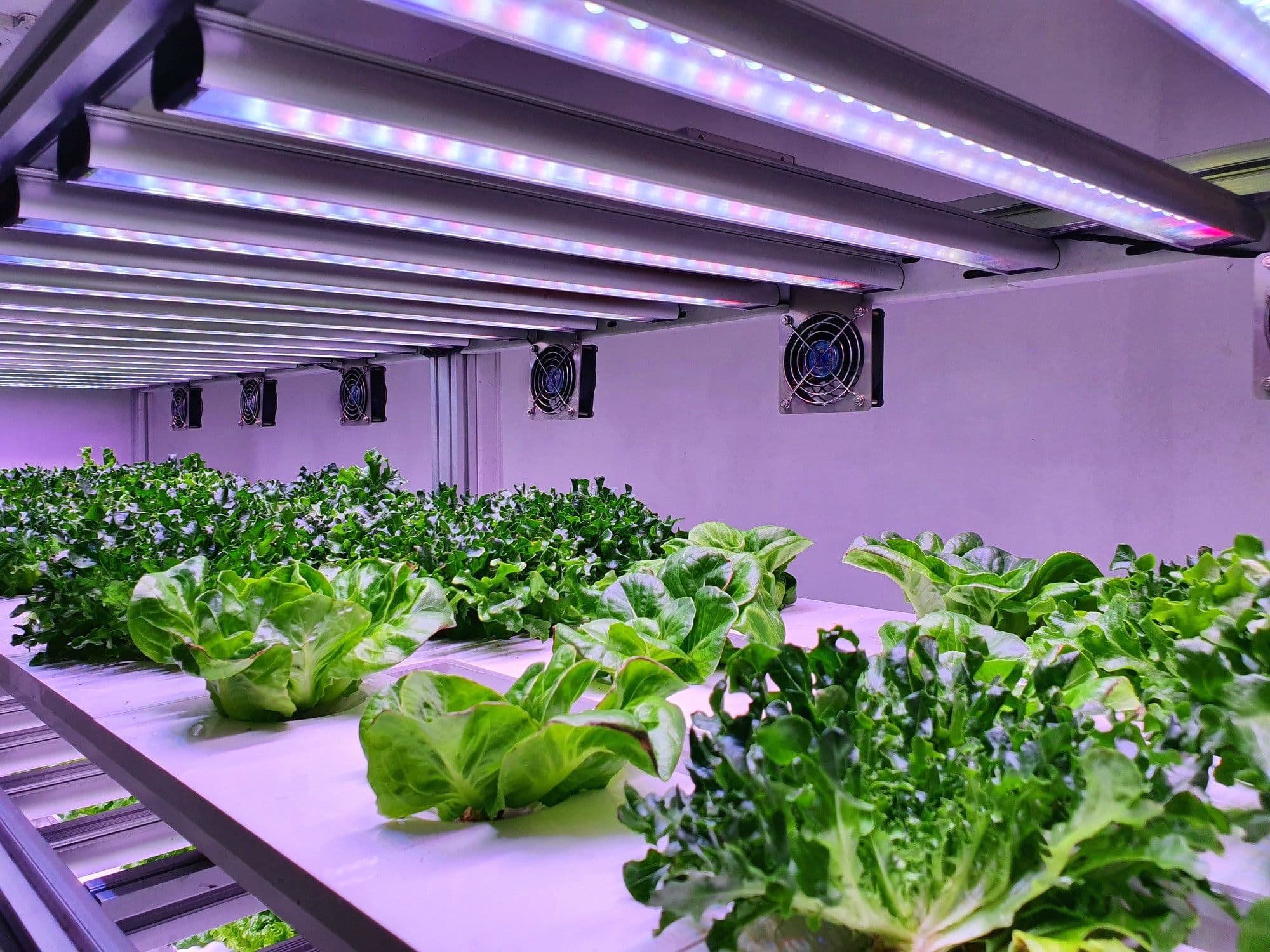
Can Plants Grow With Artificial Light?
Plants can grow under artificial light when the setup provides a suitable spectrum, enough intensity, and sufficient daily exposure. This guide explains how artificial lighting compares with sunlight, which options work indoors, and how to match a setup to houseplants.
4 min read · 14 Sept 2026
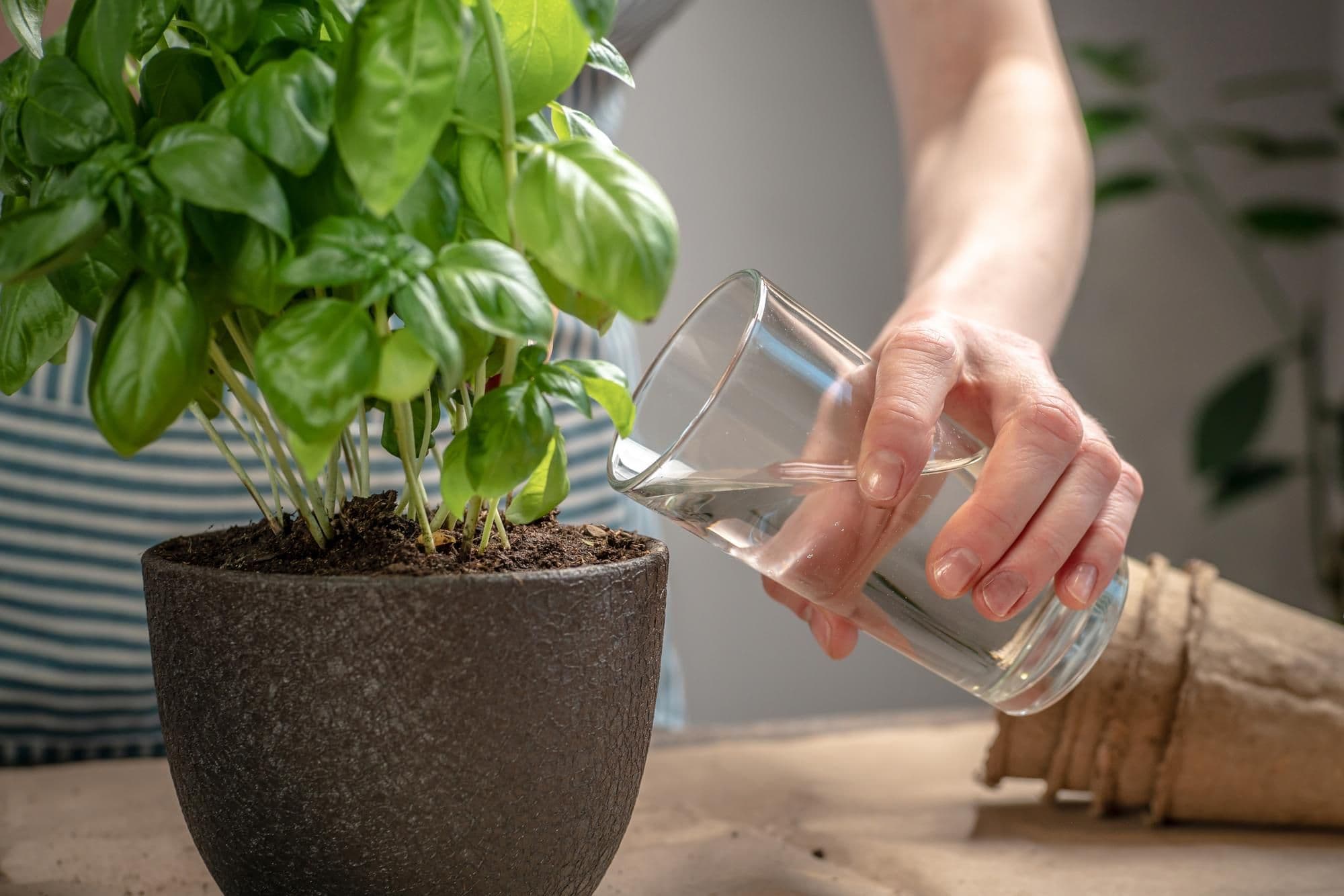
Is Sugar Water Good for Plants?
Sugar water may sound like an easy boost, but most rooted plants do not need extra sucrose. This guide explains how green tissues produce carbohydrates, when a sweetened solution can be useful, and why too much can cause problems.
Explore Plants by Care Needs



Identify the plant and problem. Help your plant recover
Identify plant problems early, understand what's wrong, and get clear care guidance. Botan helps you turn guesswork into confident plant care