cogongrass Care (Imperata cylindrica)

Also known as: Cottonwool Grass, Bladey Grass, Silver Spike, American Grass, Beady Grass, Bedding Grass, Ramsammy Grass, Riverfarm Grass, Susenke
cogongrass

About cogongrass

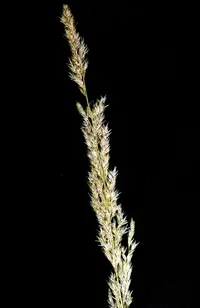
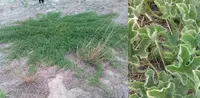
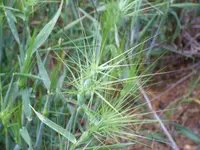
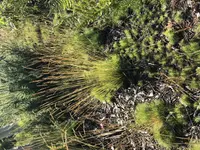
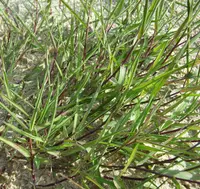
Imperata cylindrica, commonly called cogongrass, is a perennial grass known for its upright, blade-like leaves and strong spreading habit through rhizomes. In ornamental forms, such as some red-tinted cultivars, it can form striking clumps in garden borders. In the wild it is native to parts of Africa, Asia, and Australia, and has become invasive in many warm regions, including the southeastern United States. The species is hardy, drought-tolerant once established, and often competes aggressively with other plants, which affects how to care for cogongrass in managed landscapes. It generally prefers full sun, well-drained soil, and moderate moisture, but adapts to a wide range of conditions.

Main Plant Requirements

Care Difficulty

Moderate Care

Light Preference

Full Sun

Water Requirements

Moderate Water

Temperature Preference

Warm Climate

Hardiness Zone

5–9

Soil Texture

Sandy, Loamy, Clay

Soil pH

Acidic (5.5–6.5), Slightly acidic (6.5–7.0)

Soil Drainage

Moist but well-drained

Fertilization

Minimal (feed rarely)

Get Personalized Care Plan

Scan your plant to receive care tips personalized for your specific plant

Available on iOS and Android

How to Care for the cogongrass

Imperata cylindrica performs best in bright, open sites with stable light levels.

  • Provide 6–8 hours of direct sun daily; morning sun with light afternoon shade helps maintain strong color and dense growth.
  • It tolerates light or partial shade (3–4 hours sun), but foliage may green up and spread less vigorously, especially in summer.
  • In very hot regions, protect from harsh afternoon sun to reduce leaf scorch, and ensure plants are not shaded out by taller vegetation over time.

Imperata cylindrica prefers evenly moist but not boggy soil once established.

  • In the first growing season, water when the top 3–5 cm of soil feels dry, then reduce frequency as roots deepen.
  • Use well-drained soil; persistent puddling, yellowing leaves, or rotting bases indicate overwatering, while crisp tips and rolling leaves suggest drought stress.
  • In cool seasons and during dormancy, watering needs drop; rely on rainfall unless there are extended dry periods with no measurable moisture.

This warm-season grass thrives in mild to hot climates and slows down in cooler weather.

  • Optimal growth occurs around 70–90°F (21–32°C), when foliage elongates and spreads most actively.
  • Mature plants tolerate brief dips to about 20°F (-6°C), but repeated freezes can kill top growth and may damage crowns in poorly drained soil.
  • It copes with heat up to about 100°F (38°C) if soil moisture is adequate; hard frost or freeze-thaw cycles can cause browning and delayed spring regrowth.

Imperata cylindrica handles a wide humidity range and usually does not need special humidity management outdoors.

Imperata cylindrica prefers moderately fertile, well-structured soil that drains freely yet retains some moisture.

  • Use loamy or sandy soil with 20–30% compost to support consistent growth without waterlogging.
  • Aim for slightly acidic to neutral pH around 6.0–7.0 to keep nutrients available and roots healthy.
  • Improve drainage and aeration by blending in coarse sand or fine grit rather than water-retentive peat-heavy mixes.
  • Avoid compacted clay, constantly soggy sites, or saline soils, which restrict root oxygen and promote rot.

This species is suitable for container growing when the pot is chosen to control its spreading roots and moisture levels.

  • Choose a wide, heavy container to counterbalance its clumping, spreading habit and reduce tipping in wind.
  • Use a deep pot so rhizomes have room to expand downward rather than forcing lateral escape through drainage holes.
  • Select dense materials like ceramic or thick plastic to stabilize the plant and slow rapid moisture loss in hot conditions.

Imperata cylindrica grown in average garden soil needs only light, targeted feeding to maintain color and vigor.

  • Apply a balanced slow-release fertilizer (around 10-10-10) at half strength once in early spring as new growth starts.
  • In poor soils, supplement with a thin layer of compost around the root zone, keeping it off the crowns.
  • Avoid additional feeding in late summer to prevent soft growth before cold weather.
  • Do not fertilize in winter; caring for cogongrass then focuses on monitoring moisture, not nutrients.

Imperata cylindrica benefits from simple, seasonal pruning to keep clumps tidy and healthy.

  • Cut back old foliage to 5–8 cm above the ground in late winter or very early spring before new shoots emerge.
  • Remove dead, damaged, or flattened leaves during the growing season using clean, sharp shears.
  • Thin congested clumps by removing entire older stems at the base to maintain shape and airflow.
  • Discard seed heads if unwanted spread is a concern, especially in mild climates.

This grass is more often transplanted in the garden than kept long term in containers.

  • Plan division or transplanting of Imperata cylindrica in early spring or early fall when temperatures are mild.
  • Look for dense, woody centers, crowded clumps, or roots circling a pot as signs the plant needs lifting and resetting.
  • Dig widely around the clump, preserve as many roots as possible, and replant at the same depth in well-drained soil.
  • Water thoroughly after transplanting, then keep soil evenly moist for 1–2 weeks to limit transplant shock.

Imperata cylindrica is most reliably propagated by division rather than seed in garden settings.

  • Divide established clumps in early spring or early fall when plants are actively rooting but not stressed by heat.
  • Lift the clump and use a sharp spade or knife to separate sections, each with several shoots and healthy roots.
  • Replant divisions promptly at the original depth in moist, well-drained soil, spacing to allow future spread.
  • Keep newly divided plants evenly moist and shaded from intense midday sun until new growth is clearly established.

Imperata cylindrica is generally hardy in mild to moderate winters but benefits from light protection in colder regions.

  • In zones near the plant’s hardiness limit, apply a 5–8 cm mulch layer over the root zone after the first hard frost.
  • Leave dried foliage standing through winter in colder climates to insulate crowns, cutting it back in late winter.
  • For container-grown plants in cold areas, move pots to a sheltered, unheated but frost-sheltered spot.

Care Tips

Contain Spreading Rhizomes

Install a 30–40 cm deep root barrier around planting areas to prevent aggressive rhizomes from escaping into lawns or natural areas and becoming invasive.

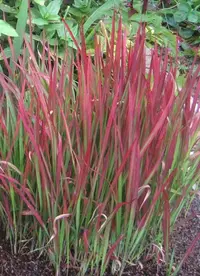
Use Clump-Forming Cultivars

Choose ornamental red-leaf cultivars like Imperata cylindrica 'Red Baron' and plant them in isolated beds or large containers to reduce the risk of unwanted spread while still enjoying the foliage display.

Divide With Precision

Divide mature clumps in early spring using a sharp spade, discarding any weak or damaged rhizomes and replanting only firm, healthy sections to maintain vigorous growth and controlled clump size.

Deadhead To Limit Seed

Remove flower heads before seeds mature, especially near natural areas, to reduce self-seeding and help prevent this grass from spreading beyond its intended site.

Secure Disposal Practices

Bag and dispose of all removed rhizomes and seed heads with household trash rather than composting, since small living fragments can re-root and complicate caring for cogongrass in a controlled landscape.

Common Pests and Diseases

Stem borers

This pest tunnels into culms and leaf sheaths, causing dead tillers, hollow stems, and patchy dieback in cogongrass stands.

Solution

Remove and destroy heavily infested clumps to break the life cycle, then mow or cut back remaining growth to reduce shelter for larvae; in field situations, coordinated timing of mowing and, where legal and appropriate, a contact insecticide targeted at young larvae can help limit damage, while maintaining vigorous, well‑spaced stands reduces susceptibility.

Leaf spot

This disease produces small brown or purplish lesions along the blades that can merge into larger blighted areas, reducing photosynthetic leaf area.

Solution

Cut and dispose of affected foliage to lower the source of infection, avoid overhead irrigation, and improve spacing and airflow; in larger landscape or pasture settings, rotating or thinning dense patches and using a labeled foliar fungicide only if outbreaks are severe will generally keep the disease in check.

Rust

Symptoms include orange to brown powdery pustules on leaf surfaces, sometimes leading to yellowing and premature leaf death in humid conditions.

Solution

Remove and discard rust‑covered leaves, reduce humidity around plantings by improving air movement, and avoid prolonged leaf wetness; in agricultural or large landscape uses, resistant or better‑adapted grass species are often preferred, but if rust must be controlled on existing stands, a targeted grass rust fungicide used according to label directions can help.

Fusarium wilt

This disease can infect roots and lower stems, causing gradual yellowing, stunting, and collapse of individual clumps, especially on stressed or compacted soils.

Solution

Dig out and destroy symptomatic clumps including as much root mass as possible, avoid replanting cogongrass in the same spot, and improve soil drainage and structure; in production or research plots, crop rotation with non‑grass species and strict sanitation of tools and machinery reduce the spread of Fusarium inoculum.

Nematode damage

These microscopic roundworms feed on roots, leading to poor root systems, reduced vigor, and patchy thinning of stands, particularly on sandy soils.

Solution

Remove and destroy severely affected patches, avoid moving contaminated soil or plant material, and if feasible rotate infested areas into broadleaf cover crops or fallow periods to lower nematode populations; in managed plantings, maintaining soil organic matter and reducing compaction can help support root recovery and overall Imperata cylindrica care.

Interesting Facts

Highly flammable foliage

The dry leaves form a dense thatch that ignites very easily, helping this grass survive and even spread after wildfires by quickly resprouting from its underground rhizomes.

Aggressive rhizome network

It develops a deep, fibrous rhizome system that can extend laterally over several meters, allowing it to dominate disturbed soils and making control difficult once established.

Global invasive status

In many warm regions, including the southeastern US, this species is classified as a serious invasive weed that displaces native vegetation and alters fire regimes.

Botan icon

Did you know?

In several Asian countries, the tough, fibrous leaves of this grass have traditionally been used as thatching material for roofs and for weaving mats and other simple household items, taking advantage of their durability and resistance to decay.

FAQs about cogongrass

This species is highly invasive in many warm regions. It spreads by creeping rhizomes and wind-blown seed, quickly forming dense, monoculture stands that displace native vegetation. Always check local regulations before planting or moving it.

Grow Healthy Plants with Botan Care

Keep your plants happy and healthy with plant identification, disease detection, and easy care guidance.

Botan plant care app — identify plants on mobile

Explore More Plants