Edge Containment
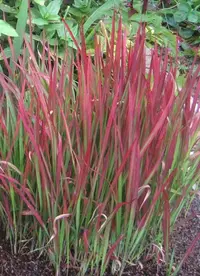
Install a shallow plastic or metal edging 5–8 cm deep around planting areas to stop rhizomes from creeping into lawns or beds where the sedge is not wanted.

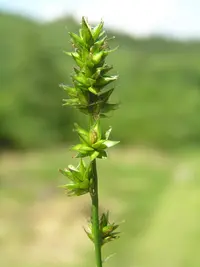
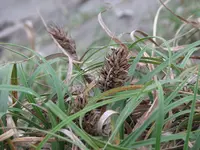
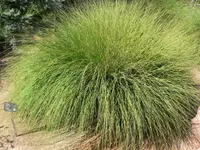
Grassland sedge, Carex leersii, is a clump-forming perennial grass-like plant from the sedge family. It is evergreen or semi-evergreen in mild climates and keeps a neat, fine-textured look.
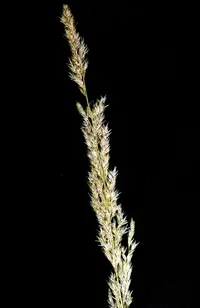
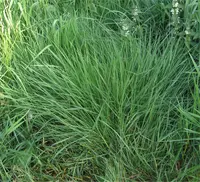
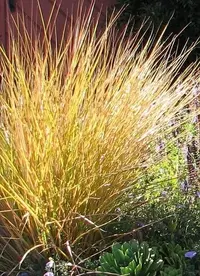
It typically forms loose tufts with narrow, arching leaves and unobtrusive flower spikes that add texture rather than showy color. Plants spread slowly, often creating soft, natural-looking groundcover.
In the wild, Carex leersii grows in open woodlands, meadows, and grasslands across parts of Europe and western Asia, usually in moderately moist but well-drained soils.
Its adaptability to different soils and light levels makes it relatively straightforward to care for Grassland Sedge, provided the site does not stay very dry for long periods.

Care Difficulty
Easy Care

Light Preference
Partial Shade

Water Requirements
Regular Water

Temperature Preference
Cold Hardy

Hardiness Zone
5–8

Soil Texture
Loamy, Silty, Organic-rich

Soil pH
Acidic (5.5–6.5), Slightly acidic (6.5–7.0)

Soil Drainage
Moist but well-drained

Fertilization
Minimal (feed rarely)
Scan your plant to receive care tips personalized for your specific plant
Available on iOS and Android
This grass prefers bright, open conditions with some protection from harsh afternoon sun.
Carex leersii prefers consistently moist but not waterlogged soil.
This cool-season sedge is hardy and tolerates a wide temperature range in temperate climates.
This sedge handles a wide range of outdoor humidity and rarely needs special humidity management.
This species prefers moist, moderately fertile, well-drained mineral soil for steady growth.
This sedge grows reliably in containers when moisture and stability are managed carefully.
Carex leersii usually needs only light feeding, especially when grown in reasonably fertile soil.
Carex leersii responds well to light pruning that keeps the clump tidy and supports fresh growth.
This sedge is more often transplanted in the garden than grown long term in containers.
Carex leersii is most reliably propagated by division of established clumps.
This sedge is generally cold hardy and needs only minimal winter care in most temperate climates.

Plant Health Check
Not sure what's wrong with your plant? Check your plant's health inside the app.
Carex leersii naturally favors base‑rich, often calcareous substrates such as limestone and chalk, which distinguishes it from many woodland sedges that prefer more acidic soils.
This species is strongly associated with light to moderately shaded woodlands and scrub, where it forms loose tufts in filtered light rather than in open, sun‑exposed grasslands.
Carex leersii commonly hybridizes with closely related sedges such as Carex divulsa, and these hybrids are used by field botanists to help clarify the limits and identification characters of the species in complex sedge groups.
This species forms clumps and spreads slowly by short rhizomes. It can gently widen over time but is not considered aggressive. In most gardens it stays manageable and rarely needs containment edging or barriers.
Keep your plants happy and healthy with plant identification, disease detection, and easy care guidance.