hop sedge Care (Carex lupulina)

hop sedge

About hop sedge

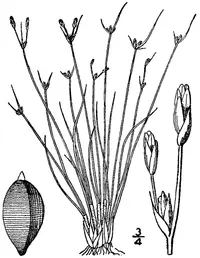
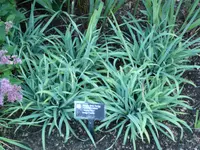
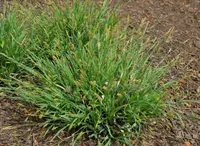
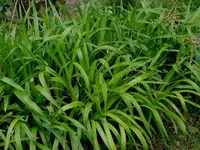
Hop sedge, Carex lupulina, is a clumping, moisture-loving perennial sedge native to wetlands, stream banks, and low woods in eastern North America. It forms dense tufts of bright to medium green, grass-like leaves.

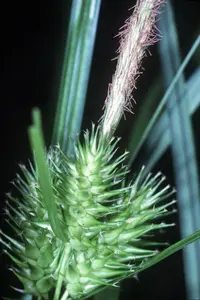
The plant is easily recognized by its arching foliage and distinctive, hop-like seed spikes that appear on nodding stems in summer. It spreads slowly by short rhizomes, creating stable groundcover in consistently damp sites.

This species suits naturalistic gardens, rain gardens, and restoration plantings where soil stays moist and light ranges from partial shade to full sun. Its tolerance of periodic flooding and low-maintenance habit makes it relatively simple to care for hop sedge in suitable conditions.

Main Plant Requirements

Care Difficulty

Easy Care

Light Preference

Partial Shade

Water Requirements

Aquatic

Temperature Preference

Cold Hardy

Hardiness Zone

4–9

Soil Texture

Loamy, Silty, Organic-rich

Soil pH

Acidic (5.5–6.5), Slightly acidic (6.5–7.0)

Soil Drainage

Waterlogged tolerant

Fertilization

Minimal (feed rarely)

Get Personalized Care Plan

Scan your plant to receive care tips personalized for your specific plant

Available on iOS and Android

How to Care for the hop sedge

This wetland sedge prefers bright conditions with protection from harsh midday sun.

  • Provide 3–6 hours of morning sun or light filtered sun; dappled shade under open trees suits hop sedge well.
  • Allow partial shade, especially in hot climates; aim for brighter exposure in cool northern areas and more shade in the South.
  • Watch leaves for stress: pale, floppy growth indicates too little light, while browned tips or scorched patches suggest excess direct afternoon sun.

This species naturally grows along streams and ponds, so it prefers consistently moist soil.

  • Keep soil evenly moist to wet, never letting more than the top 1–2 cm dry; in saturated sites, ensure slow-moving rather than stagnant water.
  • In spring and summer, increase watering during dry spells so the root zone does not dry out; reduce slightly in fall and winter while avoiding complete dryness.
  • Watch for stress: yellowing, limp leaves and dry tips suggest underwatering, while foul odor and blackened, mushy roots indicate poor drainage and overwatering in Carex lupulina.

This cool- to mild-climate sedge tolerates a wide range of outdoor temperatures.

  • Aim for active growth in 60–75°F (16–24°C); plants handle brief summer heat up to about 90°F (32°C) if soil stays consistently moist.
  • In winter, established clumps tolerate lows near 0°F (-18°C) when planted in the ground, dying back above soil while roots survive.
  • Young plants benefit from protection from sudden hard frosts and hot, drying winds; mulch helps buffer root temperatures through seasonal swings.

This wetland sedge prefers consistently moist air but mainly relies on ample soil moisture rather than high ambient humidity.

  • Target 50–70% humidity, as found near ponds or streams, while prioritizing evenly damp soil over atmospheric humidity control.
  • It tolerates brief drier air if the root zone never dries out completely and the plant is not exposed to hot, drying winds.
  • Wilting tips, browning leaf edges, and rapid soil drying indicate moisture stress; group hop sedge with other plants or place near a water feature to slightly raise humidity.

This species thrives in saturated, organic-rich soils that mimic natural wetland margins.

  • Use a heavy loam with 40–60% organic matter such as compost and leaf mold to hold water while still allowing some air pockets.
  • Aim for slow-draining conditions; line the bottom of outdoor containers or planting areas with a moisture-retentive layer of clayey soil or fine-textured topsoil.
  • Slightly acidic to neutral pH (6.0–7.0) supports nutrient uptake and root health in Carex lupulina plant care.
  • Avoid sandy or sharply draining mixes; if soil dries too quickly, blend in extra compost and fine coconut coir to increase water retention and reduce aeration.

This sedge can grow in containers if the pot is managed to stay consistently wet without turning anaerobic.

  • Choose a wide, relatively deep container so spreading roots and clumping shoots have room and the water column stays stable.
  • Use a sturdy, heavy pot material such as ceramic to keep the container from tipping when foliage becomes tall and dense.
  • Set the container in a shallow water tray or saucer outdoors, keeping water just below the soil surface to maintain saturation without covering the crown.

Carex lupulina thrives in moderately fertile, moist soil and usually needs only light feeding in managed plantings.

  • Use a balanced, slow-release fertilizer (for example 10-10-10) or a thin layer of compost in early spring to support new growth.
  • Apply fertilizer once per growing season for in-ground clumps; container plants may benefit from a second light application in midsummer.
  • Reduce or skip feeding in fall and winter when growth slows or stops, especially in cold climates.
  • Use fertilizers at half the label strength to avoid leaf burn, and water thoroughly after application to distribute nutrients.

Pruning Carex lupulina is straightforward and mainly focuses on tidying and renewing growth.

  • Cut back dead or winter-burned foliage in late winter or very early spring before new shoots emerge.
  • Remove damaged, diseased, or badly tattered leaves at any time using clean, sharp hand pruners or scissors.
  • Thin out crowded, older clumps every few years to keep a balanced shape and encourage vigorous new shoots.
  • Avoid cutting into the crown; leave 5–8 cm of stubble to protect growing points at the base.

Hop sedge is most often grown in the ground and benefits from occasional division or transplanting when clumps become crowded.

  • Look for signs such as slow growth, thinning centers, or roots circling inside containers as indicators that transplanting or division is needed.
  • Plan major transplanting or division for early spring or early fall, when soil is moist and temperatures are mild.
  • Expect to move or divide established clumps every 3–5 years to maintain vigor and manage spread in garden beds or rain gardens.
  • Dig widely around the root mass, keep roots evenly moist, and replant at the same depth to reduce stress, then water thoroughly for several weeks.

Propagation of Carex lupulina is commonly done by division, with seed used when establishing larger naturalized areas.

  • Divide mature clumps in early spring or early fall, when temperatures are cool and soil moisture is high.
  • Lift the clump, then split it into smaller sections with several shoots and healthy roots using a sharp knife or spade.
  • Replant divisions immediately at the same depth in consistently moist soil, spacing them to allow for mature spread.
  • For seed propagation, sow fresh seed in fall outdoors or use cold stratification, then provide even moisture and light for germination.

Carex lupulina is cold hardy in much of the US and usually needs minimal winter care in the ground.

  • In colder regions, leave faded foliage in place through winter to shelter the crown, cutting it back in late winter.
  • Apply a 5–7 cm layer of mulch around the root zone in late fall to moderate soil temperature and retain moisture.
  • For container-grown plants in very cold areas, move pots to a sheltered, unheated but frost-free or slightly protected location.

Care Tips

Control Rhizome Spread

Install a root barrier 20–30 cm deep or plant in a large pond basket before establishment to prevent this sedge from spreading aggressively into adjacent beds or turf.

Use As Erosion Control

On stream banks or wet ditches, plant in staggered rows 30–45 cm apart to create a dense root mat that stabilizes soil and slows water flow.

Manage Self-Seeding

If you do not want volunteer seedlings, cut and remove the seed heads as they turn brown, before they fully dry and shatter.

Divide In Saturated Soil

When lifting and dividing clumps, water the area thoroughly or work after rain so the saturated soil allows cleaner division with less root damage.

Encourage Wildlife Habitat

Leave some mature seed spikes on plants near ponds or wetlands over winter to provide food and cover for birds and aquatic wildlife while growing hop sedge in naturalized areas.

Common Pests and Diseases

Rust fungus

This disease causes orange to brown powdery pustules on leaves and stems, often appearing in moist, shaded plantings or dense stands. Symptoms include yellowing and early dieback of affected foliage.

Solution

Remove and discard heavily infected leaves to reduce spore levels, and avoid overhead watering so foliage dries quickly. Improve spacing and air movement through clump division or thinning, and if rust recurs in high-value plantings, apply a labeled sulfur or chlorothalonil fungicide according to local guidelines.

Leaf spot

This disease produces small, water-soaked or brown lesions on blades that may merge into larger dead patches, especially during warm, wet weather. Symptoms include thinning clumps and a patchy, scorched look to the foliage.

Solution

Trim and dispose of affected foliage to remove inoculum, and irrigate at the soil level rather than wetting the leaves. Improve airflow by reducing overcrowding, and in persistent cases use a grass-safe fungicide labeled for leaf spots on ornamental sedges as part of broader Carex lupulina care.

Sedge moth larvae

This pest feeds on foliage, with larvae chewing irregular notches or window-like patches in the blades. Symptoms include ragged leaves and, in heavier infestations, slowed growth of the clump.

Solution

Handpick larvae where feasible and dispose of them, and encourage local predators by keeping the area ecologically diverse. For larger populations, use targeted treatments such as Bacillus thuringiensis (Bt) formulated for caterpillars, applied in the evening when larvae are actively feeding.

Aphids

These insects cluster on young shoots and leaf bases, sucking sap and causing leaf curling or slight yellowing, especially on nutrient-rich or stressed plants. This pest also excretes sticky honeydew that can attract sooty mold on nearby surfaces.

Solution

Spray the foliage with a firm stream of water to dislodge colonies, and repeat as needed during the season. If populations remain high, apply insecticidal soap or a light horticultural oil, coating both sides of the leaves while avoiding treatments during high heat or full midday sun.

Interesting Facts

Specialist wetland sedge

This species is strongly associated with mucky, slow-moving waters and is a reliable indicator of intact, saturated floodplain and marsh habitats in much of eastern North America.

Distinctive bottlebrush spikes

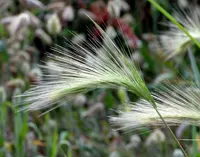
Its flowering and fruiting spikes form dense, bottlebrush-like clusters of inflated perigynia (sac-like structures around the seeds) that give the plant a very recognizable, brushy appearance along streams and pond margins.

Wildlife shelter and nursery

The dense clumps and arching leaves provide cover for amphibians and invertebrates, and the plant’s root mass stabilizes soft shorelines, creating microhabitats for aquatic organisms.

Botan icon

Did you know?

Carex lupulina often hybridizes with a closely related sedge, Carex hystericina, where their ranges and habitats overlap, and these natural hybrids can show intermediate features that make accurate field identification challenging even for experienced botanists.

FAQs about hop sedge

This species spreads steadily by short rhizomes and self-seeding, forming dense clumps over time. In garden settings it is usually manageable, but seed heads can be removed if unwanted volunteers appear beyond the intended planting area.

Grow Healthy Plants with Botan Care

Keep your plants happy and healthy with plant identification, disease detection, and easy care guidance.

Botan plant care app — identify plants on mobile

Explore More Plants