Divide Aging Clumps
Every 3–4 years, lift and divide crowded clumps in early spring or early fall, replanting healthy outer sections at the same depth to keep plants vigorous and prevent center die-out when growing broad looseflower sedge.

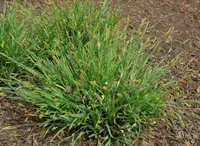
Broad looseflower sedge (Carex laxiflora) is a clump-forming, perennial sedge native to woodlands and shaded slopes in eastern North America. It resembles a fine, grassy plant but is botanically closer to sedges than to true grasses.
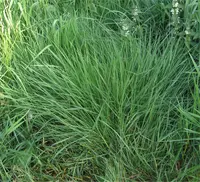
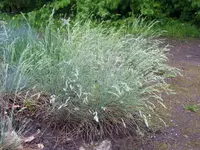
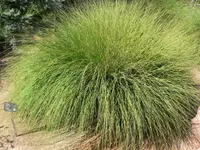
It usually forms low, arching tufts with narrow, rich green leaves and loose, airy flower spikes held above the foliage in spring. This species is often used in naturalistic plantings, shade gardens, and erosion control in moist, humus-rich soils.
It adapts well to part shade and consistent moisture, which makes it relatively low-maintenance once established. Gardeners who learn how to care for broad looseflower sedge often find it a reliable groundcover in woodland-style plantings.

Care Difficulty
Easy Care

Light Preference
Partial Shade

Water Requirements
Moderate Water

Temperature Preference
Cold Hardy

Hardiness Zone
3–8

Soil Texture
Loamy, Silty, Organic-rich

Soil pH
Acidic (5.5–6.5), Slightly acidic (6.5–7.0)

Soil Drainage
Moist but well-drained

Fertilization
Minimal (feed rarely)
Scan your plant to receive care tips personalized for your specific plant
Available on iOS and Android
This woodland sedge prefers bright shade conditions that mimic its natural forest habitat.
This sedge prefers consistently moist soil but not long-term waterlogging.
This hardy sedge tolerates a wide temperature range typical of temperate outdoor gardens.
This sedge handles a wide humidity range but benefits from moderate moisture in the air.
This species prefers consistently moist, loose, organic-rich soil that still drains freely.
This sedge can grow successfully in containers outdoors if moisture and stability are managed.
Carex laxiflora is a woodland sedge that needs only light feeding in most garden soils.
Carex laxiflora benefits from occasional cleanup to maintain a dense, tidy clump.
This woodland sedge is usually grown in the ground, with transplanting more common than repotting.
Carex laxiflora is most often propagated by division, which keeps plants true to type.
Carex laxiflora is generally cold hardy and needs minimal winter care in most temperate climates.

Plant Health Check
Not sure what's wrong with your plant? Check your plant's health inside the app.
This sedge is consistently associated with rich, deciduous hardwood forests in eastern North America, so its presence often indicates relatively undisturbed, mesic woodland habitat with good soil organic matter.
Unlike many sedges with tight flower clusters, this species has characteristically lax, drooping spikes in which the female flowers are loosely spaced, a feature that inspired its common name broad looseflower sedge.
Its seeds and foliage provide food and cover for small forest animals and invertebrates, making it a modest but stable component of forest-floor food webs across much of its native range.
This species spreads slowly by short rhizomes and seeding, forming loose clumps rather than dense, choking mats. It usually coexists well with other shade perennials and groundcovers and is not considered aggressively spreading in managed gardens.
Keep your plants happy and healthy with plant identification, disease detection, and easy care guidance.