Mulch For Cool Roots
Apply a 3–5 cm layer of fine bark or leaf mold around clumps to keep roots cool, suppress weeds, and stabilize moisture without burying the crown.

-200x150.webp)
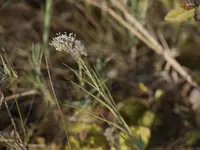
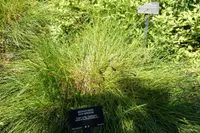
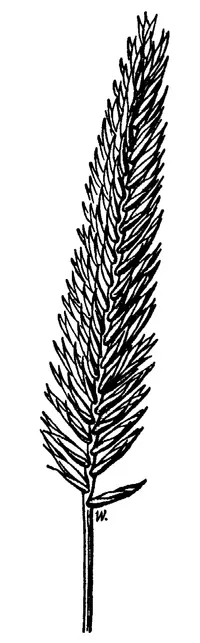
Twotipped sedge (Carex lachenalii) is a small, tufted perennial sedge typically found in cool, moist habitats. It forms fine grassy clumps with narrow leaves and slender flowering stems.
This species naturally occurs in northern regions, often in bogs, wet meadows, and tundra-like areas. It is valued in gardens for a naturalistic, meadow-style look and its tolerance of cool, damp conditions.
Twotipped sedge is generally undemanding once established, provided the soil stays consistently moist and does not dry out for long periods. Light to moderate shade and humus-rich, well-drained soil usually suit it well, which simplifies how to care for twotipped sedge in temperate climates.

Care Difficulty
Moderate Care

Light Preference
Partial Sun

Water Requirements
Keep Soil Moist

Temperature Preference
Cold Hardy

Hardiness Zone
3–7

Soil Texture
Loamy, Peaty, Organic-rich

Soil pH
Strongly acidic (4.5–5.5), Acidic (5.5–6.5)

Soil Drainage
Moist but well-drained

Fertilization
Minimal (feed rarely)
Scan your plant to receive care tips personalized for your specific plant
Available on iOS and Android
This cool-climate sedge prefers soft, consistent light that mimics open, northern wetlands.
This species favors consistently moist conditions and does not tolerate prolonged drying.
This sedge is adapted to cool, northern climates and handles cold better than heat.
This sedge prefers steady, moderate humidity but adapts to typical outdoor conditions in most temperate gardens.
Carex lachenalii thrives in consistently moist, cool soils that are rich in organic matter and never allowed to dry out completely.
This species can be grown in containers if moisture and stability are carefully managed.
Carex lachenalii is a low-nutrient sedge that usually needs only minimal feeding, especially in naturalistic or meadow-style plantings.
Carex lachenalii benefits from light, periodic clean-up rather than heavy structural pruning.
This sedge is more often transplanted in the ground than repotted, but container-grown plants sometimes need attention.
Carex lachenalii is most commonly propagated by division, with seed used mainly for larger restoration or meadow projects.
This sedge is naturally cold hardy and usually needs only minimal winter care in most temperate climates.

Plant Health Check
Not sure what's wrong with your plant? Check your plant's health inside the app.
This sedge naturally occurs in cold, nutrient-poor habitats such as Arctic tundra, subalpine bogs, and wet heaths across northern Europe, Greenland, and parts of North America. Its distribution reflects strong adaptation to short growing seasons, low temperatures, and saturated soils.
Populations can grow on both acidic and calcareous substrates, including peat, humus-rich soils, and fine mineral sediments. This tolerance to different soil chemistries allows it to occupy a wide range of wet, open habitats in cool climates.
Botanists often use this species as part of vegetation surveys to characterize Arctic and subalpine wetland communities. Its presence can signal consistently cool, moist conditions and relatively low competition from taller, warmth-demanding plants.
Brown tips usually result from dry soil, hot winds, or low humidity, while brown patches often follow salt buildup or fertilizer burn. Trim damaged foliage, flush the soil occasionally, and maintain more consistently moist but not saturated conditions.
Keep your plants happy and healthy with plant identification, disease detection, and easy care guidance.