Manage Natural Spread
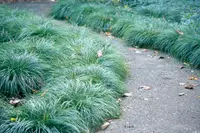
Install a shallow edging or root barrier 10–15 cm deep around beds or pond margins to keep clumps tidy and prevent the sedge from slowly creeping into adjacent planting areas.

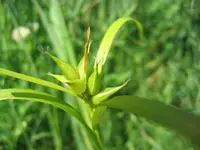
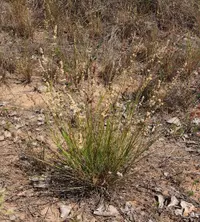
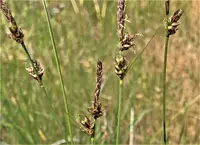
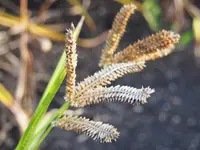
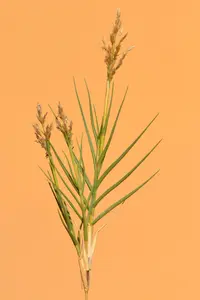
Greater bladder sedge, Carex intumescens, is a clump-forming perennial sedge native to moist woodlands, streambanks, and wetlands across eastern North America. It has bright green, grass-like leaves and distinctive inflated seed spikes that give the plant its common name.
This species typically stays low and forms loose tufts, spreading slowly rather than aggressively. It is valued in naturalistic plantings, rain gardens, and shaded edges where consistent moisture is available.
The plant is generally undemanding once established, which makes it relatively simple to care for greater bladder sedge in suitable conditions. It prefers partial shade, damp to wet soils, and places where the soil does not dry out for long periods.

Care Difficulty
Easy Care

Light Preference
Partial Shade

Water Requirements
Keep Soil Moist

Temperature Preference
Cold Hardy

Hardiness Zone
3–8

Soil Texture
Loamy, Silty, Organic-rich

Soil pH
Acidic (5.5–6.5), Slightly acidic (6.5–7.0)

Soil Drainage
Waterlogged tolerant

Fertilization
Minimal (feed rarely)
Scan your plant to receive care tips personalized for your specific plant
Available on iOS and Android
This sedge prefers bright conditions with protection from harsh afternoon sun for best growth.
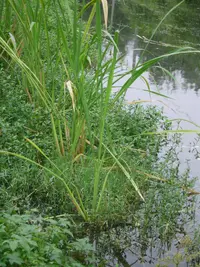
This species naturally grows in wet meadows and ditches, so it prefers consistently moist to saturated soil.
This cool- to mild-climate sedge is hardy and tolerates a wide range of outdoor temperatures.
This wetland sedge prefers consistently moist air but usually adapts to typical outdoor humidity.
This species thrives in consistently moist, organic-rich soil that mimics wet meadow or streamside conditions.
This sedge can grow in containers if moisture is managed carefully.
This native sedge needs only modest feeding, especially in rich or wet soils.
Pruning Carex intumescens is minimal and mainly focused on cleanliness and maintaining a neat clump.
This sedge is more often transplanted in the garden than grown long-term in containers.
Propagation of this sedge is most reliable through division, with seed used mainly for larger or naturalized plantings.
This hardy native sedge generally requires little special winter care in most temperate climates.

Plant Health Check
Not sure what's wrong with your plant? Check your plant's health inside the app.
This species is named for its strongly inflated perigynia, the sac-like structures that enclose each female flower and fruit, which appear noticeably puffed compared with many other sedges.
It is naturally common in moist, partly shaded habitats such as forested wetlands and streamside woods, where it forms clumps that tolerate lower light than many other wetland graminoids.
Its dense clumps and arching leaves provide shelter for small amphibians and invertebrates in wet woods, and the seeds are eaten by various wetland birds and small mammals.

Carex intumescens shows a strong preference for acidic, nutrient-poor substrates and can be used by botanists and ecologists as an indicator species for undisturbed, acidic wetland forests and seepage areas.
This species spreads slowly by short rhizomes and self‑seeding, forming loose clumps rather than dense mats. It usually does not become aggressive, but in consistently wet, fertile sites it may gradually expand beyond the original planting area.
Keep your plants happy and healthy with plant identification, disease detection, and easy care guidance.